


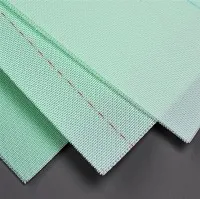

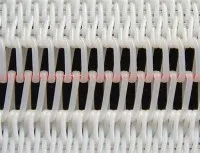

Polyester Plain Woven Mesh Belt
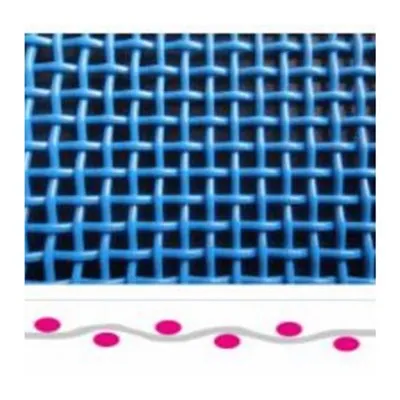
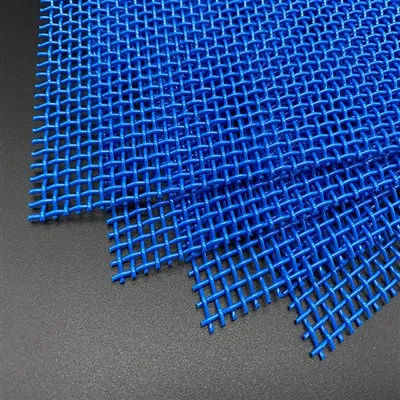
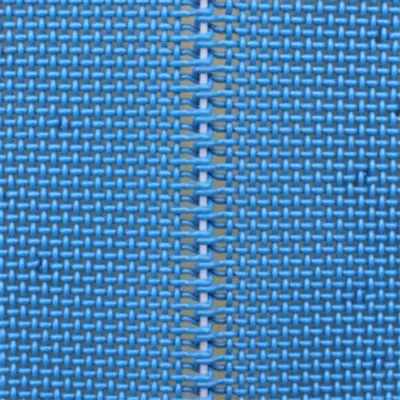
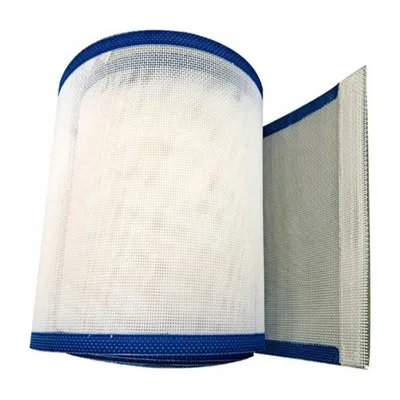
Polyester plain weave mesh fabrics are also called linear screen cloth, polyester mesh conveyor belts, and polyester monofilament process conveyor belting. The weaving pattern is 2-shed and 3-shed available in various meshes, caliper, GSM and air permeability for different applications.







Benefits of Polyester Plain Woven Mesh Belt
Chemical Resistance
Polyester has good resistance to a variety of chemicals, making it suitable for environments where the belt may come into contact with acids, alkalis, and other corrosive substances.
Temperature Tolerance
Polyester belts are capable of withstanding high temperatures, allowing them to be used in processes that involve heat treatment or drying without deforming.
Strength and Durability
The interwoven structure of polyester mesh provides strength and durability, enabling the belt to handle heavy loads and resist abrasion over an extended service life.
Lightweight
Polyester belts are lightweight, which can reduce the load on drive components and simplify handling during maintenance or replacement.
Easy Maintenance
The open weave of the mesh allows for easy cleaning and inspection, facilitating maintenance and reducing downtime.
Reduced Static
Compared to other materials like PVC, polyester generates less static buildup, which can be beneficial in certain processes where static charge might be problematic.
Flexibility
Polyester belts are flexible, which allows for easier installation and alignment on the conveyor system. This flexibility also contributes to the belt's longevity by reducing stress points.
Customizability
Polyester belts can be manufactured in various widths, lengths, and mesh sizes to meet specific application requirements. They can also be reinforced with additional materials to enhance their performance under heavy loads or stress.
Non-Adherence
The smooth surface of polyester mesh minimizes particle adherence, which is particularly important in food processing, pharmaceutical, and other industries where cleanliness and purity are paramount.
Why Choose Us
Customer Service
We earn your respect by delivering on time and on budget. We built our reputation on exceptional customer service. Discover the difference it makes.
Competitive Pricing
We offer competitive pricing for our services without compromising on quality. Our prices are transparent, and we do not believe in hidden charges or fees.
One-Stop Service
We promise to provide you with the fastest reply, the best price, the best quality, and the most complete after-sales service.
Quality Assurance
We have a rigorous quality assurance process in place to ensure that all our services meet the highest standards of quality. Our team of quality analysts checks each project thoroughly before it is delivered to the client.
Customer Satisfaction
We are committed to delivering high quality services that exceed our clients' expectations. We strive to ensure that our clients are satisfied with our services and work closely with them to ensure their needs are met.
State-of-the-art Technology
We use the latest technology and tools to deliver high quality services. Our team is well-versed in the latest trends and advancements in technology and uses them to provide the best results.
How do you determine the appropriate width of a mesh belt for a specific application
Determining the appropriate width of a mesh belt for a specific application involves considering several factors related to the process, machinery, and the product being conveyed.
Process Space
Measure the available space within the conveying system. The belt width should be able to fit comfortably within the confines of the process without causing interference with machinery parts, guards, or other structures.
Production Requirements
Assess the production line's throughput needs. If the application involves carrying heavy or bulky items, a wider belt may be necessary to distribute the weight evenly and prevent sagging.
Product Size and Configuration
Consider the size and configuration of the product(s) being conveyed. Ensure that the product fits on the belt without hanging over the edges, which could cause jamming or damage to the product.
Machine Components
Check the specifications of any drive or return rollers, side guides, and other components that come into contact with the belt. The width must be compatible with these elements to allow for smooth operation.
Accessories and Tools
If additional tools or accessories, such as spray bars, sensors, or inspection devices, are used along the belt, they should be factored into the width selection to ensure adequate clearance.
Clearance Zones
Determine the required clearance zones on either side of the belt. These areas are necessary for maintenance access, spillage containment, or to accommodate additional equipment.
Safety Regulations
Review any applicable safety regulations that might dictate minimum or maximum clearances around the belt.
Customization Needs
Evaluate any customizations needed for the application, such as special edge configurations, coatings, or reinforcements that could affect the belt width.
Belt Suppliers
Consult with belt suppliers and manufacturers who can offer recommendations based on standard sizes and the ability to customize widths to meet specific requirements.
Testing and Prototyping
If necessary, create a mock-up or prototype of the conveyor to test different belt widths and observe how they perform within the application.

What Are The Common Materials Used In Making Polyester Plain Woven Mesh Belts Besides Polyester
In addition to pure polyester, several other materials can be incorporated into the construction of polyester plain woven mesh belts to enhance their properties or make them suitable for specific applications. These materials include:
Polyvinyl Chloride (PVC)
PVC can be used alone or in combination with polyester to create belts that are resistant to chemicals and oils. PVC also provides flexibility and durability.
Nylon
Nylon is another synthetic polymer that can be woven into the mesh to improve abrasion resistance and increase the belt's strength. Nylon also offers good resistance to chemicals and heat.
Polyethylene (PE)
Polyethylene is known for its resistance to many chemicals and is often used for belts that need to handle corrosive substances. PE is also lightweight and has a low coefficient of friction.
Polypropylene (PP)
Polypropylene is resistant to moisture, chemicals, and corrosion. It is often used in food processing applications due to its ability to withstand high-pressure cleaning and sanitizing procedures.
Elastomers
Rubber or elastomeric materials can be added to the weave of the belt to enhance flexibility and elasticity. This can be particularly useful for belts that need to stretch or conform to irregular surfaces.
Metallic Fibers
For increased strength and anti-static properties, metallic fibers such as stainless steel or copper can be woven into the belt. These fibers also provide resistance to cutting and tearing.
Anti-Microbial Treatments
Belts can be treated with anti-microbial agents to inhibit the growth of bacteria, mold, and fungus, which is especially important in food processing and pharmaceutical industries.
Coatings
Various coatings can be applied to the surface of the belt to provide additional benefits such as easier cleaning, oil or water resistance, or enhanced durability. Common coating materials include PTFE (Teflon), silicone, and urethanes.
Can Polyester Plain Woven Mesh Belts Be Customized To Specific Sizes And Shapes
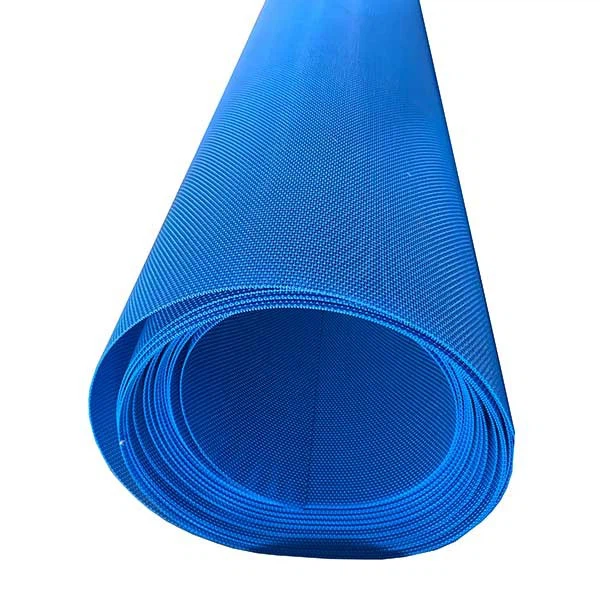
Width And Length: The width and length of the mesh belt can be tailored to fit the dimensions of the equipment or conveyors it will be used on.
Mesh Size: The size of the mesh openings can be adjusted to accommodate the desired filtration or separation capabilities. Smaller mesh sizes are used for finer filtration, while larger mesh sizes allow for higher throughput.
Shape: The mesh belt can be cut or fabricated into various shapes, such as rectangles, circles, or irregular shapes, to fit specific equipment or application needs.
Edge Finishes: The edges of the mesh belt can be finished with different treatments, such as hemmed, sewn, or welded, to provide added strength and durability.
Additions And Modifications: Customized features such as guide rails, side guards, or other attachments can be added to the mesh belt to enhance its performance or functionality.
What Is The Typical Tensile Strength Of A Polyester Plain Woven Mesh Belt
The typical tensile strength of a polyester plain woven mesh belt can vary depending on factors such as the diameter and properties of the polyester fibers used, the weave pattern, and the treatment or finishes applied to the belt. However, as an approximate guideline, the tensile strength of a polyester plain woven mesh belt is typically in the range of 200 to 600 N/cm (newtons per centimeter).It's important to note that the tensile strength can vary depending on the specific application and the manufacturer. Different grades or types of polyester fibers may have different tensile strengths, and the weave pattern and any additional treatments or finishes can also affect the overall strength of the belt. If you need more specific information about the tensile strength of a particular polyester plain woven mesh belt for your application, it's recommended to consult the manufacturer or supplier directly. They can provide you with the exact specifications and performance characteristics of their products.
How Does The Thickness Of The Polyester Fibers Affect The Durability Of The Mesh Belt
Thicker fibers generally tend to be stronger and more rigid, which can make the mesh belt more resistant to stretching, tearing, and abrasion. This can lead to increased durability and a longer lifespan.
Thicker fibers may offer better resistance to wear and abrasion, reducing the likelihood of the mesh belt being damaged over time. This is especially important in applications where the belt comes into contact with rough or abrasive materials.
Thicker fibers can contribute to higher tensile strength, allowing the mesh belt to withstand greater forces without breaking or deforming.
In applications where the mesh belt needs to carry heavy loads, thicker fibers may provide better support and resistance to deformation.
Thicker fibers might be more resistant to degradation from exposure to elements like sunlight, moisture, and temperature extremes, enhancing the durability of the mesh belt in outdoor or harsh environments.

Moisture Resistance
Polyester is generally moisture-resistant, making it suitable for handling wet materials. However, the resistance level may vary depending on the specific formulation of the polyester and any additional coatings or treatments applied to the belt.
Drainage And Ventilation
For wet materials, it's important to ensure proper drainage and ventilation to prevent moisture buildup on the belt. This can help prevent the growth of mold or mildew and maintain the integrity of the belt.
Cleaning And Maintenance
When handling wet materials, proper cleaning and maintenance of the mesh belt are crucial to remove any debris or residue that could clog the mesh or affect its performance.
Chemical Compatibility
If the materials being handled are corrosive or come into contact with chemicals, it's important to ensure that the polyester mesh belt is compatible with those substances to avoid degradation or damage.
Material Properties
The characteristics of the materials being transported, such as their weight, size, and abrasiveness, can also influence the suitability of the mesh belt for both dry and wet applications.
Are there any special storage requirements for polyester plain woven mesh belts
Clean and dry environment
Store the mesh belts in a clean and dry area to prevent dirt, moisture, or other contaminants from accumulating on them. Moisture can cause rust or corrosion, while dirt and debris can clog the mesh.
Avoid direct sunlight
Excessive exposure to sunlight can cause the polyester to degrade over time, so it's best to store the belts in a shaded or protected area.
Regular Inspection
Periodically inspect the mesh belts for any signs of damage, such as fraying, tears, or loose stitching. Address any issues promptly to prevent further deterioration.
Protect from mechanical damage
Avoid stacking heavy objects on top of the mesh belts or subjecting them to excessive pressure, as this can lead to deformation or tears.
Protect from chemicals
Keep the belts away from chemicals that may react with the polyester or cause damage. This includes substances like acids, bases, and solvents.
Flat Storage
When storing the mesh belts, lay them flat to prevent any distortion or damage to the weave. This will also make it easier to handle and use them when needed.
Can Polyester Plain Woven Mesh Belts Be Used In Automated Processes
Strength and durability: Polyester plain woven mesh belts are known for their strength and durability, which is important in automated processes where the belt may be subjected to continuous operation and stress.
Versatility: These belts come in different sizes, mesh sizes, and configurations, allowing them to be tailored to the specific requirements of the automated system.
Easy to install and maintain: They are relatively easy to install and replace, which is beneficial in automated setups where downtime needs to be minimized.
Conveyor applications: Polyester plain woven mesh belts can be used as conveyor belts in automated production lines, enabling the transport of various materials, products, or components.
Suitable for screening and filtering: In automated processes involving sorting, screening, or filtering, these belts can be employed to separate different particles or substances.
Compatibility with sensors and other equipment: The open mesh structure allows for the integration of sensors, detectors, or other automated equipment for monitoring and control purposes.
Flexibility: They can bend and navigate around corners or complex geometries, making them suitable for applications with changing or non-linear paths.
Can polyester plain woven mesh belts be used in explosive or flammable environments
Polyester plain woven mesh belts are generally considered safe for use in many environments, including those with combustible materials, because polyester has a relatively high ignition temperature compared to some other materials. However, the suitability of polyester mesh belts for use in explosive or flammable environments depends on several factors:
Certifications and Standards
It is crucial that the belt material meets specific certifications and standards designed for hazardous locations, such as ATEX or IECEx in Europe, or UL in North America. These standards ensure that equipment will not contribute to the ignition of an explosive atmosphere.
Temperature Resistance
Polyester can degrade when exposed to high temperatures over extended periods. The maximum service temperature of the belt must be above the ambient temperatures of the explosive environment to prevent degradation that might compromise safety.

Static Electricity
In environments with flammable vapors or dust, materials that generate static electricity can pose a hazard. Polyester mesh belts should have antistatic treatments or coatings to mitigate this risk.
Prevention of Sparking
Any metal components in contact with the belt should be inert or non-sparking materials to prevent the generation of hot sparks that could ignite flammable substances.
Cleanliness
The belt must be kept clean to prevent the accumulation of dust or other particulates that could act as fuel in a fire or explosion.
Regular Maintenance
The belt should be inspected regularly for signs of wear, damage, or degradation that could affect its safety in hazardous environments.
Yes, there are several methods for repairing or patching small tears or damage to the mesh belt. Here are some common approaches:
Sewing Or Stitching
Use a strong thread and a sewing needle to stitch the torn edges of the mesh belt together. This can help prevent further tearing and extend the lifespan of the belt.
Heat Sealing
In some cases, a heat sealer or hot melt adhesive can be used to seal small tears. Apply the heat or adhesive to the torn area, pressing the edges together to create a bond.
Mesh patches
You can cut a small piece of similar or compatible mesh and use it as a patch. Place the patch over the torn area and secure it with sewing, glue, or other fastening methods.
Reinforcement tape
Specialized reinforcement tapes designed for mesh materials can be applied to the torn area. These tapes provide additional strength and durability.
Professional repair services
If the damage is significant or you're not confident in doing the repair yourself, consider reaching out to a professional repair service or the manufacturer for their recommendations.
Can The Mesh Belt Be Resistant To Uv Radiation
Yes, polyester plain woven mesh belts can be treated or coated to resist UV radiation. UV resistance is important, especially when the belts are used outdoors or in applications exposed to sunlight. Here are some common methods for imparting UV resistance to polyester plain woven mesh belts:
UV Coatings
Specialized UV-resistant coatings can be applied to the surface of the mesh belt. These coatings act as a barrier, protecting the polyester from the harmful effects of UV radiation. They can help prevent fading, cracking, and deterioration caused by prolonged exposure to sunlight.
UV-resistant Fibers
Some polyester fibers are inherently UV-resistant, thanks to their chemical composition or special treatments. Using these fibers in the manufacturing of the mesh belt can enhance its resistance to UV radiation.
UV Stabilizers
During the manufacturing process, UV stabilizers can be added to the polyester resin. These stabilizers help absorb and neutralize the UV radiation, reducing its impact on the material.
UV-blocking Additives
UV-blocking additives can be incorporated into the polyester during production. These additives absorb or reflect UV radiation, protecting the material from its harmful effects.
Aluminum polyester foils are indeed suitable for use in automated processes across various industries. Their flexibility, durability, and ability to be precisely cut and shaped make them compatible with automated assembly lines and machinery. In the packaging industry, for example, aluminum foils are often roll-fed into automated packaging machines for the production of pouches, sachets, and other forms of packaging.
In the electronics sector, foils can be used in the automated production of flexible circuits and shielding materials, where they are cut and assembled into components using automated pick-and-place systems. Similarly, in the construction industry, aluminum foils can be integrated into automated processes for manufacturing insulated panels and building materials.
The compatibility with automation extends to the foils' handling and processing characteristics. They can be easily integrated into robotic arms and automated dispensing systems for application in continuous manufacturing processes. Furthermore, their resistance to environmental factors allows for reliable operation within automated systems, ensuring consistent product quality.
To maximize efficiency in automated processes, aluminum polyester foils are often provided in large, rolled formats that can be stored and fed directly into automated machinery, reducing downtime and labor costs associated with manual handling. Additionally, their compatibility with modern adhesives and coatings enables the foils to be integrated with other materials in automated lamination and coating processes.
In summary, the adaptability and physical properties of aluminum polyester foils make them well-suited for incorporation into automated processes across multiple industrial sectors, enhancing productivity and reducing production costs.
Our Factory
The company is a professional paper mesh and industrial mesh manufacturing enterprises, with domestic and international world advanced level of paper mesh, industrial mesh complete sets of production equipment and technology. We has 3 sets of Swedish TEXO 12.5 meters loom, four warp beam heavy duty loom, Swedish TEXO warping machine, Norwegian 13.5 meters hot air sizing machine, Austrian automatic inserting and joining machine, American Nordson brushing and gluing machine, Swiss Lippo permeability tester and other advanced equipment and testing instruments. Our products are exported to many countries, such as Russia, France, Portugal, India, Pakistan, Iran, Turkey, Thailand, Indonesia and so on.


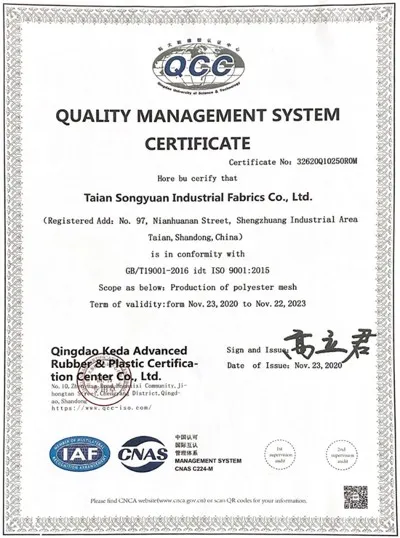
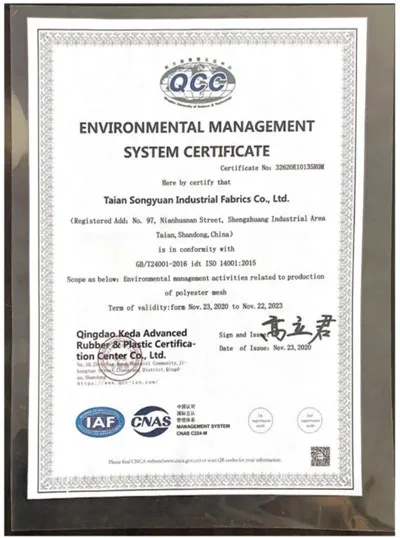
Our Certificate

FAQ
Q: What is a polyester plain woven mesh belt?
Q: What are the characteristics of polyester plain woven mesh belts?
Q: What are the common applications of polyester plain woven mesh belts?
Q: How do I choose the right polyester plain woven mesh belt for my application?
Q: Can polyester plain woven mesh belts be customized?
Q: Are polyester plain woven mesh belts easy to clean?
Q: What are the benefits of using polyester plain woven mesh belts?
Q: Can polyester plain woven mesh belts handle wet materials?
Q: Are there different types of weave patterns available?
Q: How do I install a polyester plain woven mesh belt?
Q: Can I repair small tears or damage to the belt?
Q: Are polyester plain woven mesh belts fire-resistant?
Q: How do I store polyester plain woven mesh belts?
Q: What are the limitations of polyester plain woven mesh belts?
Q: Can they be used in automated processes?
Q: Are there any special considerations for food-grade applications?
Q: How do I maintain and clean the belts?
Q: Can I use polyester plain woven mesh belts in high-temperature environments?
Q: Are there any environmental benefits of using polyester plain woven mesh belts?
Q: Can I get samples to test the belt before purchasing?