


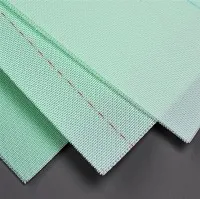

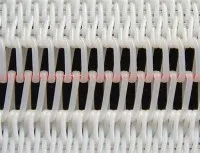

Woven Dryer Screen
"Woven dryer screen" typically refers to a type of screen or mesh used in drying processes, particularly in industrial or commercial applications. It is usually made by weaving wires or fibers together to form a mesh or fabric-like structure.
The main purpose of a woven dryer screen is to allow air or other drying medium to pass through while retaining the material being dried. The screen acts as a barrier, preventing the material from falling through or being lost during the drying process. It also helps to evenly distribute the heat or airflow, promoting efficient drying.


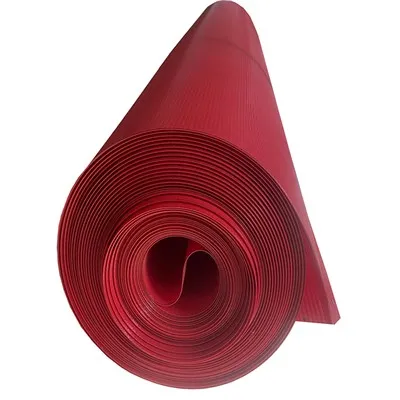

Benefits of Woven Dryer Screen
Improved Heat Transfer
Woven dryer screens allow for better heat distribution within the drying chamber, ensuring that materials are uniformly dried. This results in improved product quality and consistency.
Enhanced Ventilation
The screen’s open weave pattern facilitates airflow, helping to remove moisture more effectively. This can lead to shorter drying times and increased throughput.
Reduced Product Damage
By providing a gentle surface upon which materials tumble, woven dryer screens minimize the risk of product degradation or breakage during the drying process, particularly for fragile items.
Easy Cleaning
The mesh design allows for easy removal of particulates that might otherwise accumulate on the screen. This simplifies maintenance procedures and extends the life of the dryer screen.
Versatility
Woven dryer screens are available in various mesh sizes and materials, allowing them to be customized for different types of materials and drying processes.
Replacement Ease
When dryer screens become worn or damaged, they can be replaced without the need to replace the entire drying unit, reducing downtime and maintenance costs.
Cost-Effectiveness
Compared to solid drying surfaces, woven dryer screens often represent a more cost-effective solution due to their durability and longevity.
Customization Options
Depending on the application, dryer screens can be cut to fit specific dryer sizes or manufactured with perforations or other modifications to optimize drying outcomes.
Compatibility with Various Dryers
They are compatible with a wide range of dryer types, including rotary, fluid bed, flash, and others, making them a versatile component across different drying technologies.
Why Choose Us
Customer Service
We earn your respect by delivering on time and on budget. We built our reputation on exceptional customer service. Discover the difference it makes.
Competitive Pricing
We offer competitive pricing for our services without compromising on quality. Our prices are transparent, and we do not believe in hidden charges or fees.
One-Stop Service
We promise to provide you with the fastest reply, the best price, the best quality, and the most complete after-sales service.
Quality Assurance
We have a rigorous quality assurance process in place to ensure that all our services meet the highest standards of quality. Our team of quality analysts checks each project thoroughly before it is delivered to the client.
Customer Satisfaction
We are committed to delivering high quality services that exceed our clients' expectations. We strive to ensure that our clients are satisfied with our services and work closely with them to ensure their needs are met.
State-of-the-art Technology
We use the latest technology and tools to deliver high quality services. Our team is well-versed in the latest trends and advancements in technology and uses them to provide the best results.
What Is The Purpose Of A Woven Dryer Screen
The purpose of a woven dryer screen is to support and dry the material while allowing the passage of air or other drying medium. It acts as a barrier, preventing the material from falling through or being lost during the drying process. Additionally, the screen helps to evenly distribute the heat or airflow, promoting efficient drying. The properties of the woven dryer screen, such as mesh size, wire diameter, and weave pattern, can be customized to suit the specific requirements of the material being dried and the desired outcome of the drying process.
How is a woven dryer screen manufactured

Selection of materials
High-quality wires or fibers are chosen based on the specific application and requirements. Common materials include stainless steel, polyester, or nylon.

Weaving process
The selected wires or fibers are woven together using weaving machinery to create a mesh or fabric-like structure. The weave pattern and tightness can be adjusted to control the screen's properties.

Finishing touches
After weaving, the screen may undergo additional processes such as heat treatment, coating, or calendering to enhance its durability, resistance to corrosion, or other desired characteristics.

Quality control
The finished screens are inspected to ensure they meet the required specifications, including mesh size, strength, and dimensional accuracy.
What Materials Are Commonly Used To Make Woven Dryer Screens
Common materials used to make woven dryer screens include:
Stainless Steel: Known for its durability, corrosion resistance, and high temperature tolerance.
Polyester: Offers good strength and resistance to chemicals and abrasion.
Nylon: Provides flexibility and durability, often used in applications where resistance to stretching is important.
Monofilament Wires: Made from materials like polyester or polypropylene, these wires are single strands that can be woven into screens.
High-temperature Resistant Fibers: Specialty fibers designed to withstand extreme temperatures, often used in high-temperature drying processes.The choice of material depends on factors such as the nature of the material being dried, the operating conditions of the dryer, and the required durability and performance of the screen. Manufacturers often select materials that can withstand the heat, moisture, and mechanical stress of the drying process while providing efficient air passage and particle retention.
What Are The Different Types Of Weave Patterns Available For Woven Dryer Screens
This is the simplest and most common weave pattern, involving at right angles. It offers good stability and strength, making it suitable for general-purpose applications.
In this pattern, the warp (vertical) wires are woven over and under two or more weft (horizontal) wires at a regular interval. Twill weaves provide increased stability and durability, making them ideal for heavy-duty applications.
Also known as reverse plain weave, this pattern involves in an alternating over-under pattern. Dutch weaves offer enhanced porosity and air passage, making them suitable for applications where efficient drying is crucial.
This pattern creates a smooth and lustrous surface by having the warp wires float over multiple weft wires. Satin weaves are often used for applications where a high level of filtration is required, as they provide good particle retention.
This is a combination of Dutch and plain weaves, offering the benefits of both patterns. Double Dutch weaves provide excellent stability, porosity, and air passage, making them suitable for demanding applications.

Particle Retention
A smaller mesh size allows for finer particles to be retained, while a larger mesh size lets larger particles pass through. The right mesh size depends on the size of the material being dried and the desired level of separation.
Airflow And Drying Efficiency
A smaller mesh size restricts air passage, potentially reducing the drying efficiency. Larger mesh sizes allow more air to flow through, which can enhance the drying process.
Filterability
The mesh size determines the screen's ability to filter out impurities or unwanted particles. A smaller mesh size provides better filtration, but may also clog more easily.
Durability
Smaller mesh sizes are generally more delicate and prone to damage or wear. Larger mesh sizes can be more robust, but may not offer the same level of particle retention.
Material Handling And Throughput
The mesh size can affect the speed at which the material can be processed through the dryer. A larger mesh size may enable higher throughput, but could sacrifice some particle separation.
Can Woven Dryer Screens Be Customized To Specific Sizes And Shapes
Absolutely! Woven dryer screens can often be customized to specific sizes and shapes to meet the unique requirements of different applications. This customization allows for a better fit and compatibility with the drying equipment or process.Manufacturers typically offer the option to tailor the screens to various dimensions, including length, width, and thickness. They can also create screens with irregular shapes or cutouts to accommodate specific design constraints.In addition to size, other customization options may include choosing different materials, mesh sizes, weave patterns, and finishes. This enables users to optimize the performance and functionality of the woven dryer screens for their specific needs.Customization is especially valuable in cases where standard-sized screens don't meet the exact requirements or when working with specialized equipment or processes. It ensures a seamless integration and maximum efficiency in the drying operation.If you have specific size or shape requirements for your woven dryer screens, it's best to communicate those details to the manufacturer or supplier. They will be able to provide guidance on the feasibility of customization and offer solutions that best meet your needs. Let me know if you have any more questions or if there's anything else related to woven dryer screens that you'd like to discuss.
Are There Standard Sizes Available For Woven Dryer Screens
Yes, there are standard sizes available for woven dryer screens to accommodate common equipment and applications. These standard sizes are typically based on industry norms and provide a starting point for users who don't require customized dimensions.Common standard sizes for woven dryer screens include:
Width: 12", 24", 36", 48", 60", etc.
Length: 12", 24", 36", 48", 60", etc.
Thickness: 0.010", 0.015", 0.020", 0.025", etc.These standard sizes are widely used and can be found in most commercial applications. However, it's important to note that specific equipment or processes may have their own unique size requirements, and in those cases, custom-sized screens may be necessary.
What Factors Should Be Considered When Selecting A Woven Dryer Screen
Material Being Dried: The properties of the material, such as size, shape, and moisture content, will affect the choice of screen. Consider the particle size, vulnerability to damage, and any specific drying requirements.
Mesh Size: Decide on the appropriate mesh size based on the desired particle retention and filtration efficiency. Smaller mesh sizes retain finer particles, while larger sizes allow for higher throughput.
Durability And Corrosion Resistance: Choose a screen material that can withstand the operating conditions, including temperature, moisture, and potential exposure to chemicals or corrosive substances.
Weave Pattern: Weave Pattern: eave pattern based on factors like stability, porosity, and filtration performance. Different patterns offer varying levels of strength and air passage.
Compatibility With The Dryer Equipment: Ensure the screen dimensions and attachment methods are compatible with your specific dryer model.
Cleaning And Maintenance Considerations: Look for screens that are easy to clean and maintain, as dirty screens can affect performance.
Cost And Availability: Cost And Availability: e screen with its quality and performance. Consider availability and lead times for replacement screens.
Can Woven Dryer Screens Be Cleaned And Reused
Yes, woven dryer screens can typically be cleaned and reused, depending on the specific screen material and the cleaning methods used. Proper cleaning helps extend the lifespan of the screens and maintains their performance.The cleaning process may involve the following steps:
Removal From The Dryer
Safely remove the screens from the dryer to access all surfaces for cleaning.
Manual Cleaning
Use a brush, air hose, or other suitable tools to remove loose debris, dust, or particles from the screen surface.
Cleaning Solutions
Depending on the screen material and contaminants, you may use mild detergents, solvents, or specialized cleaning agents. Follow the manufacturer's recommendations.
Rinsing And Drying
Thoroughly rinse the screens with water to remove any cleaning solution residue and allow them to dry completely before reinstallation.
Woven dryer screens can sometimes be repaired if damaged, depending on the extent and nature of the damage. Here are some common repair methods:
Patching
For small holes or tears, a patch can be applied using similar or compatible material. The patch should be securely attached to the screen using appropriate adhesive or sewing methods.
Welding Or Soldering
In some cases, damaged areas can be welded or soldered, especially if the screen is made of Metal. This requires specialized skills and equipment.
Reinforcement
If the screen has started to weaken or develop cracks, additional reinforcement may be added. This can involve attaching supporting structures or using additional layers of material.
Replacement Of Sections
If the damage is localized, it may be possible to replace only the damaged sections rather than the entire screen. This can be more cost-effective.

Are There Any Cost-effective Alternatives To Woven Dryer Screens
Perforated Metal Sheets: These are sheets of metal with perforations or holes, allowing air to pass through. They offer durability and can be more cost-effective than woven screens in some cases.
Wire Mesh Screens: These screens are made of wire braid or welded together to form a mesh. They provide good strength and air passage, and can be more affordable than woven screens.
Filter Bags: Filter bags are made of various materials, such as polyester or nylon, and can be used in some drying applications. They are relatively inexpensive and easy to replace.
Plastic Mesh Screens: These screens are made of plastic materials and offer durability and resistance to corrosion. They can be a cost-effective alternative in certain applications.
Screen Liners: Instead of replacing the entire woven dryer screen, screen liners can be used. These liners are placed inside the dryer to protect the screen and can be replaced when worn or damaged.
How Do I Maintain A Woven Dryer Screen
Regular Cleaning
Clean the screen regularly to remove any accumulated debris or particles. Use appropriate cleaning methods, such as air blowing, brushing, or washing, depending on the screen material.
Inspection
Periodically inspect the screen for any signs of damage, tears, or loose wires. Address any issues promptly to prevent further deterioration.
Follow Manufacturer's Guidelines
Refer to the manufacturer's recommendations for specific maintenance instructions and any recommended cleaning agents or procedures.
Store Properly
When not in use, store the screen in a clean and dry environment to prevent corrosion or damage.
Avoid Excessive Force
Handle the screen with care to avoid applying excessive force that could lead to damage.
Replace Damaged Screens
If a screen is damaged beyond repair, replace it promptly to ensure optimal performance.
How do I install a woven dryer screen
Prepare The Dryer
Ensure the dryer is turned off and unplugged before starting the installation. Clean the area where the screen will be placed.
Remove The Old Screen (if Applicable)
If replacing an existing screen, remove it carefully according to the manufacturer's instructions.
Check The New Screen
Inspect the new woven dryer screen for any damages or defects. Make sure it matches the size and specifications of your dryer.
Align And Position The Screen
Place the screen in the correct position within the dryer. Refer to the dryer manual or manufacturer's guidelines for the exact placement.
Secure The Screen
Use the provided mounting hardware or fasteners to secure the screen in place. Make sure it is firmly attached.
Test The Installation
Once the screen is installed, turn on the dryer and run a test cycle to ensure it functions properly and there are no leaks or issues.
How Do I Dispose Of A Worn-out Woven Dryer Screen
Disposing of a worn-out woven dryer screen involves several steps to ensure it's handled correctly for environmental protection. Here's how you can proceed:
Check for Recycling Options: Before disposing of the dryer screen, check with local recycling centers or waste management services to see if they accept textiles or fabrics for recycling. Some areas have textile recycling programs that can repurpose the material into new products.
Remove Any Attachments: If the dryer screen had any metal frames or clasps, remove them. Metal components can often be recycled separately.
Proper Disposal: If the dryer screen cannot be recycled, dispose of it with your regular household trash. Make sure it's in a bag to prevent any loose fibers from contaminating the environment.
Consider Reuse: Before throwing away the dryer screen, consider if any part of it can be reused. Sometimes, the mesh can be salvaged for other uses around the home, like organizing small items or crafting projects.
Responsible Recycling: If you've determined that the dryer screen cannot be recycled or reused, try to find a responsible way to dispose of it. Avoid flushing any parts down the toilet or throwing them in the garbage disposal, as this can cause blockages in plumbing systems.
Environmental Impact Awareness: Be aware that textiles contribute to landfill waste, so try to minimize textile disposal by repairing or replacing only when necessary. Consider donating usable items to charity or secondhand shops to extend their life cycle.
Local Regulations: Lastly, always follow local regulations regarding the disposal of household items. Different regions may have specific guidelines or restrictions on how to dispose of textiles and other materials.
Air Flow and Efficiency
Woven screens provide good air passage, allowing for efficient drying. They can help distribute heat and moisture evenly, promoting faster drying times.
Particle Separation
Screens with appropriate mesh sizes can separate different-sized particles, allowing for more controlled drying and potential material sorting.
Durability
Well-made woven screens are often durable and can withstand the rigors of the drying process, requiring less frequent replacement.
Cost
In some cases, woven screens can be a cost-effective option, especially when considering their longevity and efficiency.
Compatibility
They are compatible with a wide range of dryer equipment and can be customized to fit specific applications.
Our Factory
The company is a professional paper mesh and industrial mesh manufacturing enterprises, with domestic and international world advanced level of paper mesh, industrial mesh complete sets of production equipment and technology. We has 3 sets of Swedish TEXO 12.5 meters loom, four warp beam heavy duty loom, Swedish TEXO warping machine, Norwegian 13.5 meters hot air sizing machine, Austrian automatic inserting and joining machine, American Nordson brushing and gluing machine, Swiss Lippo permeability tester and other advanced equipment and testing instruments. Our products are exported to many countries, such as Russia, France, Portugal, India, Pakistan, Iran, Turkey, Thailand, Indonesia and so on.


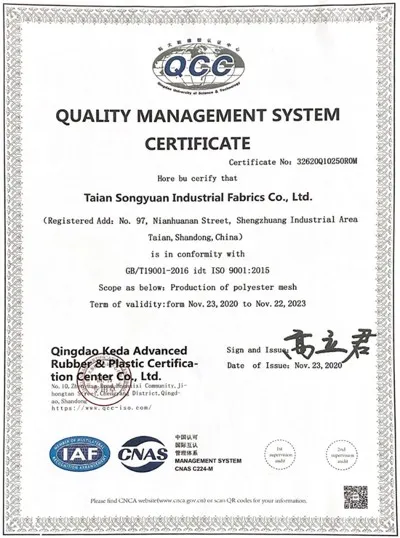
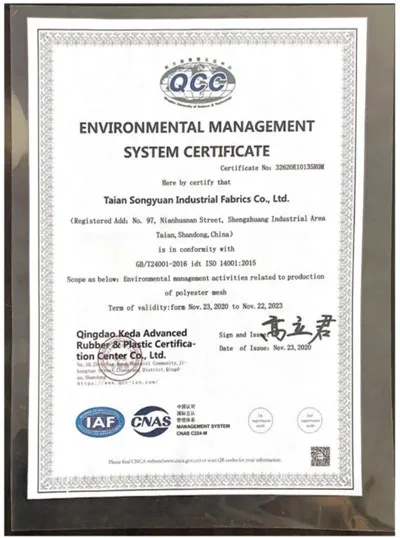
Our Certificate

FAQ
Q: What is a woven dryer screen?
Q: How is a woven dryer screen made?
Q: What materials are used to make woven dryer screens?
Q: What are the different types of woven dryer screens?
Q: How do I choose the right woven dryer screen for my application?
Q: What is the typical lifespan of a woven dryer screen?
Q: How do I maintain a woven dryer screen?
Q: Can woven dryer screens be repaired?
Q: How do I install a woven dryer screen?
Q: Are woven dryer screens reusable?
Q: What happens if a woven dryer screen fails?
Q: How do I dispose of a worn-out woven dryer screen?
Q: What are some common applications for woven dryer screens?
Q: Can woven dryer screens be customized?
Q: Are woven dryer screens expensive?
Q: Do woven dryer screens come with warranties?
Q: How do woven dryer screens compare to other drying media?
Q: Can woven dryer screens be used in high-temperature environments?
Q: What are some tips for troubleshooting woven dryer screen issues?
Q: Where can I find more information about woven dryer screens?