


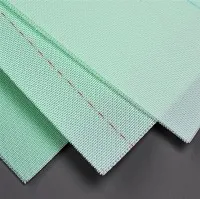

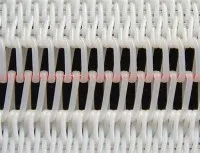

Polyester Vacuum Filter Belt
Polyester Vacuum Filter Belt is a type of industrial filtration media made from polyester fibers. It is commonly used in vacuum filtration systems to remove solid particles and liquids from gas or liquid streams.The Polyester Vacuum Filter Belt is constructed by weaving or knitting polyester fibers into a fabric-like structure. The fabric is then coated or impregnated with a resin or other binding agent to enhance its filtration properties and durability.


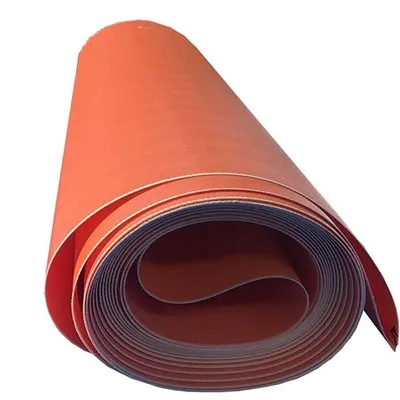


Benefits of Polyester Vacuum Filter Belt
High Strength and Durability
Polyester fabric is known for its strength and resistance to abrasion, making it suitable for continuous operation under demanding conditions.
Chemical Resistance
Polyester resists degradation from a wide range of chemicals, which is crucial in environments where strong acids, bases, or solvents are used.
Temperature Resistance
Polyester has a high melting point, allowing it to operate at elevated temperatures without compromising its integrity.
Low Surface Energy
The low surface energy of polyester reduces the adhesion of particulates, facilitating easier cleaning and maintenance between filtration cycles.
Consistent Filtration Performance
The uniformity of the polyester fabric ensures consistent filtration across the entire surface area of the belt, providing reliable particle retention.
Efficient Filtration
When used in combination with a vacuum system, the polyester belt can achieve efficient solid-liquid separation due to the vacuum's ability to draw liquid through the fabric.
Reusability
Depending on the application, the polyester belt may be reusable after cleaning, reducing the need for frequent replacements and lowering operational costs.
Reduced Waste
As the belts can be cleaned and reused, they contribute to reduced waste generation compared to single-use filtration media.
Easy Integration
Polyester vacuum filter belts can be easily integrated into existing filtration systems, offering a straightforward upgrade path for improved performance.
Why Choose Us
Customer Service
We earn your respect by delivering on time and on budget. We built our reputation on exceptional customer service. Discover the difference it makes.
Competitive Pricing
We offer competitive pricing for our services without compromising on quality. Our prices are transparent, and we do not believe in hidden charges or fees.
One-Stop Service
We promise to provide you with the fastest reply, the best price, the best quality, and the most complete after-sales service.
Quality Assurance
We have a rigorous quality assurance process in place to ensure that all our services meet the highest standards of quality. Our team of quality analysts checks each project thoroughly before it is delivered to the client.
Customer Satisfaction
We are committed to delivering high quality services that exceed our clients' expectations. We strive to ensure that our clients are satisfied with our services and work closely with them to ensure their needs are met.
State-of-the-art Technology
We use the latest technology and tools to deliver high quality services. Our team is well-versed in the latest trends and advancements in technology and uses them to provide the best results.
The composition of a polyester vacuum filter belt typically includes polyester fibers and a resin or other binding agent. The polyester fibers are used to form the fabric-like structure of the filter belt, while the binding agent is used to enhance the filtration properties and durability of the fabric. The specific composition of the filter belt may vary depending on the manufacturer and the application, but in general, the filter belt will contain a high percentage of polyester fibers. The porosity and thickness of the filter belt can also vary depending on the application, with some filter belts having a higher porosity to trap smaller particles and others having a lower porosity to allow for higher fluid flow rates.
Polyester Fibers Selection: High-quality polyester fibers are chosen as the raw material for the filter belt.
Weaving Or Knitting: Weaving Or Knitting: are woven or knitted together to form the base structure of the filter belt. This can be done using various weaving or knitting techniques to achieve the desired porosity and strength.
Coating Or Impregnation: Coating Or Impregnation: n properties and durability of the filter belt, it may be coated or impregnated with a resin or other binding agent. This step helps to seal the fibers and create a more uniform surface.
Drying: The coated or impregnated filter belt is then dried and possibly undergo a process to ensure the binding agent sets properly.
Quality Control: The finished filter belt undergoes strict quality control checks to ensure it meets the required specifications, such as porosity, tensile strength, and chemical resistance.
Cutting And Packaging: The filter belt is cut to the desired dimensions and packaged for shipping and storage.

What Are The Common Materials Used In Making Polyester Vacuum Filter Belts
Polyester Fibers
Polyester is the main component of the filter belt. It has good tensile strength and durability, making it suitable for use in vacuum filtration applications.
Reinforcing Fibers
To enhance the strength and stability of the filter belt, other reinforcing fibers may be added, such as glass fibers or aramid fibers.
Binding Agents
Binding agents are used to bond the fibers together and ensure the integrity of the filter belt. Common binding agents include resins or polymers.
Additives
Depending on the specific application requirements, various additives may be added to the material to improve properties such as resistance to chemicals, abrasion, or heat.
Surface Treatments
The surface of the filter belt may undergo treatments such as coating or impregnation to enhance its filtration efficiency, dust adhesion resistance, or moisture resistance.
How does the porosity of a polyester vacuum filter belt affect its performance
Filtration Efficiency
A higher porosity allows more fluid or particles to pass through the filter belt, which can improve the filtration efficiency. However, if the porosity is too high, it may also allow smaller particles to pass through, reducing the filtration accuracy.
Flow Rate
The porosity also influences the flow rate of the fluid through the filter belt. A higher porosity generally results in a higher flow rate, but it may come at the expense of filtration efficiency.
Particle Retention
The porosity affects the ability of the filter belt to retain particles. A suitable porosity can trap and hold particles, preventing them from passing through the filter.
Durability
The porosity can affect the durability and lifespan of the filter belt. A filter belt with too high or too low porosity may be more prone to damage or clogging, reducing its service life.
Cleaning Ease
The porosity can also affect the ease of cleaning the filter belt. A filter belt with appropriate porosity may be easier to clean and maintain, allowing for better reuse.
Pressure Drop
The porosity can influence the pressure drop across the filter belt. A higher porosity may result in a lower pressure drop, but it could also lead to a reduction in filtration performance.

Can polyester vacuum filter belts be customized to specific dimensions
Yes, polyester vacuum filter belts can often be customized to specific dimensions to meet the unique requirements of different applications. Customization allows for a better fit and compatibility with the filtration system or equipment being used.When it comes to customizing polyester vacuum filter belts, here are some of the things to consider:
Dimensions
You can specify the width, length, and thickness of the filter belt according to your equipment or process requirements.
Pore size and distribution
The porosity of the filter belt can also be customized to accommodate the size of the particles you need to filter.
Edge finishing
The edges of the filter belt may be finished with different methods, such as sealed, hemmed, or reinforced, to ensure a secure fit and prevent fraying.
Special features
Depending on your application, you may require additional features such as reinforcement patches, gaskets, or markings on the filter belt.
How do I choose the right supplier of polyester vacuum filter belts
Reputation and experience
Look for a supplier with a good reputation in the industry and extensive experience in providing polyester vacuum filter belts. Check reviews and references from other customers to gauge their reliability.
Quality of products
Ensure the supplier offers high-quality filter belts that meet your specific requirements. Consider factors such as material quality, durability, and filtration efficiency.
After-Sales Service
Good suppliers should offer responsive and reliable after-sales service, including warranty, technical assistance, and replacement options if needed.
echnical expertise and support
A supplier with knowledgeable and experienced technical staff can provide valuable advice and support throughout the selection and usage process.
Pricing and availability
Compare the pricing of different suppliers and also consider their availability and lead times to ensure a seamless supply chain.
Customization Options
If you have specific dimensions or other customization needs, make sure the supplier can accommodate them.
Sample availability
Request samples from potential suppliers to evaluate the quality and performance of their products firsthand.
Communication and responsiveness
A supplier who communicates clearly, promptly, and effectively is essential for a successful partnership.
How Often Should I Clean Or Replace The Filter Belt
Operating Conditions: Operating Conditions: f particles or contaminants in the fluid, as well as the operating temperature and pressure, can affect the rate at which the filter belt becomes clogged ordirty.
Filter Belt Quality: The material and construction of the filter belt can also play a role in its durability and cleaning requirements.
Filtration Efficiency Requirements: Filtration Efficiency Requirements: itical, more frequent cleaning or replacement may be necessary.
Visual Inspection: Regularly inspecting the filter belt for signs of wear, damage, or clogging can help determine when cleaning or replacement is needed.As a general guideline, it is recommended to monitor the performance of the filter belt and clean or replace it as needed. Some common signs that it may be time to clean or replace the filter belt include:
Decreased flow rate or increased pressure drop across the filter.
Visible signs of clogging or buildup on the surface of the filter belt.
A decrease in filtration efficiency, indicated by the presence of unfiltered particles in the filtered fluid.To extend the lifespan of the filter belt and ensure optimal performance, it's a good practice to follow the manufacturer's recommendations for cleaning and maintenance. They may provide specific guidelines based on the application and usage conditions.
Prepare The Filtration System: Ensure the filtration system is turned off and disassembled as needed to access the filter belt area.
Remove The Old Filter Belt (if Applicable): If there is an existing filter belt, carefully remove it and clean the surrounding area.
Check The New Filter Belt: Inspect the new polyester vacuum filter belt for any damages or defects before installation.
Align The Filter Belt: Place the new filter belt in the correct position, making sure it is properly aligned with the filtration system.
Secure The Filter Belt: Use the appropriate fastening mechanisms, such as clips, screws, or belts, to secure the filter belt in place.
Check For Proper Installation: Ensure the filter belt is snugly fitted and there are no loose or sagging areas.
Reassemble The Filtration System: Put back the components you removed earlier to complete the installation.

How Do I Handle And Store Polyester Vacuum Filter Belts
Handle With Care
When handling the filter belts, avoid excessive force or rough handling that could damage the belt. Use proper tools and techniques to avoid stretching or tearing the belt.
Keep Clean
Before storing the filter belts, make sure they are clean and free from contaminants. Cleaning the belts before storage can prevent dirt and debris from settling on them and causing damage.
Store In A Dry Place
Moisture can damage the filter belts, so store them in a dry area. Consider using moisture-resistant storage containers or bags.
Avoid Exposure To Sunlight
Prolonged exposure to sunlight can cause the material to degrade over time. Store the filter belts in a cool, dark place to minimize exposure to direct sunlight.
Protect From Sharp Objects
Keep the filter belts away from sharp edges or objects that could potentially cut or puncture the belt.
Roll Or Stack Properly
If rolling the filter belts, roll them up loosely to avoid creasing or deforming the belt.Stacked belts should be placed on a flat surface to prevent sagging or distortion.
Label And Organize
Clearly label the filter belts to indicate their specifications, size, and any other relevant information. This will make it easier to identify and select the correct belt when needed.
Regular Inspection
Periodically inspect the stored filter belts for any signs of damage, such as tears, cracks, or discoloration. Address any issues promptly to ensure their effectiveness.
Polyester vacuum filter belts are an essential component in various industrial filtration processes. Their primary function is to separate liquids from solids by means of vacuum filtration, where the belt acts as a continuous support medium for the collection of filtered solids.
Chemical Processing: In the chemical industry, vacuum belt filters are used to dewater slurries containing various chemicals. These filters facilitate the recovery and reuse of solvents and other valuable compounds.
Food and Beverage: The food industry employs vacuum belt filters for dewatering fruit pulps, vegetable juices, and other food-based slurries. The process helps in the concentration of flavors, colors, and nutrients, and in the production of purees and concentrates.
Mineral Processing: In the mining industry, these belts are used to recover minerals from ore slurries. They play a critical role in the dewatering of tailings, which is essential for the efficient operation of mines.
Paper Manufacturing: During paper production, vacuum belt filters can be used to remove water from paper pulp, contributing to the paper's final quality and strength.
Pharmaceutical Production: In pharmaceutical manufacturing, these filters aid in the separation of active pharmaceutical ingredients (APIs) from other substances, ensuring purity and enhancing the effectiveness of drugs.
Wastewater Treatment: Vacuum belt filters are used in wastewater treatment plants to remove suspended solids from wastewater, helping to purify the water before it is released into the environment or reused in various processes.
Ceramics and Glazes: The ceramic industry utilizes these filters to dewater ceramic slurries, which is crucial in the production of tiles, sanitaryware, and other ceramic products.
Animal Feed Production: In the production of animal feed, vacuum belt filters are used to dewater byproducts from meat processing, which are then used as protein sources in feed mixtures.

Yes, polyester vacuum filter belts can be used in harsh environments due to their inherent properties that allow them to withstand challenging conditions. Polyester materials, such as Mylar or Melinex, are known for their strength, durability, and resistance to chemicals, UV radiation, and temperature variations. These qualities make polyester vacuum filter belts suitable for applications where the operating environment is corrosive, has high temperatures, or involves exposure to harsh chemicals.
In addition to their chemical and thermal resistance, polyester belts have good tensile strength, which allows them to endure mechanical stress encountered during the filtration process. The fabric reinforcement typically embedded within the belt structure further enhances its durability and resistance to abrasion, which is particularly important in scenarios where the belt may come into contact with solid particles.
Moreover, polyester vacuum filter belts can be engineered with additional treatments or coatings to enhance their performance in specific harsh conditions. For instance, a hydrophilic coating might be applied to improve wetting characteristics and reduce water spot formation on the belt surface, which is beneficial in environments with high liquid loads.
However, it is important to select the correct grade of polyester belt for the intended application and to adhere to the manufacturer's recommendations regarding the maximum temperature, chemical resistance, and other environmental factors that the belt can handle. Proper maintenance and regular inspection are also crucial to ensure longevity and reliability of the filter belts in harsh environments.
What Are The Differences Between A Polyester Vacuum Filter Belt And Other Types Of Filtration Media
Material: Polyester is a synthetic polymer, while other filtration media may be made of different materials such as cellulose, nylon, or polypropylene.
Durability: Polyester filter belts are often known for their durability and resistance to wear and tear. They can withstand harsh operating conditions and have a longer lifespan compared to some other media.
Filtration Efficiency: The pore size and structure of the filter belt can affect its filtration efficiency. Polyester vacuum filter belts may offer specific filtration capabilities suitable for certain applications.
Chemical Resistance: Polyester has good resistance to a wide range of chemicals, which makes it suitable for applications involving corrosive or aggressive fluids.
Temperature Tolerance: The temperature resistance of the filtration media can vary. Polyester filter belts may have a specific range of operating temperatures it can withstand.
Cost: The cost of polyester vacuum filter belts can vary compared to other filtration media, depending on factors such as material, quality, and availability.
Our Factory
The company is a professional paper mesh and industrial mesh manufacturing enterprises, with domestic and international world advanced level of paper mesh, industrial mesh complete sets of production equipment and technology. We has 3 sets of Swedish TEXO 12.5 meters loom, four warp beam heavy duty loom, Swedish TEXO warping machine, Norwegian 13.5 meters hot air sizing machine, Austrian automatic inserting and joining machine, American Nordson brushing and gluing machine, Swiss Lippo permeability tester and other advanced equipment and testing instruments. Our products are exported to many countries, such as Russia, France, Portugal, India, Pakistan, Iran, Turkey, Thailand, Indonesia and so on.


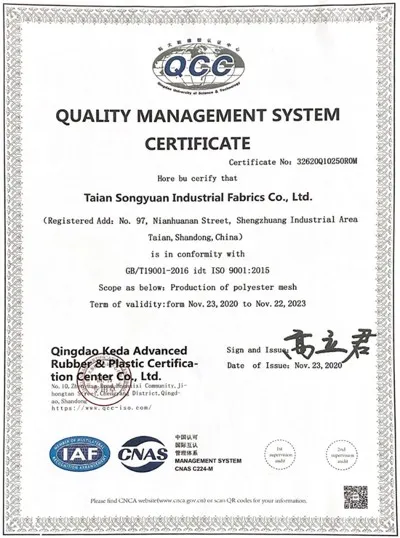
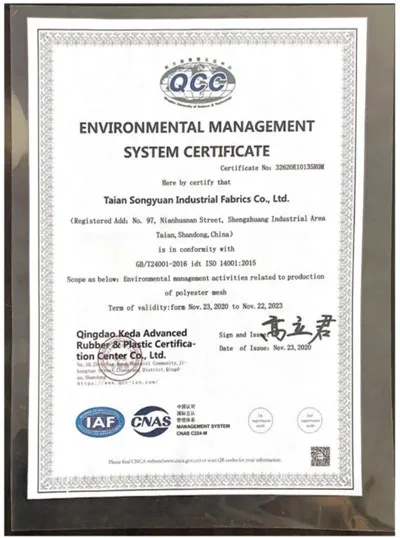
Our Certificate

FAQ
Q: What is a polyester vacuum filter belt?
Q: How does a polyester vacuum filter belt work?
Q: What are the advantages of using a polyester vacuum filter belt?
Q: What are the disadvantages of using a polyester vacuum filter belt?
Q: What are the applications of polyester vacuum filter belts?
Q: How do I choose the right size of polyester vacuum filter belt for my application?
Q: How do I maintain my polyester vacuum filter belt?
Q: How often should I replace my polyester vacuum filter belt?
Q: Can polyester vacuum filter belts be recycled?
Q: Are there any health and safety considerations when using a polyester vacuum filter belt?
Q: What are the differences between a polyester vacuum filter belt and other types of filtration media?
Q: Can polyester vacuum filter belts be used in harsh environments?
Q: How do I know if my polyester vacuum filter belt is clogged?
Q: Can I cut my polyester vacuum filter belt to size?
Q: What happens if my polyester vacuum filter belt gets wet?
Q: Can polyester vacuum filter belts be sterilized?
Q: What are the most common causes of failure in polyester vacuum filter belts?
Q: Can polyester vacuum filter belts be used outdoors?
Q: How do I dispose of a polyester vacuum filter belt when it is no longer usable?
Q: Are there any alternative materials to polyester for vacuum filter belts?