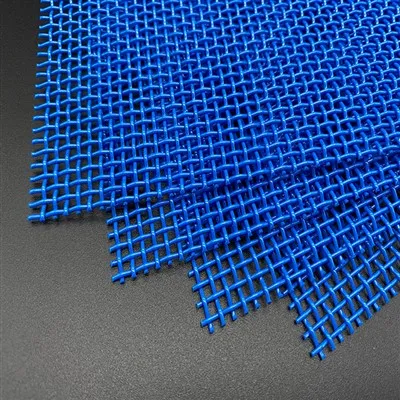
Hey there! As a supplier of Polyester Mesh Conveyor Belts, I've seen firsthand how the tension of these belts can make or break their operation. In this blog, I'll dive into how the tension of a polyester mesh conveyor belt impacts its performance and why it's so crucial to get it right.
What is Belt Tension and Why Does It Matter?
First off, let's talk about what belt tension is. Simply put, belt tension is the force applied to the belt to keep it in place and moving smoothly around the conveyor system. It's like the tightness of a rubber band - if it's too loose, it won't work properly; if it's too tight, it can break.
For polyester mesh conveyor belts, the right tension is essential for several reasons. It ensures that the belt stays aligned on the conveyor rollers, preventing it from slipping or wandering off to the side. This alignment is crucial for the efficient transfer of materials along the conveyor. If the belt is misaligned, it can cause uneven wear, damage to the belt edges, and even lead to product spillage.
Moreover, proper tension helps to maintain a consistent speed of the conveyor belt. When the tension is correct, the belt can grip the rollers effectively, allowing for a stable and reliable movement of goods. This is especially important in industries where precise timing and movement are required, such as food processing or electronics manufacturing.
The Impact of Over - Tensioning
Over - tensioning a polyester mesh conveyor belt is like putting too much pressure on a delicate fabric. It can have several negative consequences.
One of the most immediate effects is increased wear and tear. When the belt is over - tensioned, it rubs more aggressively against the conveyor rollers and other components. This friction generates heat, which can weaken the polyester material over time. The belt may start to show signs of fraying at the edges, and the mesh structure can become distorted. This not only shortens the lifespan of the belt but also increases the risk of sudden belt failure.
Over - tensioning can also put excessive stress on the conveyor system itself. The motors and bearings have to work harder to move the overly tight belt, which can lead to premature wear and mechanical failures. This means more frequent maintenance and higher repair costs for the conveyor system.
Another issue is that over - tensioned belts can cause product damage. If the belt is too tight, it may apply too much pressure on the materials being conveyed, especially if they are fragile. This can result in crushed or deformed products, which is a significant problem in industries like glass manufacturing or packaging of delicate items.


The Impact of Under - Tensioning
On the other hand, under - tensioning a polyester mesh conveyor belt is equally problematic. An under - tensioned belt is prone to slipping on the rollers. This slipping can cause inconsistent movement of the materials, leading to inaccurate product placement and reduced productivity. For example, in a bottling plant, an under - tensioned belt may cause bottles to be misaligned during the filling or labeling process, resulting in wasted products and production delays.
Slipping belts also generate excessive heat due to the friction between the belt and the rollers. This heat can damage the polyester mesh, causing it to melt or lose its structural integrity. In addition, the constant slipping can cause the belt to stretch over time, further exacerbating the tension problem.
Under - tensioned belts are also more likely to wander off the conveyor track. This can lead to jams and blockages in the conveyor system, which require manual intervention to fix. In a high - volume production environment, these disruptions can have a significant impact on the overall output and efficiency of the operation.
Finding the Right Tension
So, how do you find the right tension for a polyester mesh conveyor belt? Well, it's not an exact science, but there are some general guidelines.
First, you need to consider the type of conveyor system and the materials being conveyed. Different conveyor designs and applications require different levels of tension. For example, a long - distance conveyor may need more tension to overcome the resistance of the belt and the weight of the materials. On the other hand, a short - distance conveyor with light - weight products may require less tension.
You can use a tension gauge to measure the tension of the belt accurately. These gauges work by applying a known force to the belt and measuring the resulting deflection. By comparing the measured deflection with the manufacturer's recommended values, you can adjust the tension accordingly.
It's also important to perform regular inspections of the belt and the conveyor system. Look for signs of wear, misalignment, or slipping. If you notice any issues, it may be a sign that the tension needs to be adjusted.
Our Polyester Mesh Conveyor Belt Offerings
At our company, we offer a wide range of Polyester Mesh Conveyor Belts. Our belts come in different weaves, including the Polyester Mesh Conveyor Belt Plain Weave, which provides a smooth and even surface for material transfer. We also have various Polyester Plain Types Of Conveyor Belts to suit different applications.
Our belts are made from high - quality polyester materials that are designed to withstand the rigors of industrial use. We understand the importance of proper tension for the optimal performance of our belts, and we can provide guidance on how to set and maintain the right tension for your specific conveyor system.
Conclusion
In conclusion, the tension of a polyester mesh conveyor belt plays a critical role in its operation. Both over - tensioning and under - tensioning can lead to a host of problems, including wear and tear, mechanical failures, and product damage. By understanding the impact of tension and taking the necessary steps to find the right balance, you can ensure the efficient and reliable operation of your conveyor system.
If you're in the market for a new polyester mesh conveyor belt or need advice on belt tension, don't hesitate to reach out. We're here to help you choose the right belt for your application and ensure that it performs at its best. Contact us today to start a discussion about your conveyor belt needs.
References
- "Conveyor Belt Technology Handbook"
- Industry research reports on conveyor belt performance and maintenance.