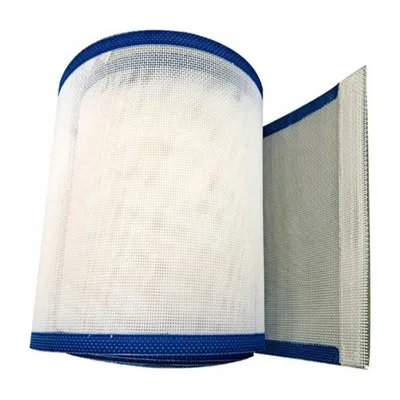
Adjusting the tension of single layer forming fabrics during operation is a crucial task that can significantly impact the quality of paper production and the lifespan of the fabric itself. As a supplier of single layer forming fabrics, I have witnessed firsthand the importance of proper tension adjustment in ensuring optimal performance. In this blog, I will share some insights on how to effectively adjust the tension of single layer forming fabrics during operation.
Understanding the Importance of Tension in Single Layer Forming Fabrics
Before delving into the adjustment process, it's essential to understand why tension is so important. The tension of a single layer forming fabric affects several aspects of the paper - making process. Firstly, it influences the evenness of the paper sheet. If the tension is too loose, the fabric may sag, leading to uneven distribution of the pulp and resulting in a paper sheet with varying thickness. On the other hand, excessive tension can cause the fabric to stretch beyond its limit, leading to premature wear and tear, and potentially damaging the fabric structure.
Secondly, proper tension is crucial for the de - watering process. The fabric needs to maintain a consistent tension to allow efficient water drainage from the pulp. Incorrect tension can disrupt the capillary action and hinder the water removal, which in turn affects the drying efficiency and the final quality of the paper.
Initial Checks before Tension Adjustment
Before making any adjustments to the tension, it's important to conduct a series of initial checks. First, inspect the fabric for any signs of damage such as tears, holes, or loose threads. A damaged fabric may not respond well to tension adjustments and may need to be replaced.
Next, check the alignment of the forming fabric. Misaligned fabrics can cause uneven tension distribution, even if the tension setting is correct. Make sure the fabric is centered on the forming section and that all guide rolls are properly aligned.
Tools for Tension Adjustment
To adjust the tension of single layer forming fabrics, you will need a few essential tools. A tension meter is the most important tool as it allows you to accurately measure the tension of the fabric. There are different types of tension meters available in the market, such as spring - loaded or electronic ones. Choose a tension meter that is suitable for the width and type of your forming fabric.
In addition to the tension meter, you will also need wrenches or other adjustment tools to manipulate the tensioning devices. These devices can vary depending on the paper machine design, but common ones include adjustable tensioning rolls or pneumatic tensioning systems.


Step - by - Step Guide to Adjust Tension
- Set a Baseline Tension
- Refer to the manufacturer's recommendations for the ideal tension range of your single layer forming fabric. This range is usually specified based on the fabric's material, width, and the type of paper being produced.
- Use the tension meter to measure the current tension of the fabric at multiple points across its width. Record these measurements as a baseline.
- Make Small Adjustments
- If the measured tension is below the recommended range, use the appropriate adjustment tools to increase the tension. For example, if you are using an adjustable tensioning roll, turn the adjustment bolts clockwise to tighten the fabric.
- Conversely, if the tension is above the recommended range, make counter - clockwise adjustments to loosen the fabric.
- Adjust the tension in small increments, typically no more than 1 - 2% of the current tension value at a time. After each adjustment, re - measure the tension at multiple points to ensure an even distribution.
- Check for Even Tension Distribution
- As you make adjustments, pay close attention to the tension distribution across the width of the fabric. Uneven tension can cause the fabric to tracking problems and affect the paper quality.
- If you notice significant differences in tension between different points, further adjust the tensioning devices at the appropriate locations. For example, if the tension is higher on one side of the fabric, slightly loosen the tension near that side.
- Monitor the Impact on Paper Quality
- During the tension adjustment process, closely monitor the quality of the paper being produced. Look for signs such as uneven thickness, streaks, or poor de - watering. If any of these issues arise, it may indicate that the tension adjustment needs further refinement.
- Fine - Tuning
- Once you have achieved a tension within the recommended range and an even distribution, continue to monitor the tension and paper quality over a period of time. Small fluctuations in tension can occur due to factors such as temperature changes and machine vibrations.
- Make minor fine - tuning adjustments as necessary to maintain the optimal tension.
Common Challenges and Solutions
- Tension Fluctuations
- One common challenge is tension fluctuations during operation. These fluctuations can be caused by factors such as uneven roll surfaces, improper belt tracking, or changes in the pulp consistency.
- To address this issue, regularly inspect the rolls for wear and tear and replace any damaged rolls. Ensure proper belt tracking by adjusting the guide rolls. Additionally, maintain a consistent pulp consistency to reduce the impact on tension.
- Fabric Stretching
- Over time, single layer forming fabrics may stretch, leading to a decrease in tension. This can be particularly problematic if the fabric is stretched beyond its elastic limit.
- To prevent excessive stretching, avoid over - tensioning the fabric during initial setup. If stretching does occur, gradually increase the tension to the recommended level, but be cautious not to cause further damage to the fabric.
Related Products and Their Benefits
In addition to single layer forming fabrics, we also offer 2.5 Layer Forming Fabrics and Paper Machine Clothing Triple Layer Forming Fabric. These multi - layer fabrics offer enhanced durability and better de - watering performance compared to single layer fabrics.
The Paper Machine Cloth forming Fabric is another product that provides a high - quality solution for paper production. It is designed to withstand the rigors of the papermaking process and ensure a smooth and even paper sheet.
Conclusion
Properly adjusting the tension of single layer forming fabrics during operation is a critical skill in the paper - making industry. By following the steps outlined in this blog, you can ensure that your forming fabric operates at its optimal tension, leading to improved paper quality and a longer lifespan for the fabric.
If you are interested in purchasing single layer forming fabrics or any of our other related products, we welcome you to contact us for further discussion and procurement negotiations. We are committed to providing high - quality products and excellent customer service to meet your paper - making needs.
References
- "Handbook of Paper Machine Clothing"
- "Principles of Papermaking"