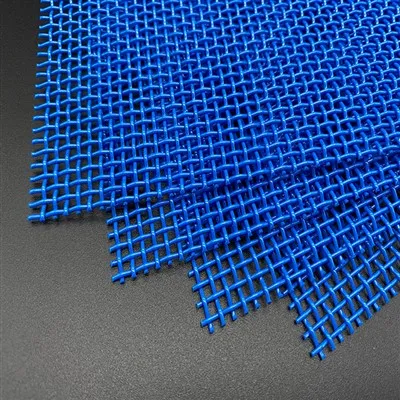
Proper storage of a monofilament food conveyor belt when not in use is crucial to maintain its performance and extend its lifespan. As a trusted supplier of monofilament food conveyor belts, we understand the importance of this process and are here to share some professional insights.
1. Cleaning the Conveyor Belt
Before storing the monofilament food conveyor belt, a thorough cleaning is essential. Food residues, dirt, and other contaminants can adhere to the belt surface, leading to corrosion, mold growth, and reduced belt performance over time.
- Use Appropriate Cleaning Agents: Select cleaning agents that are suitable for monofilament materials and food - grade applications. Mild detergents or specialized conveyor belt cleaners are often recommended. Avoid using harsh chemicals that may damage the belt material.
- Cleaning Process: Start by removing any large debris from the belt surface manually. Then, apply the cleaning agent to the belt and use a soft brush or sponge to scrub gently. Pay special attention to areas with stubborn stains. Rinse the belt thoroughly with clean water to remove all traces of the cleaning agent.
2. Drying the Belt
After cleaning, the conveyor belt must be completely dried to prevent moisture - related issues such as rust (if there are metal components), mold growth, and material degradation.
- Air Drying: Hang the belt in a well - ventilated area to allow it to air dry naturally. Avoid direct sunlight, as prolonged exposure to UV rays can cause the monofilament material to become brittle and lose its elasticity.
- Using Fans or Dehumidifiers: In a humid environment or when quick drying is required, fans or dehumidifiers can be used to speed up the drying process. Ensure that the belt is evenly dried to prevent any moisture from being trapped inside the belt structure.
3. Inspecting for Damage
Before storage, conduct a comprehensive inspection of the monofilament food conveyor belt to identify any signs of damage.
- Visual Inspection: Look for cuts, tears, abrasions, or signs of wear on the belt surface. Check the edges of the belt for fraying or damage. Also, inspect any joints or fasteners to ensure they are in good condition.
- Testing the Belt: If possible, perform a simple tension test or flexibility test to assess the overall integrity of the belt. Any damaged areas should be repaired before storage to prevent further deterioration during the storage period.
4. Choosing the Right Storage Location
The storage location plays a vital role in maintaining the quality of the conveyor belt.

- Temperature and Humidity Control: Store the belt in a location with a stable temperature and humidity level. Ideally, the temperature should be between 10°C and 30°C, and the relative humidity should be below 60%. Extreme temperatures and high humidity can cause the monofilament material to expand, contract, or absorb moisture, leading to damage.
- Protection from Physical Damage: The storage area should be free from sharp objects, heavy machinery, and other potential sources of physical damage. The belt should be stored in a clean and dry environment, away from chemicals, solvents, and other substances that may react with the monofilament material.
5. Storage Methods
There are several ways to store a monofilament food conveyor belt, depending on its size and shape.
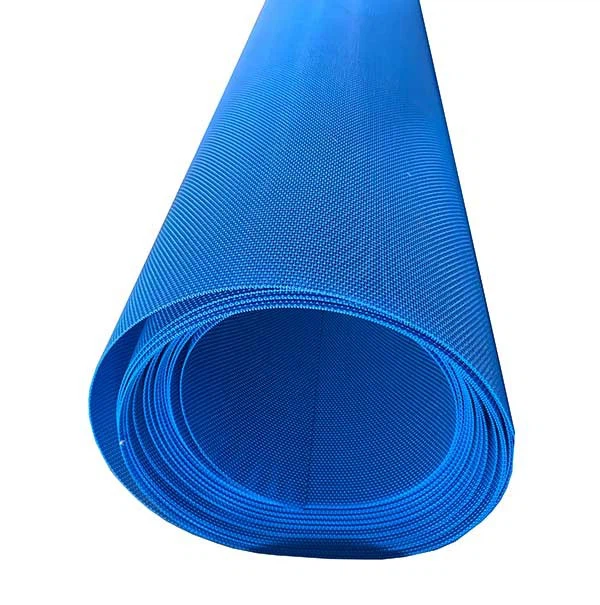
- Rolling the Belt: For long and narrow belts, rolling is a common storage method. Roll the belt tightly around a clean, smooth core, such as a cardboard tube. Make sure the belt is rolled evenly to prevent kinking or creasing. Secure the rolled belt with straps or bands to keep it in place.
- Folding the Belt: If rolling is not feasible, the belt can be folded carefully. Use a large, flat surface to fold the belt in a series of even folds. Avoid sharp folds or bends that may damage the belt material. Place a layer of protective material, such as a plastic sheet, between the folds to prevent friction and damage.
6. Protecting the Belt from Contaminants
During storage, the conveyor belt should be protected from dust, dirt, and other contaminants.
- Covering the Belt: Use a clean, breathable cover, such as a canvas or plastic sheet, to cover the stored belt. This will prevent dust and dirt from settling on the belt surface. Make sure the cover is large enough to fully enclose the belt and is securely fastened.
- Using Storage Containers: For smaller belts or when additional protection is required, storage containers can be used. Choose containers made of materials that are non - reactive with the monofilament material, such as plastic or metal. Line the container with a soft, protective material to prevent scratches or damage to the belt.
7. Labeling and Documentation
Proper labeling and documentation are important for easy identification and management of the stored conveyor belt.
- Labeling: Attach a label to the belt or its storage container, indicating the belt's specifications, such as size, material, and date of storage. This will make it easier to locate the belt when needed and ensure that it is used correctly.
- Documentation: Keep a record of the belt's inspection results, cleaning history, and storage conditions. This documentation can be useful for future reference and for ensuring compliance with quality control standards.
In addition to the above storage guidelines, we also offer a wide range of high - quality monofilament food conveyor belts, including the Polyester Linear Screen Mesh Conveyor Belt, Woven Wire Dry Polyester Mesh Filter Belt, and Polyester Plain Woven Mesh Belt For Food Industrial. These belts are designed to meet the strict requirements of the food industry, providing excellent performance and durability.
If you are interested in purchasing our monofilament food conveyor belts or have any questions about belt storage or other related issues, please feel free to contact us for further discussion and negotiation. We are committed to providing you with the best products and services to meet your specific needs.
References
- Conveyor Belt Handbook, published by a leading industry association.
- Research papers on monofilament material properties and storage requirements.