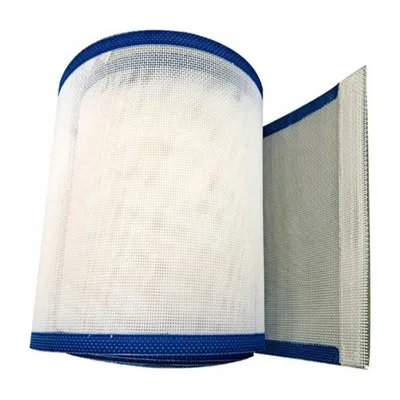
Hey there! As a supplier of Polyester Forming Fabrics, I often get asked about the anti - microbial properties of these fabrics. So, I thought I'd sit down and write a bit about it.
First off, let's talk about what polyester forming fabrics are. They're widely used in various industries, especially in the paper - making industry. You can check out some of our products like Making Polyester SSB Triple Layer Forming Fabric, Paper Machine Polyester Forming Fabric, and Polyester Forming Wires. These fabrics play a crucial role in the paper - making process, helping to form the paper sheet and drain the water.
Now, onto the anti - microbial properties. Polyester itself has some inherent characteristics that contribute to its anti - microbial nature. One of the main reasons is its low moisture absorption. Microbes, like bacteria and fungi, need a moist environment to thrive. Since polyester doesn't absorb much moisture, it creates an environment that's less hospitable for these unwanted guests.
When it comes to the paper - making industry, this is a huge advantage. In a paper machine, there's a lot of water involved. If the forming fabric were to absorb a large amount of water and retain it, it would become a breeding ground for bacteria and fungi. This could lead to all sorts of problems, such as bad odors, reduced fabric lifespan, and even contamination of the paper being produced.
The low moisture absorption of polyester also means that it dries quickly. After the water has passed through the fabric during the paper - forming process, the fabric can dry rapidly. This quick - drying property further inhibits the growth of microbes. For example, if a fabric takes a long time to dry, bacteria can start to multiply during that period. But with polyester, the short drying time reduces the window of opportunity for microbial growth.
Another factor related to the anti - microbial properties of polyester forming fabrics is the smooth surface. Polyester fibers have a relatively smooth structure. Microbes find it harder to attach and grow on a smooth surface compared to a rough one. On a rough surface, there are more crevices and irregularities where bacteria and fungi can hide and multiply. The smoothness of polyester fibers makes it easier to clean the fabric, which is essential for maintaining its anti - microbial properties.
In the paper - making process, regular cleaning of the forming fabric is necessary. The anti - microbial properties of polyester make this cleaning process more effective. When we clean the fabric, we can more easily remove any microbes that might have landed on it. And because of the fabric's inherent resistance to microbial growth, it takes longer for new colonies to form after cleaning.
Let's take a closer look at the types of microbes that polyester forming fabrics can resist. Bacteria are one of the most common types of microbes in industrial settings. Some common bacteria, like Escherichia coli and Staphylococcus aureus, can cause problems in paper - making. Polyester forming fabrics can help prevent the growth of these bacteria. Fungi are another concern. Mold, for example, can grow on damp surfaces and cause discoloration and damage to the fabric. The anti - microbial properties of polyester help to keep mold at bay.
However, it's important to note that while polyester has these anti - microbial advantages, it's not completely immune to microbial growth. In extreme conditions, such as if the fabric is exposed to a large amount of microbial contaminants for an extended period and the environment is very humid, there is still a possibility of some microbial growth. That's why proper maintenance and cleaning are so important.
We recommend regular inspection of the polyester forming fabrics. Check for any signs of discoloration, odor, or visible growth of microbes. If you notice any of these signs, it's time to clean the fabric thoroughly. There are various cleaning methods available, including chemical cleaning and mechanical cleaning. Chemical cleaning can use mild detergents that are specifically formulated to kill microbes without damaging the polyester fabric. Mechanical cleaning, such as using high - pressure water jets, can physically remove dirt and microbes from the fabric surface.
In addition to the inherent anti - microbial properties of polyester, some manufacturers, including us, may also apply anti - microbial treatments to the forming fabrics. These treatments can further enhance the fabric's ability to resist microbial growth. These treatments work by releasing anti - microbial agents that can kill or inhibit the growth of bacteria and fungi.
The application of anti - microbial treatments needs to be carefully balanced. We want to ensure that the treatment is effective in preventing microbial growth but doesn't affect the performance of the fabric in the paper - making process. For example, the treatment shouldn't change the fabric's porosity, which is crucial for proper water drainage during paper formation.
When it comes to the long - term performance of polyester forming fabrics, the anti - microbial properties play a significant role. A fabric that resists microbial growth will last longer. Microbial growth can cause degradation of the fabric fibers over time. Bacteria and fungi can break down the chemical bonds in the polyester, weakening the fabric. This can lead to premature wear and tear, such as holes or tears in the fabric. By preventing microbial growth, we can extend the lifespan of the fabric, which is a cost - effective solution for paper - making companies.
In the paper - making industry, downtime for fabric replacement can be costly. A longer - lasting fabric means less frequent replacement, which saves both time and money. The anti - microbial properties of polyester forming fabrics contribute to this cost - saving aspect.
Now, if you're in the paper - making business or any other industry that requires high - quality forming fabrics, I encourage you to consider our polyester forming fabrics. Our products are designed to take full advantage of the anti - microbial properties of polyester, and we also offer optional anti - microbial treatments for added protection.
If you're interested in learning more about our products or have any questions regarding the anti - microbial properties of our polyester forming fabrics, don't hesitate to reach out. We're here to help you make the best choice for your business. Whether you need a Making Polyester SSB Triple Layer Forming Fabric, Paper Machine Polyester Forming Fabric, or Polyester Forming Wires, we've got you covered.


Let's work together to ensure that your paper - making process runs smoothly and efficiently with our high - quality, anti - microbial polyester forming fabrics. Contact us today to start the conversation about your specific needs and how we can provide the perfect solution.
References
- "Textile Science and Technology: Fibers, Yarns, Fabrics, and Technical Textiles" by Subhash Anand
- "Microbiology in Industrial Settings" by John Smith
- "Paper - Making Technology: Processes and Equipment" by David Brown