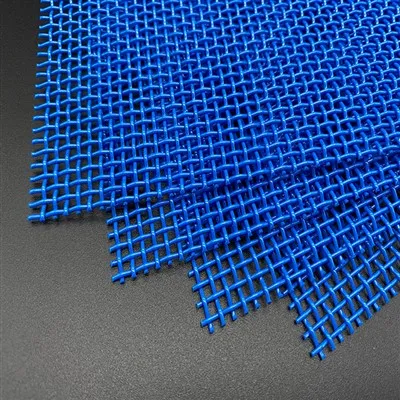
Hey there! As a supplier of Desulfurization Filter Cloth, I've seen firsthand the incredible benefits it brings to the desulfurization process. But like any product, it's not without its limitations. In this blog post, I'll dive into some of the key limitations of desulfurization filter cloth and how they can impact your operations.
1. Limited Chemical Resistance
One of the major limitations of desulfurization filter cloth is its limited chemical resistance. The desulfurization process often involves harsh chemicals, such as sulfuric acid and lime. Over time, these chemicals can degrade the filter cloth, reducing its effectiveness and lifespan. For example, if the filter cloth is exposed to high concentrations of sulfuric acid, it can cause the fibers to break down, leading to holes and tears in the cloth. This can result in a loss of filtration efficiency and an increase in the amount of pollutants passing through the filter.
2. Temperature Sensitivity
Another limitation is the temperature sensitivity of desulfurization filter cloth. Most filter cloths are designed to operate within a specific temperature range. If the temperature exceeds this range, the cloth can become damaged or lose its filtering properties. For instance, some polyester-based filter cloths can start to shrink or melt at high temperatures, which can affect the overall performance of the filter. This means that in high-temperature desulfurization processes, you need to carefully select a filter cloth that can withstand the heat.
3. Clogging and Fouling
Clogging and fouling are common issues with desulfurization filter cloth. During the desulfurization process, solid particles and contaminants can accumulate on the surface of the filter cloth, blocking the pores and reducing the flow rate. This can lead to increased pressure drop across the filter, which in turn requires more energy to maintain the filtration process. Additionally, fouling can also cause the filter cloth to become less effective at removing pollutants, as the clogged pores prevent the proper contact between the filter medium and the gas or liquid being filtered.
4. High Maintenance Requirements
Desulfurization filter cloth requires regular maintenance to ensure its optimal performance. This includes cleaning, inspection, and replacement of the filter cloth when necessary. Cleaning the filter cloth can be a time-consuming and labor-intensive process, especially if the cloth is heavily fouled. Moreover, the cost of replacement filter cloths can add up over time, increasing the overall operating costs of the desulfurization system.


5. Limited Filtration Efficiency for Fine Particles
While desulfurization filter cloth is effective at removing larger particles, it may have limitations when it comes to filtering fine particles. Fine particles can easily pass through the pores of the filter cloth, reducing the overall filtration efficiency. This is a significant concern in applications where strict emission standards need to be met. To address this issue, additional filtration steps or the use of more advanced filter media may be required.
6. Compatibility with Different Desulfurization Processes
Not all desulfurization filter cloths are compatible with every desulfurization process. Different processes may require specific types of filter cloths based on factors such as the type of pollutants, the operating conditions, and the desired filtration efficiency. For example, some processes may require a filter cloth with a high resistance to abrasion, while others may need a cloth that can handle high humidity. It's important to choose a filter cloth that is specifically designed for your particular desulfurization process to ensure optimal performance.
How to Overcome These Limitations
Despite these limitations, there are ways to overcome them and ensure the effective use of desulfurization filter cloth. Here are some strategies:
- Select the Right Filter Cloth: Choose a filter cloth that is specifically designed to withstand the chemical and temperature conditions of your desulfurization process. Consider factors such as the type of fibers, the weave pattern, and the pore size. You can find a wide range of options like FGD Filter Belt, Polyester Desulfurization Mesh Belt, and Vacuum Filter Cloth Polyester Mesh Belts that are designed to meet different requirements.
- Implement a Regular Maintenance Schedule: Establish a regular maintenance schedule to clean and inspect the filter cloth. This can help prevent clogging and fouling and extend the lifespan of the filter cloth.
- Use Pre - filtration: Install pre - filters to remove larger particles before they reach the desulfurization filter cloth. This can reduce the load on the filter cloth and improve its performance.
- Monitor and Control Operating Conditions: Keep a close eye on the operating conditions of the desulfurization process, such as temperature, pressure, and chemical concentrations. Make adjustments as needed to ensure that the filter cloth is operating within its optimal range.
Conclusion
Desulfurization filter cloth is an essential component in the desulfurization process, but it does have its limitations. By understanding these limitations and taking appropriate measures to overcome them, you can ensure the efficient and effective operation of your desulfurization system. If you're in the market for desulfurization filter cloth or have any questions about our products, don't hesitate to reach out. We're here to help you find the best solution for your needs.
References
- Smith, J. (2020). "Advances in Desulfurization Technologies". Journal of Environmental Science.
- Johnson, M. (2019). "Filter Cloth Selection for Desulfurization Processes". Industrial Filtration Magazine.