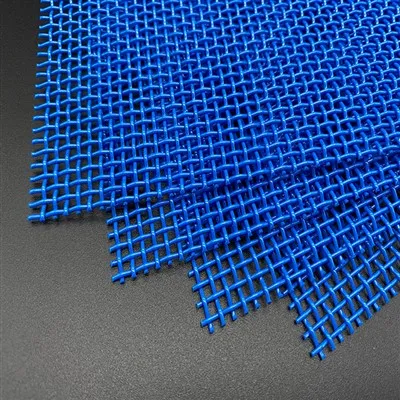
What are the signs of wear and tear on a polyester mesh conveyor belt?
As a trusted supplier of Polyester Mesh Conveyor Belts, I've witnessed firsthand the crucial role these belts play in various industries. Polyester mesh conveyor belts are renowned for their durability, flexibility, and high - temperature resistance, making them a staple in sectors such as food processing, packaging, and paper manufacturing. However, like any mechanical component, they are subject to wear and tear over time. Recognizing the signs of wear and tear is essential for maintaining optimal performance and preventing costly breakdowns.
Surface Abrasion
One of the most common signs of wear on a polyester mesh conveyor belt is surface abrasion. This occurs when the belt rubs against other components, such as rollers, pulleys, or the product being conveyed. Over time, this friction can cause the surface of the belt to become rough and worn, leading to a loss of its smooth, even finish. Abrasion can also result in the loss of individual fibers from the mesh, weakening the overall structure of the belt.
In a food processing environment, for example, the constant movement of products across the belt can cause abrasion. Small particles of food or debris can act as abrasives, gradually wearing down the belt surface. Similarly, in a packaging facility, the contact between the belt and the edges of boxes or containers can lead to surface damage.
When you notice that the surface of your polyester mesh conveyor belt has become rougher or if you see loose fibers on the belt or around the conveyor system, it's a clear indication of surface abrasion. To mitigate this issue, it's important to ensure that the belt is properly aligned and that the rollers and pulleys are in good condition. Regular cleaning of the belt can also help remove abrasive particles and reduce the risk of further damage.
Tensile Strength Loss
Polyester mesh conveyor belts are designed to withstand significant tensile forces as they move products along the conveyor line. However, over time, the repeated stretching and stress can cause a loss of tensile strength. This is particularly common in belts that are subjected to heavy loads or high - speed operation.
A belt with reduced tensile strength is more likely to break or become damaged under normal operating conditions. You may notice that the belt starts to sag or stretch more than usual, or that it has difficulty maintaining its shape. In some cases, the belt may even develop visible cracks or splits along its length.
To prevent tensile strength loss, it's important to choose a belt with the appropriate strength rating for your application. Additionally, regular inspections of the belt can help identify any early signs of weakness. If you suspect that your belt's tensile strength has been compromised, it's advisable to replace it as soon as possible to avoid a complete failure.
Chemical Damage
Polyester mesh conveyor belts can be exposed to a variety of chemicals in different industrial settings. These chemicals can react with the polyester material, causing damage to the belt's structure and properties. For example, in a chemical manufacturing plant, the belt may come into contact with acids, bases, or solvents that can break down the polyester fibers.
Chemical damage can manifest in several ways. The belt may become discolored, indicating a chemical reaction has occurred. You may also notice that the belt has become brittle or that its flexibility has been reduced. In some cases, the chemical damage can weaken the belt to the point where it is no longer able to function properly.


To protect your polyester mesh conveyor belt from chemical damage, it's important to choose a belt that is resistant to the specific chemicals used in your industry. You can find more information about chemical - resistant Polyester Mesh Conveyor Belts on our website. Additionally, proper handling and storage of chemicals around the conveyor system can help minimize the risk of exposure.
Edge Damage
The edges of a polyester mesh conveyor belt are particularly vulnerable to damage. This can occur due to improper installation, misalignment, or contact with sharp objects. Edge damage can start as small tears or fraying, but if left untreated, it can spread and compromise the integrity of the entire belt.
In a paper manufacturing facility, for example, the edges of the belt may come into contact with the sharp edges of paper rolls or cutting tools, causing damage. In a packaging plant, the belt edges may be pinched or damaged during the loading and unloading of products.
If you notice any signs of edge damage, such as frayed edges, tears, or loose fibers, it's important to address the issue promptly. Minor edge damage can sometimes be repaired, but in more severe cases, the belt may need to be replaced. Ensuring proper installation and alignment of the belt can help prevent edge damage in the first place.
Heat Damage
Polyester mesh conveyor belts are often used in applications where they are exposed to high temperatures. While polyester has good heat resistance, prolonged exposure to extreme heat can cause damage to the belt. Heat can cause the polyester fibers to melt or become brittle, reducing the belt's strength and flexibility.
In a baking or food processing environment, for example, the belt may be exposed to high - temperature ovens or cooking equipment. In a foundry or metalworking facility, the belt may come into contact with hot metal parts.
Signs of heat damage include discoloration of the belt, a change in the texture of the fibers, or a loss of flexibility. If you notice any of these signs, it's important to evaluate the heat source and take steps to protect the belt. This may involve installing heat shields or using a belt with a higher heat - resistance rating. You can explore our range of Polyester Plain Types Of Conveyor Belts which are designed to withstand different temperature ranges.
Mesh Deformation
The mesh structure of a polyester mesh conveyor belt is designed to provide a stable surface for product conveyance while allowing for air or liquid flow in some applications. However, over time, the mesh can become deformed. This can happen due to improper tensioning, heavy loads, or the presence of foreign objects in the mesh.
Mesh deformation can lead to uneven product conveyance. Products may get stuck in the deformed mesh or may not move smoothly along the belt. You may also notice that the belt has a wavy or uneven appearance, indicating that the mesh structure has been compromised.
To prevent mesh deformation, it's important to ensure that the belt is properly tensioned. Regular inspections of the belt can help identify any signs of mesh distortion early on. If you notice that the mesh has become deformed, it may be necessary to adjust the tension or replace the belt.
Joint Failure
Most polyester mesh conveyor belts are joined together to form a continuous loop. The joint is a critical part of the belt, as it needs to be strong enough to withstand the same forces as the rest of the belt. However, joint failure can occur over time due to factors such as improper installation, wear and tear, or chemical exposure.
A failed joint can cause the belt to come apart, leading to a complete shutdown of the conveyor system. You may notice that the joint area has become loose, or that there are visible signs of separation. In some cases, the joint may start to fray or tear.
To avoid joint failure, it's important to ensure that the joint is properly installed by a trained professional. Regular inspections of the joint area can help detect any early signs of damage. If you suspect that the joint is failing, it's crucial to address the issue immediately to prevent further damage to the belt and the conveyor system.
In conclusion, being aware of the signs of wear and tear on a polyester mesh conveyor belt is essential for maintaining the efficiency and reliability of your conveyor system. By regularly inspecting your belts and taking proactive measures to address any issues, you can extend the lifespan of your belts and reduce the risk of costly breakdowns.
If you are experiencing any of the issues mentioned above or if you are looking for high - quality polyester mesh conveyor belts, we are here to help. As a leading supplier of Polyester Mesh Conveyor Belts, we offer a wide range of products to suit your specific needs. Our belts are made from high - quality materials and are designed to provide long - lasting performance.
Whether you need a Polyester Plain Types Of Conveyor Belts for a food processing application or a Paper Machine Plain Fabric for a paper manufacturing facility, we have the expertise and the products to meet your requirements. Contact us today to discuss your conveyor belt needs and to start a procurement discussion.
References
- Industry standard guidelines on conveyor belt maintenance
- Manufacturer's specifications for polyester mesh conveyor belts
- Research studies on the durability and performance of polyester materials in conveyor applications