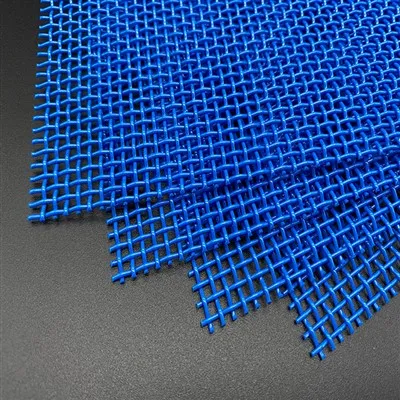
Hey there! As a supplier of Round Wire Woven Dryer Screens, I often get asked about the differences between round wire and flat wire in dryer screens. It's a topic that's super important if you're in the market for a dryer screen, so let's dive right in.
Physical Characteristics
First off, let's talk about the physical differences between round wire and flat wire. Round wire, as the name suggests, has a circular cross - section. This gives it a smooth and rounded surface. On the other hand, flat wire has a rectangular cross - section, which means it has a flatter and wider surface area.
The shape of the wire affects how the dryer screen interacts with the material being dried. Round wire screens tend to have more space between the wires. This is because the circular shape allows for a more open weave pattern. For example, when you're looking at a round wire woven dryer screen, you'll notice that there are larger gaps between the individual wires. This open structure can be great for allowing air to flow through the screen more freely.
In contrast, flat wire screens have a more compact appearance. The flat shape of the wire allows for a tighter weave, which means there are smaller gaps between the wires. This can be beneficial in some cases where you need to prevent smaller particles from passing through the screen.
Performance in Drying
When it comes to the actual drying process, both round wire and flat wire screens have their own advantages.
Round wire screens are excellent at promoting air circulation. The open structure we talked about earlier allows hot air to penetrate the material being dried more easily. This can lead to faster and more efficient drying. For instance, if you're drying a large quantity of bulky materials like wood chips or hay, a round wire woven dryer screen can help ensure that the air reaches all parts of the material, reducing drying time.
Flat wire screens, however, offer better support for the material being dried. The tighter weave provides a more stable surface for the material to rest on. This is especially useful when dealing with fine or powdery materials. For example, if you're drying coffee grounds or pharmaceutical powders, a flat wire screen can prevent the material from falling through the screen while still allowing for adequate air flow.
Durability
Durability is another key factor to consider when choosing between round wire and flat wire dryer screens.
Round wire screens are generally more flexible. The circular shape of the wire allows it to bend and flex without breaking easily. This makes them a great choice for applications where the screen may be subject to some movement or vibration. For example, in a tumble dryer, a round wire screen can withstand the constant movement without getting damaged.
Flat wire screens, on the other hand, are often more rigid. The flat shape gives them more strength in a straight - line direction. They are less likely to deform under heavy loads. So, if you're using the dryer screen in an industrial setting where there is a lot of pressure or weight on the screen, a flat wire screen might be a better option.
Cleaning and Maintenance
Cleaning and maintenance are important aspects of any equipment, and dryer screens are no exception.
Round wire screens are usually easier to clean. The open structure allows debris to fall through the screen more easily, and it's also easier to access the wires for cleaning. You can use a brush or a jet of air to remove any dirt or residue from the screen.
Flat wire screens can be a bit more challenging to clean. The tighter weave can trap debris more easily, and it may require more effort to get into the small gaps between the wires. However, with the right cleaning tools and techniques, such as using a high - pressure water jet or a specialized cleaning solution, you can still keep a flat wire screen in good condition.
Cost
Cost is always a consideration when making a purchasing decision.
Round wire screens are often more cost - effective. The manufacturing process for round wire is generally simpler, which means lower production costs. This can translate into a lower price for the end - user. If you're on a budget and still need a reliable dryer screen, a round wire woven dryer screen could be the way to go.
Flat wire screens, due to their more complex manufacturing process and the need for more precise weaving, tend to be more expensive. However, if you require the specific performance characteristics that a flat wire screen offers, such as better support for fine materials or higher durability under heavy loads, the extra cost may be worth it.


Applications
The choice between round wire and flat wire screens also depends on the specific application.
For agricultural applications, such as drying grains or fruits, round wire screens are often a popular choice. Their open structure allows for good air circulation, which is essential for preventing mold and spoilage.
In the food processing industry, flat wire screens are commonly used for drying delicate products like herbs or spices. The tight weave helps to keep the small particles intact and prevents them from falling through the screen.
If you're in the chemical or pharmaceutical industry, both types of screens can be used depending on the nature of the product. For example, round wire screens may be used for drying large - scale chemical products, while flat wire screens are better suited for handling fine powders.
Related Products
If you're still not sure which type of dryer screen is right for you, there are other related products that you might want to consider. Check out our Flat Yarn Woven Dryer Screen, which combines some of the benefits of both round and flat wire screens. It offers a unique balance of air circulation and particle retention.
We also have the Spiral Dryer Mesh Filter Belt, which is great for continuous drying processes. And for those looking for a more lightweight option, our Woven Polyester Dryer Fabric is a popular choice.
Conclusion
In conclusion, the choice between round wire and flat wire dryer screens depends on a variety of factors, including the physical characteristics of the material being dried, the desired drying performance, durability requirements, cleaning and maintenance needs, and cost. As a supplier of Round Wire Woven Dryer Screens, I'm here to help you make the right decision for your specific application.
If you're interested in learning more or are ready to make a purchase, feel free to reach out. We can have a detailed discussion about your needs and find the perfect dryer screen solution for you.
References
- Industrial Drying Handbook, Third Edition by Arun S. Mujumdar
- Handbook of Industrial Drying by Arun S. Mujumdar