What is the maximum pressure that a vacuum filter belt polyester can withstand?
As a prominent supplier of Vacuum Filter Belt Polyester, I've encountered numerous inquiries regarding the maximum pressure these belts can endure. This topic is crucial as it directly impacts the efficiency and longevity of filtration processes across various industries. In this blog, I'll delve into the factors determining the maximum pressure tolerance of polyester vacuum filter belts, real - world applications, and how to select the right belt for your specific pressure requirements.
Factors Affecting the Maximum Pressure Tolerance
The maximum pressure a polyester vacuum filter belt can withstand is influenced by several key factors. Firstly, the material composition plays a vital role. Polyester itself is known for its high strength, chemical resistance, and dimensional stability. However, the specific grade of polyester used in the belt manufacturing can vary. Higher - quality polyesters with enhanced molecular structures generally offer better pressure resistance.
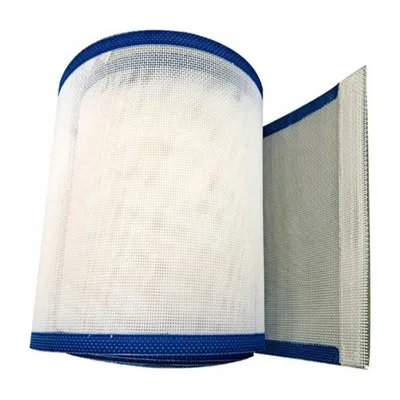
The construction of the belt is another significant factor. The weaving pattern and density of the polyester fibers determine how the belt distributes pressure. For instance, a tightly woven belt with a high thread count can evenly spread the pressure across its surface, allowing it to withstand greater forces without deformation. On the other hand, a loosely woven belt may be more prone to stretching and damage under high pressure.
Coatings and treatments also impact pressure tolerance. Some vacuum filter belts are coated with special polymers or resins to improve their abrasion resistance, chemical compatibility, and pressure - bearing capacity. These coatings can create a protective layer that shields the polyester fibers from the harsh conditions of the filtration process, including high pressure.
Real - World Applications and Pressure Requirements
In different industries, the pressure requirements for vacuum filter belts vary significantly. In the mining industry, for example, where large - scale ore processing takes place, high - pressure filtration is often necessary to separate solids from liquids efficiently. Vacuum filter belts used in mining operations may need to withstand pressures ranging from several hundred to over a thousand pounds per square inch (psi). These belts are exposed to abrasive particles and harsh chemicals, making their pressure - bearing capacity and durability critical.
The chemical industry also relies heavily on vacuum filter belts for various separation processes. Chemical filtration often involves corrosive substances and high - pressure environments. For instance, in the production of pharmaceuticals or specialty chemicals, the filter belts need to withstand not only high pressure but also chemical attack. The pressure requirements in the chemical industry can vary depending on the specific process, but they can be substantial, sometimes reaching several hundred psi.
In the power generation sector, specifically in flue gas desulfurization (FGD) processes, Polyester Desulfurization Mesh Belt and FGD Filter Belt are used to remove sulfur dioxide from flue gases. These belts are subjected to moderate pressures, typically in the range of 50 - 200 psi. However, they need to be resistant to the acidic and alkaline substances present in the flue gas and the slurry.
Testing and Determining the Maximum Pressure
To accurately determine the maximum pressure a polyester vacuum filter belt can withstand, rigorous testing procedures are employed. Manufacturers typically conduct laboratory tests using specialized equipment. These tests involve applying increasing pressure to the belt samples until failure occurs. The failure can be defined as significant deformation, tearing, or loss of filtration efficiency.
During the testing process, various parameters are measured, such as the belt's elongation at different pressure levels, its tensile strength, and its ability to maintain its filtration performance. The results of these tests are used to establish the maximum pressure rating for the belt. It's important to note that the maximum pressure rating is not a fixed value but rather a guideline based on controlled laboratory conditions. In real - world applications, factors such as temperature, chemical exposure, and the presence of abrasive particles can affect the belt's actual pressure - bearing capacity.


Selecting the Right Belt for Your Pressure Requirements
When selecting a polyester vacuum filter belt for your specific application, it's essential to consider the maximum pressure it will be subjected to. Start by accurately assessing the pressure requirements of your filtration process. This may involve consulting with process engineers or referring to industry standards and guidelines.
Once you have determined the pressure requirements, look for belts that are specifically designed to meet or exceed those requirements. Consider the belt's construction, material quality, and any additional coatings or treatments. For high - pressure applications, belts with a high thread count and reinforced edges are often a good choice. They can provide the necessary strength and stability to withstand the forces involved.
It's also advisable to choose belts from reputable suppliers who have a proven track record in manufacturing high - quality vacuum filter belts. A reliable supplier will be able to provide detailed technical information about the belt's pressure - bearing capacity and offer support in selecting the right product for your needs.
Importance of Regular Maintenance
Even the highest - quality polyester vacuum filter belts require regular maintenance to ensure they continue to perform optimally under pressure. Regular inspections can help detect signs of wear, damage, or degradation early on. This allows for timely replacement or repair of the belt, preventing costly downtime and potential process failures.
Cleaning the belt regularly is also crucial. Accumulated solids and debris can increase the pressure on the belt and reduce its filtration efficiency. Use appropriate cleaning methods and chemicals recommended by the belt manufacturer to avoid damaging the belt.
Conclusion
The maximum pressure that a vacuum filter belt polyester can withstand is determined by a combination of factors, including material composition, construction, and coatings. Understanding these factors is essential for selecting the right belt for your specific application. Whether you're in the mining, chemical, or power generation industry, choosing a belt with the appropriate pressure - bearing capacity is crucial for the success of your filtration process.
If you're in need of high - quality polyester vacuum filter belts for your filtration needs, we're here to help. Our company offers a wide range of Polyester Filter Belt For Desulfurization and other related products designed to meet the diverse pressure requirements of different industries. Contact us to discuss your specific needs and let us assist you in finding the perfect solution for your filtration process.
References
- "Filtration Handbook" by Christopher D. Dickenson
- Industry reports on vacuum filtration technology and applications
- Technical documents provided by polyester belt manufacturers