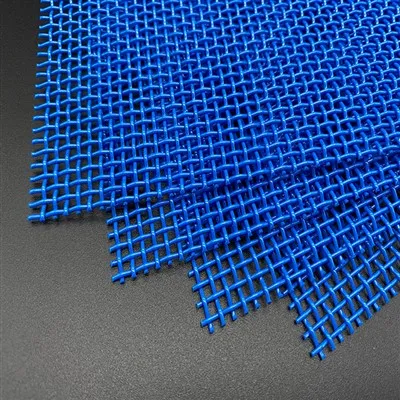
Hey there! As a supplier of Polyester Plain Woven Mesh Belt, I often get asked about the minimum operating temperature of these belts. So, I thought I'd dive into this topic and share some insights with you.
First off, let's understand what Polyester Plain Woven Mesh Belt is. It's a type of conveyor belt made from polyester fibers woven in a plain pattern. These belts are known for their durability, flexibility, and resistance to wear and tear. They're used in a wide range of industries, from food processing to packaging, and even in some industrial manufacturing processes.
Now, onto the main question: what's the minimum operating temperature of Polyester Plain Woven Mesh Belt? Well, the answer isn't as straightforward as you might think. The minimum operating temperature can vary depending on several factors, such as the specific type of polyester used, the weave pattern, and the thickness of the belt.
In general, most Polyester Plain Woven Mesh Belts can operate at temperatures as low as -20°C (-4°F). However, some high-quality belts can withstand even lower temperatures, down to -40°C (-40°F). But it's important to note that these are just general guidelines, and the actual minimum operating temperature can vary from one belt to another.
One of the main factors that affects the minimum operating temperature of Polyester Plain Woven Mesh Belt is the type of polyester used. There are different grades of polyester, each with its own unique properties. For example, some polyesters are more resistant to cold temperatures than others. So, when choosing a belt, it's important to consider the specific requirements of your application and choose a belt made from a polyester that can withstand the temperatures you'll be operating in.
Another factor that can affect the minimum operating temperature is the weave pattern of the belt. A tighter weave pattern can provide better insulation and help the belt withstand lower temperatures. On the other hand, a looser weave pattern may allow more air to circulate through the belt, which can help prevent the buildup of static electricity but may also make the belt more susceptible to cold temperatures.
The thickness of the belt is also an important consideration. Thicker belts generally have better insulation properties and can withstand lower temperatures than thinner belts. However, thicker belts may also be heavier and more expensive, so you'll need to balance the benefits of thickness against your specific requirements and budget.
It's also important to note that the minimum operating temperature of Polyester Plain Woven Mesh Belt can be affected by other factors, such as humidity, exposure to chemicals, and the presence of abrasive materials. For example, high humidity can cause the belt to absorb moisture, which can make it more brittle and prone to cracking at low temperatures. Exposure to chemicals can also damage the belt and reduce its ability to withstand cold temperatures.
So, how do you determine the minimum operating temperature of a Polyester Plain Woven Mesh Belt for your specific application? The best way is to consult with the manufacturer or supplier of the belt. They can provide you with detailed information about the belt's specifications and performance characteristics, and help you choose the right belt for your needs.
In addition to consulting with the manufacturer or supplier, it's also a good idea to conduct some tests to determine the actual minimum operating temperature of the belt in your specific environment. You can do this by gradually lowering the temperature in a controlled environment and monitoring the performance of the belt. Look for signs of cracking, brittleness, or other damage, and note the temperature at which these signs first appear.
Once you've determined the minimum operating temperature of the belt, it's important to take steps to ensure that the belt operates within this temperature range. This may include using insulation materials to protect the belt from cold temperatures, installing heaters or other temperature control devices, or adjusting the operating conditions of your equipment to avoid exposing the belt to temperatures below its minimum operating temperature.
In conclusion, the minimum operating temperature of Polyester Plain Woven Mesh Belt can vary depending on several factors, such as the type of polyester used, the weave pattern, and the thickness of the belt. In general, most belts can operate at temperatures as low as -20°C (-4°F), but some high-quality belts can withstand even lower temperatures. To determine the minimum operating temperature of a belt for your specific application, it's best to consult with the manufacturer or supplier and conduct some tests in your specific environment. By taking these steps, you can ensure that your Polyester Plain Woven Mesh Belt operates safely and efficiently in your application.
If you're in the market for a Polyester Plain Woven Mesh Belt, I'd love to help you find the right one for your needs. We offer a wide range of belts, including Paper Machine Plain Fabric, Polyester Spiral Mesh Conveyor Belt, and Polyester Plain Woven Mesh. Our belts are made from high-quality materials and are designed to meet the needs of a variety of industries. So, if you have any questions or need more information, please don't hesitate to contact us. We'd be happy to help you find the perfect belt for your application.
References:


- "Polyester Conveyor Belts: A Comprehensive Guide" by Conveyor Belt Solutions
- "Operating Temperature Ranges of Conveyor Belts" by Industrial Conveyor Belt Association