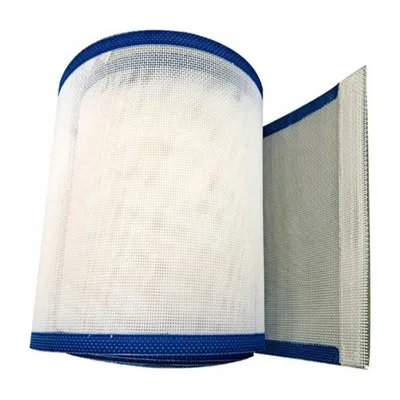
Can sludge dewatering mesh belt be repaired? This is a question that often arises among industries dealing with sludge management. As a leading supplier of Sludge Dewatering Mesh Belts, I've encountered this query numerous times from our clients. In this blog, I'll delve into the possibility of repairing these belts, exploring the factors involved, methods of repair, and when it's more prudent to replace them.
Understanding Sludge Dewatering Mesh Belts
Before we discuss the repair aspect, it's essential to understand what sludge dewatering mesh belts are. These belts are a crucial component in sludge dewatering systems, which are used to separate water from sludge in various industries such as wastewater treatment, mining, and food processing. The belts are typically made of materials like polyester, which offer high strength, chemical resistance, and a suitable mesh structure for efficient water drainage.
Our company offers a range of sludge dewatering mesh belts, including Polyester Mesh Belts For Belt Filter Press, Polyester Spiral Press - Filter Weave Conveyor Belt, and Polyester Sludge Dewatering Belt. These belts are designed to withstand the harsh conditions of sludge dewatering processes and provide reliable performance over an extended period.
Factors Affecting Repairability
Several factors determine whether a sludge dewatering mesh belt can be repaired. The first factor is the extent of damage. Minor damages such as small tears, holes, or frayed edges can often be repaired. For example, if a belt has a small tear caused by a sharp object, it can be patched using appropriate repair materials. However, if the damage is extensive, such as large sections of the belt being worn out or severely damaged, repair may not be a viable option.
The type of damage also plays a role. Physical damage, such as cuts and abrasions, can usually be addressed through repair methods. Chemical damage, on the other hand, can be more challenging to repair. If the belt has been exposed to corrosive chemicals, the material may have undergone structural changes that cannot be easily reversed.


The age of the belt is another important factor. Older belts may have already experienced significant wear and tear, and even if a repair is possible, it may not provide a long - term solution. In such cases, it might be more cost - effective to replace the belt.
Repair Methods
There are several methods for repairing sludge dewatering mesh belts. One common method is patching. For small holes or tears, a patch made of the same or a compatible material can be applied. The patch is usually attached using a suitable adhesive or by sewing, depending on the type of belt and the nature of the damage.
Another method is splicing. If a belt has a break, splicing can be used to rejoin the two ends. This involves preparing the ends of the belt, applying a splicing material, and using heat or pressure to bond the ends together. Splicing requires some skill and the right equipment to ensure a strong and durable repair.
In some cases, damaged sections of the belt can be cut out and replaced with new sections. This method is more complex and may require specialized tools and expertise. However, it can be an effective way to restore the functionality of the belt.
When to Repair and When to Replace
Deciding whether to repair or replace a sludge dewatering mesh belt depends on several factors. If the damage is minor and the belt is relatively new, repair is often the preferred option. It can save costs and downtime compared to replacing the entire belt. For example, if a belt has a small tear that can be easily patched, the repair process can be completed quickly, allowing the dewatering system to resume operation without significant interruption.
On the other hand, if the belt is old, has extensive damage, or has been repeatedly repaired, replacement may be the better choice. A worn - out belt may not perform efficiently, leading to reduced dewatering capacity and increased energy consumption. Additionally, continuous repairs can be costly in the long run, and replacing the belt can provide a more reliable and cost - effective solution.
Cost - Benefit Analysis
A cost - benefit analysis is essential when deciding whether to repair or replace a sludge dewatering mesh belt. The cost of repair includes the cost of materials, labor, and any downtime associated with the repair process. The cost of replacement includes the cost of the new belt, installation, and any associated downtime.
In some cases, the cost of repair may be relatively low, especially for minor damages. However, if the belt is nearing the end of its useful life, the cost of multiple repairs may exceed the cost of a new belt. It's important to consider the long - term performance and reliability of the belt when making this decision.
Quality Assurance and Support
As a sludge dewatering mesh belt supplier, we understand the importance of providing high - quality products and reliable support. Our belts are manufactured to strict quality standards, ensuring durability and performance. In addition to supplying belts, we also offer technical support and guidance on belt repair and maintenance.
If you're facing issues with your sludge dewatering mesh belt, our team of experts can assess the damage and recommend the best course of action. Whether it's a simple repair or a replacement, we can provide the necessary assistance to keep your dewatering system running smoothly.
Conclusion
In conclusion, sludge dewatering mesh belts can be repaired in many cases, especially when the damage is minor. However, the decision to repair or replace depends on factors such as the extent of damage, the age of the belt, and the cost - benefit analysis. As a supplier, we are committed to providing high - quality belts and support to our customers.
If you're in need of sludge dewatering mesh belts or have questions about belt repair and maintenance, we encourage you to contact us for further discussion. Our team is ready to assist you in finding the best solution for your sludge dewatering needs.
References
- Industry reports on sludge dewatering technology
- Manufacturer's guidelines for sludge dewatering mesh belt maintenance and repair