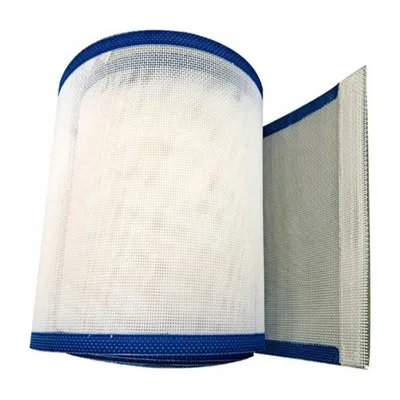
In the industrial drying process, woven dryer screens play a crucial role. As a supplier of high - quality Polyester Dryer Screen, Woven Dryer Fabric, and Round Flat Wire Woven Dryer Screen, I've witnessed firsthand how the condition of these screens can significantly impact energy consumption. This blog aims to explore in - depth how a dirty woven dryer screen affects energy use and what businesses can do about it.
Understanding the Basics of Woven Dryer Screens
Woven dryer screens are essential components in industrial dryers. They are designed to allow hot air to pass through while supporting the materials being dried. These screens come in various materials, such as polyester and metal wires, each with its own unique properties suitable for different drying applications. For instance, polyester dryer screens are lightweight, corrosion - resistant, and ideal for many food and textile drying processes. On the other hand, round flat wire woven dryer screens offer high strength and durability, making them perfect for heavy - duty industrial applications.
The Role of Clean Screens in Energy - Efficient Drying
When a woven dryer screen is clean, it performs its function optimally. The open structure of the screen allows hot air to flow evenly through the material being dried. This efficient airflow means that the heat can be transferred effectively from the hot air to the material, speeding up the drying process. As a result, the dryer doesn't have to run for as long or at as high a temperature to achieve the desired level of dryness.
How a Dirty Screen Disrupts the Process
Over time, woven dryer screens can become dirty due to the accumulation of lint, dust, and debris from the materials being dried. This build - up can gradually clog the screen's pores, impacting its performance in several ways:
Reduced Airflow
The most immediate effect of a dirty screen is reduced airflow. When the pores of the screen are blocked, hot air has a harder time passing through. As a result, the heat transfer from the air to the material becomes less efficient. The dryer then has to work harder to push the air through the clogged screen, which often leads to increased energy consumption.
Longer Drying Times
With reduced airflow and inefficient heat transfer, the drying process takes longer. The dryer has to operate for extended periods to reach the required moisture level in the material. Longer operating times mean more energy is used, as the heating elements and fans in the dryer remain active for a greater duration.


Higher Operating Temperatures
To compensate for the reduced airflow and slower drying rate, operators may increase the temperature of the dryer. However, this only exacerbates the energy problem. Higher temperatures require more energy to maintain, and they also increase the wear and tear on the dryer components, potentially leading to more frequent breakdowns and maintenance costs.
Scientific Evidence of Energy Impact
Multiple studies have shown the relationship between dirty dryer screens and energy consumption. Aerodynamic research has indicated that even a small amount of blockage in the screen pores can cause a significant drop in airflow. For example, a simulation study published in an industrial engineering journal found that a 10% blockage of a woven dryer screen could result in a 20% decrease in airflow and a subsequent 15% increase in energy consumption.
Case Studies
Let's look at some real - world examples. A textile manufacturing company was experiencing high energy costs in their drying process. After an inspection, it was discovered that their woven dryer screens were heavily clogged with lint. Once the screens were cleaned, the company noticed an immediate improvement in drying efficiency. The drying time was reduced by 30%, and energy consumption decreased by 25%.
Similarly, a food processing plant had issues with inconsistent drying results and high energy bills. The problem was traced back to dirty round flat wire woven dryer screens. After replacing the screens with new ones and implementing a regular cleaning schedule, the plant saw a 20% reduction in energy use and more uniform drying of their products.
Preventive Measures and Solutions
To avoid the negative impact of dirty screens on energy consumption, businesses should adopt a proactive approach.
Regular Cleaning
Establishing a regular cleaning schedule is crucial. Depending on the type of material being dried and the operating conditions, screens may need to be cleaned daily, weekly, or monthly. Simple cleaning methods, such as brushing or vacuuming, can remove loose debris. For more stubborn dirt, chemical cleaning or pressure washing may be required.
Inspection and Replacement
Regular inspections can help detect early signs of screen wear and blockage. If a screen is severely damaged or clogged beyond cleaning, it should be replaced promptly. As a supplier, we offer high - quality replacement screens that are designed to restore the efficiency of the drying process.
Training and Awareness
Operators should be trained to recognize the signs of a dirty screen and understand the importance of proper maintenance. By raising awareness about the link between screen cleanliness and energy consumption, businesses can encourage their staff to take proactive steps to keep the screens in good condition.
Conclusion
In conclusion, a dirty woven dryer screen can have a significant impact on energy consumption. The reduced airflow, longer drying times, and higher operating temperatures associated with dirty screens all contribute to increased energy use and higher costs. However, by implementing regular cleaning, inspection, and replacement practices, as well as training operators, businesses can minimize these effects and achieve more energy - efficient drying processes.
If you are facing issues with your woven dryer screens or looking to improve the energy efficiency of your drying operations, we are here to help. Our team of experts can provide you with the right advice and high - quality products to meet your specific needs. Don't hesitate to reach out and start a discussion about how we can optimize your drying process and reduce your energy costs.
References
- Aerodynamic research on airflow through industrial dryer screens, Industrial Engineering Journal
- Case study of textile manufacturing company's energy savings after screen cleaning
- Case study of food processing plant's improved drying efficiency with new screens