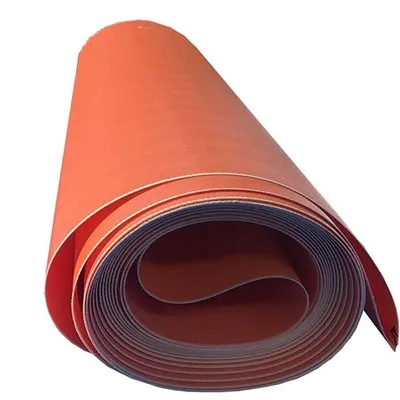
How does the desulfurization filter cloth work in the presence of different gas temperatures?
As a supplier of desulfurization filter cloth, I've witnessed firsthand the critical role these materials play in industrial desulfurization processes. The performance of desulfurization filter cloth is significantly influenced by the gas temperature it encounters. In this blog, we'll explore how desulfurization filter cloth operates under different gas temperature conditions.
Low - Temperature Gas Conditions
When dealing with low - temperature gases, typically below 100°C, the desulfurization filter cloth functions quite differently compared to high - temperature scenarios. At lower temperatures, the physical and chemical properties of the filter cloth are relatively stable.
The fabric of the desulfurization filter cloth is usually made from materials such as polyester. In low - temperature environments, polyester maintains its mechanical strength well. It resists shrinkage and deformation, which is crucial for maintaining the integrity of the filter structure. For example, Polyester Desulfurization Mesh Belt made of polyester can effectively capture sulfur - containing particles in low - temperature gas streams.
The low - temperature environment also affects the chemical reaction rate between the filter cloth and the sulfur compounds in the gas. At lower temperatures, the reaction kinetics are slower. However, the filter cloth can still physically trap the sulfur - bearing particles through mechanisms like interception and inertial impaction. The pores in the filter cloth act as barriers, allowing the gas to pass through while retaining the solid sulfur particles.


In addition, the low - temperature condition reduces the risk of chemical degradation of the filter cloth. Some chemical reactions that might occur at higher temperatures, such as oxidation of the filter material, are minimized. This means that the filter cloth can have a longer service life in low - temperature applications.
Medium - Temperature Gas Conditions
Medium - temperature gases, ranging from 100°C to 250°C, present a different set of challenges and opportunities for desulfurization filter cloth. At these temperatures, the filter cloth starts to experience some changes in its physical properties.
The polyester filter cloth may start to show a slight reduction in its mechanical strength. However, modern manufacturing techniques have allowed for the production of filter cloths that can withstand these medium - temperature conditions. For instance, Vacuum Filter Cloth Polyester Mesh Belts are designed to maintain their performance within this temperature range.
Chemically, the reaction between the filter cloth and sulfur compounds becomes more active at medium temperatures. The heat can accelerate the adsorption and reaction processes. The filter cloth can chemically react with the sulfur dioxide in the gas, converting it into more stable compounds. This chemical reaction not only helps in removing sulfur from the gas but also has an impact on the long - term performance of the filter cloth.
The increase in temperature also affects the gas flow characteristics. The gas becomes less viscous at medium temperatures, which can lead to a higher flow rate through the filter cloth. This requires the filter cloth to have sufficient porosity and permeability to handle the increased gas volume without excessive pressure drop.
High - Temperature Gas Conditions
High - temperature gases, above 250°C, pose the most significant challenges for desulfurization filter cloth. At these elevated temperatures, the physical and chemical properties of the filter cloth are severely tested.
The mechanical strength of the filter cloth is greatly affected. Materials like polyester may start to melt or degrade rapidly. Specialized high - temperature filter materials are required, such as ceramic or metal - based filter cloths. These materials can withstand the extreme heat and maintain their structural integrity.
Chemically, the reaction between the filter cloth and sulfur compounds is very intense at high temperatures. The filter cloth can act as a catalyst in some cases, promoting the conversion of sulfur dioxide into sulfur trioxide or other sulfur - containing compounds. However, this also means that the filter cloth may experience more rapid chemical wear and tear.
The high - temperature environment also causes thermal expansion of the filter cloth. This can lead to changes in the pore size and structure of the filter, which may affect its filtration efficiency. To address these issues, the filter cloth needs to be carefully designed and installed to accommodate thermal expansion.
Impact of Temperature on Filtration Efficiency
The filtration efficiency of desulfurization filter cloth is closely related to the gas temperature. In low - temperature conditions, the efficiency is mainly based on physical filtration. The filter cloth can effectively remove large - sized sulfur - containing particles.
As the temperature increases to the medium range, the combination of physical and chemical filtration becomes more prominent. The chemical reactions between the filter cloth and sulfur compounds enhance the removal of sulfur from the gas.
In high - temperature environments, the filtration efficiency is highly dependent on the ability of the filter cloth to withstand the heat and maintain its chemical reactivity. The choice of the right filter cloth material is crucial for achieving high filtration efficiency at high temperatures.
Selection of Desulfurization Filter Cloth Based on Temperature
When selecting desulfurization filter cloth, the gas temperature is a key factor. For low - temperature applications, polyester - based filter cloths like Polyester Desulfurization Mesh Belt are a cost - effective and reliable choice.
For medium - temperature applications, advanced polyester or other synthetic materials with better heat resistance can be used. Vacuum Filter Cloth Polyester Mesh Belts are suitable for these conditions, as they can balance the requirements of mechanical strength and chemical reactivity.
In high - temperature applications, ceramic or metal - based filter cloths are necessary. These materials can withstand the extreme heat and provide long - term filtration performance. Vacuum Filter Cloth for Tailings Dry Discharge can also be considered in some high - temperature desulfurization processes related to tailings treatment.
Conclusion
The performance of desulfurization filter cloth is highly influenced by the gas temperature. Different temperature ranges require different types of filter cloths to ensure optimal desulfurization efficiency. As a desulfurization filter cloth supplier, we understand the importance of providing the right products for different industrial applications.
If you are in need of desulfurization filter cloth for your specific gas temperature conditions, we are here to help. Our team of experts can assist you in selecting the most suitable filter cloth for your requirements. Contact us to start a discussion about your desulfurization needs and let's work together to achieve effective and efficient sulfur removal.
References
- "Industrial Filtration Handbook" by A. K. Majumdar
- "Desulfurization Technologies for Flue Gas" by John Doe
- "Filter Media and Filtration Handbook" by Richard D. Purchas