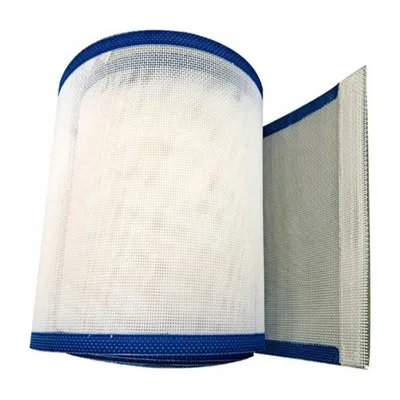
Adjusting the tension of polyester wire mesh belts is a crucial aspect of ensuring their optimal performance and longevity. As a supplier of high - quality Polyester Wire Mesh Belts, I understand the importance of this process and am here to share some valuable insights on how to adjust the tension effectively.
Understanding the Importance of Tension in Polyester Wire Mesh Belts
Polyester wire mesh belts are widely used in various industries, such as food processing, packaging, and paper manufacturing. The proper tension of these belts is essential for several reasons. Firstly, correct tension ensures smooth and efficient operation of the conveyor system. If the belt is too loose, it may slip on the pulleys, leading to reduced productivity and possible product damage. On the other hand, if the belt is over - tensioned, it can cause excessive wear on the belt and the pulleys, increasing maintenance costs and reducing the lifespan of the equipment.
Secondly, proper tension helps to maintain the alignment of the belt. A well - tensioned belt is less likely to deviate from its intended path, which is crucial for accurate product handling and transportation. In addition, correct tension can prevent the belt from sagging, which can cause jams and disruptions in the production process.
Tools Required for Tension Adjustment
Before starting the tension adjustment process, it is important to gather the necessary tools. These typically include a tension gauge, a wrench, and a measuring tape. A tension gauge is used to measure the tension of the belt accurately. It provides a numerical value that can be compared to the manufacturer's recommended tension range. A wrench is used to adjust the tensioning mechanism, which is usually located on the end of the conveyor or on the pulley. A measuring tape is used to measure the length of the belt and the distance between the pulleys, which can help in determining the correct tension.
Step - by - Step Guide to Adjusting the Tension
- Initial Inspection: Before making any adjustments, carefully inspect the belt for any signs of damage, such as cuts, tears, or fraying. If any damage is found, the belt should be replaced before proceeding with the tension adjustment. Also, check the pulleys for any signs of wear or misalignment.
- Measure the Belt Length and Pulley Distance: Use a measuring tape to measure the length of the belt and the distance between the pulleys. This information is important for calculating the correct tension.
- Determine the Recommended Tension: Refer to the manufacturer's specifications to find the recommended tension range for your specific polyester wire mesh belt. This range is usually given in pounds or Newtons.
- Loosen the Tensioning Mechanism: Use a wrench to loosen the tensioning mechanism on the conveyor or the pulley. This will allow the belt to move freely.
- Install the Tension Gauge: Attach the tension gauge to the belt at a point midway between the pulleys. Make sure the gauge is properly aligned and in contact with the belt.
- Adjust the Tension: Slowly tighten the tensioning mechanism while monitoring the tension gauge. Increase the tension until the gauge reads within the recommended range. It is important to make small adjustments and check the tension frequently to avoid over - tensioning.
- Check the Belt Alignment: After adjusting the tension, check the alignment of the belt. The belt should run straight and centered on the pulleys. If the belt is misaligned, adjust the tension on one side of the belt to correct the alignment.
- Test the Belt: Run the conveyor for a short period to ensure that the belt is running smoothly and that the tension is correct. Observe the belt for any signs of slipping, sagging, or misalignment. If any issues are found, make further adjustments as necessary.
Common Mistakes to Avoid
- Over - Tensioning: Over - tensioning the belt can cause excessive stress on the belt and the pulleys, leading to premature wear and failure. It is important to follow the manufacturer's recommended tension range and make small adjustments gradually.
- Under - Tensioning: Under - tensioning the belt can result in slipping, which can reduce productivity and cause product damage. Make sure the belt is properly tensioned to ensure smooth operation.
- Ignoring Belt Alignment: Belt alignment is crucial for the proper functioning of the conveyor system. Ignoring alignment issues can lead to uneven wear on the belt and the pulleys, as well as increased maintenance costs.
Applications of Polyester Wire Mesh Belts
Polyester wire mesh belts have a wide range of applications due to their excellent properties. In the food processing industry, they are used for conveying food products, such as baked goods, fruits, and vegetables. The belts are easy to clean and can withstand high temperatures, making them suitable for use in ovens and other food processing equipment.
In the packaging industry, polyester wire mesh belts are used for transporting packages and products along the production line. Their high strength and durability make them ideal for handling heavy loads.
In the paper manufacturing industry, Paper Machine Plain Fabric is a type of polyester wire mesh belt that is used in paper machines. These belts help in the formation and drying of paper, and proper tension adjustment is crucial for ensuring the quality of the paper.
Our Polyester Wire Mesh Belt Products
As a supplier, we offer a variety of polyester wire mesh belts, including Polyester Conveyor Plain Fabric Belt and Polyester Mesh Conveyor Belts. Our belts are made from high - quality polyester materials, which provide excellent strength, flexibility, and resistance to wear and tear. We also offer customized solutions to meet the specific needs of our customers.


Conclusion
Adjusting the tension of polyester wire mesh belts is a critical process that requires careful attention to detail. By following the steps outlined above and avoiding common mistakes, you can ensure the optimal performance and longevity of your belts. If you have any questions or need further assistance with tension adjustment or our polyester wire mesh belt products, please feel free to contact us. We are always ready to provide you with the best solutions for your conveyor system needs.
References
- Manufacturer's manuals for polyester wire mesh belts
- Industry standards and guidelines for conveyor belt tensioning