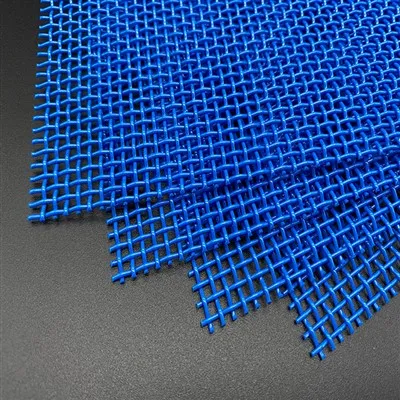
Hey there! As a supplier of Polyester Sludge Dewatering Belts, I've seen firsthand how crucial these belts are in the sludge dewatering process. They play a significant role in separating water from sludge, which is essential for many industries like wastewater treatment, mining, and food processing. But here's the thing: to keep these belts working at their best, proper maintenance is a must. So, in this blog, I'm gonna share some tips on how to maintain a polyester sludge dewatering belt.
Regular Cleaning
One of the most important aspects of maintaining a polyester sludge dewatering belt is regular cleaning. Over time, sludge and other debris can build up on the belt, which can reduce its efficiency and lifespan. To clean the belt, you can use a high-pressure water jet. Make sure to direct the water jet at the belt at a proper angle to remove all the dirt and sludge. You can also use a mild detergent if the belt is particularly dirty. But be careful not to use a harsh chemical, as it can damage the polyester material.
It's also a good idea to clean the belt after each use. This will prevent the sludge from hardening on the belt, which can be much more difficult to remove later. And don't forget to clean the rollers and other components that come into contact with the belt. These parts can also accumulate dirt and sludge, which can affect the belt's performance.
Inspection for Damage
Regular inspection is another key part of maintenance. You should check the belt for any signs of damage, such as tears, holes, or fraying. Even a small tear can quickly turn into a big problem if it's not addressed promptly. If you notice any damage, you need to repair or replace the belt as soon as possible.
Inspect the belt's edges as well. The edges are often the most vulnerable part of the belt and can easily get damaged. Look for any signs of wear or separation at the edges. If you find any issues, you can use a suitable adhesive or patching material to repair the belt. But if the damage is too severe, it's better to replace the belt.
Tension Adjustment
Proper tension is crucial for the belt's performance. If the belt is too loose, it can slip on the rollers, which can reduce its dewatering efficiency. On the other hand, if the belt is too tight, it can put too much stress on the belt and the rollers, which can lead to premature wear and damage.
You should check the belt's tension regularly and adjust it as needed. Most dewatering systems have a tension adjustment mechanism. Use this mechanism to adjust the tension according to the manufacturer's recommendations. You can also use a tension gauge to measure the tension accurately.
Storage
When the belt is not in use, proper storage is important. Store the belt in a cool, dry place away from direct sunlight. Sunlight can cause the polyester material to degrade over time, which can reduce the belt's lifespan. You can also cover the belt with a protective cover to prevent dust and dirt from accumulating on it.


If you need to store the belt for an extended period, it's a good idea to roll it up and store it on a spool. This will prevent the belt from getting creased or damaged. Make sure to label the spool with the belt's specifications, so you can easily identify it later.
Lubrication
Some components of the dewatering system, such as the rollers and bearings, may require lubrication. Lubrication helps to reduce friction and wear, which can extend the lifespan of these components. Use a suitable lubricant recommended by the manufacturer. Apply the lubricant regularly according to the maintenance schedule.
But be careful not to over - lubricate. Too much lubricant can attract dirt and debris, which can cause more problems. And make sure to clean the components before applying the lubricant to ensure that it works effectively.
Training for Operators
Last but not least, proper training for operators is essential. Operators should know how to use the dewatering system correctly and how to perform basic maintenance tasks. They should also be aware of the signs of potential problems and know what to do when they encounter them.
Providing regular training to operators can help to prevent many maintenance issues. It can also improve the overall efficiency of the dewatering process.
Now, if you're in the market for high - quality Polyester Sludge Dewatering Belts, we've got you covered. We offer a wide range of products, including Polyester Press Filter Fabric, Woven Press Filter Belts, and Polyester Spiral Press - Filter Weave Conveyor Belt. Our belts are made from high - quality polyester materials and are designed to provide long - lasting performance.
If you're interested in our products or have any questions about maintenance or our belts, feel free to reach out to us. We're always happy to help you find the right solution for your sludge dewatering needs.
References
- "Industrial Sludge Dewatering Handbook"
- Manufacturer's manuals for polyester sludge dewatering belts