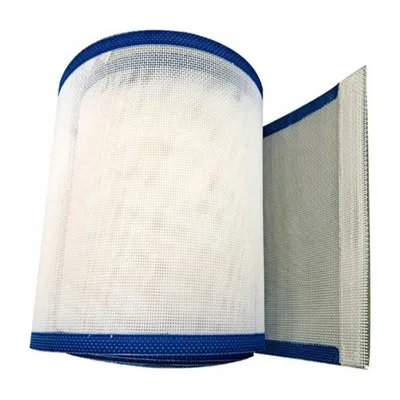
Hey there! As a supplier of anti-static filter fabric, I've seen firsthand how crucial it is to maintain the anti-static performance of these fabrics. In this blog post, I'll share some tips and tricks on how to do just that.


Understanding Anti-static Filter Fabric
Before we dive into maintenance, let's quickly go over what anti-static filter fabric is and why it's so important. Anti-static filter fabric is designed to prevent the buildup of static electricity, which can cause all sorts of problems in industrial settings. Static electricity can attract dust and other particles, leading to clogged filters and reduced efficiency. It can also cause sparks, which can be a fire hazard in certain environments.
There are several types of anti-static filter fabric available on the market, including Anti-static Polyester Screen Mesh, Polyester Anti-static Fabric For MDF Production Line, and Anti-static Mash Belt. Each type has its own unique properties and is suitable for different applications.
Factors Affecting Anti-static Performance
Several factors can affect the anti-static performance of filter fabric. Understanding these factors is the first step in maintaining the fabric's effectiveness.
- Environmental Conditions: High humidity can reduce the build-up of static electricity, while low humidity can increase it. Temperature can also play a role, as extreme temperatures can affect the conductivity of the anti-static fibers in the fabric.
- Contamination: Dust, oil, and other contaminants can coat the fabric and reduce its anti-static properties. Regular cleaning is essential to prevent this.
- Mechanical Stress: Frequent bending, stretching, or abrasion can damage the anti-static fibers in the fabric, leading to a loss of performance.
Maintenance Tips
Now that we understand the factors that can affect anti-static performance, let's look at some practical tips for maintaining your filter fabric.
Regular Cleaning
One of the most important things you can do to maintain the anti-static performance of your filter fabric is to clean it regularly. Over time, dust, dirt, and other contaminants can build up on the fabric, reducing its ability to conduct static electricity.
- Frequency: The frequency of cleaning will depend on the environment in which the fabric is used. In high-dust environments, you may need to clean the fabric daily or weekly. In less dusty environments, monthly cleaning may be sufficient.
- Cleaning Method: Use a mild detergent and warm water to clean the fabric. Avoid using harsh chemicals or abrasive cleaners, as these can damage the fabric and reduce its anti-static properties. Gently scrub the fabric with a soft brush or sponge, then rinse it thoroughly with clean water.
- Drying: After cleaning, allow the fabric to air dry completely. Avoid using a dryer, as the high heat can damage the fabric and reduce its anti-static performance.
Proper Storage
When the filter fabric is not in use, it's important to store it properly to prevent damage and maintain its anti-static properties.
- Clean Before Storage: Always clean the fabric before storing it to remove any dirt or contaminants that could cause damage over time.
- Store in a Cool, Dry Place: Store the fabric in a cool, dry place away from direct sunlight and heat sources. High temperatures and humidity can damage the fabric and reduce its anti-static performance.
- Avoid Folding or Creasing: Folding or creasing the fabric can damage the anti-static fibers and reduce its performance. If possible, store the fabric in a flat or rolled position.
Inspection and Replacement
Regular inspection of the filter fabric is essential to detect any signs of damage or wear that could affect its anti-static performance.
- Visual Inspection: Check the fabric regularly for signs of damage, such as holes, tears, or fraying. If you notice any damage, replace the fabric immediately to prevent static electricity from building up.
- Performance Testing: Periodically test the anti-static performance of the fabric using a static meter or other testing equipment. If the performance has decreased significantly, it may be time to replace the fabric.
Handling with Care
Proper handling of the filter fabric is also important to prevent damage and maintain its anti-static properties.
- Avoid Contact with Sharp Objects: Sharp objects can puncture or tear the fabric, reducing its anti-static performance. When handling the fabric, be careful to avoid contact with sharp edges or objects.
- Use Gloves: When handling the fabric, wear gloves to prevent oils and dirt from your hands from transferring to the fabric. Oils and dirt can reduce the fabric's ability to conduct static electricity.
Conclusion
Maintaining the anti-static performance of filter fabric is essential for ensuring its effectiveness and longevity. By following the tips outlined in this blog post, you can keep your filter fabric in good condition and prevent static electricity from causing problems in your industrial processes.
If you have any questions about maintaining the anti-static performance of your filter fabric or if you're interested in purchasing high-quality anti-static filter fabric, don't hesitate to contact us. We're here to help you find the right solution for your needs.
References
- "Industrial Textiles: Technology, Applications and Performance" by Peter H. Steeneken
- "Textile Science and Engineering" by Robert H. Giles