Hey there! As a supplier of Polyester Mesh Conveyor Belts, I often get asked a bunch of questions about where these belts can be used. One question that pops up quite a bit is, "Can a polyester mesh conveyor belt be used in a corrosive gas environment?" Well, let's dig into this topic and find out.
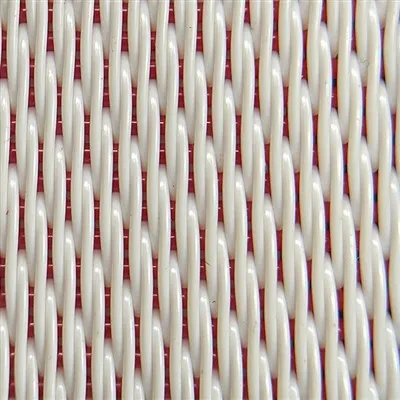
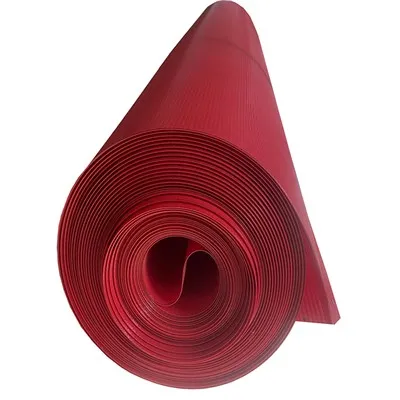
First off, let's talk a bit about polyester mesh conveyor belts. These belts are pretty versatile. They're made from polyester, which is a synthetic polymer known for its strength and durability. Polyester mesh conveyor belts come in different types, like the Monofilament Food Conveyor Belt, Polyester Linear Screen Mesh Conveyor Belt, and Polyester Spiral Mesh Conveyor Belt. Each type has its own unique features and is suitable for different applications.


Now, let's get to the main question: corrosive gas environments. Corrosive gases can be pretty nasty. They can eat away at materials over time, causing them to weaken and eventually fail. So, can polyester mesh conveyor belts handle these harsh conditions?
The answer is, it depends. Polyester itself has some resistance to chemicals. It's not as reactive as some other materials, which gives it a bit of an edge in corrosive environments. However, not all corrosive gases are the same. Some gases are more aggressive than others, and they can have a different impact on the polyester mesh.
For mild corrosive gas environments, polyester mesh conveyor belts can often do the job. Mild corrosive gases might include things like low - concentration sulfur dioxide or carbon dioxide. In these cases, the polyester's natural chemical resistance can help it withstand the gas without significant damage for a reasonable amount of time. The mesh structure of the belt also allows for good ventilation, which can help reduce the buildup of corrosive substances on the belt surface.
But when we're talking about highly corrosive gas environments, things get a bit trickier. Gases like chlorine, hydrogen fluoride, or strong acids in gaseous form can be extremely damaging to polyester. These gases can break down the polyester polymer chains, leading to a loss of strength and integrity in the belt. The mesh structure, which is usually designed for flexibility and permeability, can actually make the belt more vulnerable in these conditions. The gas can penetrate the mesh and attack the individual polyester filaments from all sides, accelerating the corrosion process.
Another factor to consider is the temperature in the corrosive gas environment. Higher temperatures can speed up chemical reactions, including the corrosion of the polyester mesh. So, if the environment is both hot and filled with corrosive gases, the belt's lifespan is likely to be significantly reduced.
If you're thinking about using a polyester mesh conveyor belt in a corrosive gas environment, there are a few things you can do to increase its chances of survival. First, you can look into applying a protective coating to the belt. There are various coatings available that can provide an extra layer of protection against corrosive gases. These coatings can act as a barrier, preventing the gas from directly contacting the polyester.
Regular maintenance is also crucial. You should regularly inspect the belt for signs of corrosion, such as discoloration, brittleness, or fraying. If you notice any issues, it's important to address them right away. You might need to clean the belt more frequently to remove any corrosive residues that have built up on its surface.
It's also a good idea to consult with a materials expert. They can help you analyze the specific corrosive gas environment you're dealing with and recommend the best type of belt and any necessary protective measures.
So, to sum it up, polyester mesh conveyor belts can be used in mild corrosive gas environments, but they may not be suitable for highly corrosive ones. It all depends on the type of gas, its concentration, the temperature, and how well you maintain the belt.
If you're in the market for a polyester mesh conveyor belt and need to use it in a corrosive gas environment, don't hesitate to reach out. We can work together to figure out the best solution for your specific needs. Whether it's choosing the right type of belt, applying a protective coating, or setting up a maintenance plan, we've got the knowledge and experience to help you make the right decision.
References
- "Polymer Chemistry: An Introduction" by Malcolm P. Stevens
- "Corrosion of Polymers and Elastomers" by J. K. Dennis