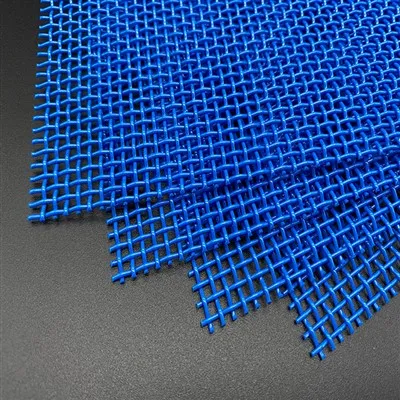
As a supplier of Vacuum Filter Belt Polyester, ensuring the chemical resistance of our products is crucial. Chemical resistance is a key factor that determines the performance and longevity of vacuum filter belts in various industrial applications. In this blog, we will explore how to test the chemical resistance of a vacuum filter belt polyester, providing you with in - depth knowledge and practical methods.
Understanding the Importance of Chemical Resistance
In industrial processes, vacuum filter belts are often exposed to a wide range of chemicals, including acids, alkalis, solvents, and other corrosive substances. If the filter belt lacks sufficient chemical resistance, it may degrade, lose its mechanical properties, and ultimately fail to perform its filtering function effectively. This can lead to production disruptions, increased maintenance costs, and potential environmental hazards. Therefore, accurately testing the chemical resistance of a vacuum filter belt polyester is essential for both product quality control and customer satisfaction.
Factors Affecting Chemical Resistance
Before delving into the testing methods, it's important to understand the factors that can affect the chemical resistance of polyester vacuum filter belts.
- Polyester Composition: The type and quality of polyester used in the belt play a significant role. Different polyester polymers have different chemical structures, which determine their resistance to various chemicals. For example, some polyesters may be more resistant to acids, while others are better at withstanding alkalis.
- Additives and Treatments: Many vacuum filter belts are treated with additives to enhance their performance. These additives can improve chemical resistance, but they may also react with certain chemicals, reducing the overall resistance of the belt.
- Temperature and Concentration: The temperature and concentration of the chemicals the belt is exposed to can greatly influence its chemical resistance. Higher temperatures and concentrations generally increase the rate of chemical reactions, leading to more rapid degradation of the belt.
Testing Methods
Immersion Test
The immersion test is one of the most common and straightforward methods for testing the chemical resistance of a vacuum filter belt polyester.
- Sample Preparation: Cut several small samples from the vacuum filter belt, ensuring that they are of uniform size and shape. The samples should be representative of the entire belt.
- Chemical Selection: Choose the chemicals that the belt is likely to encounter in its intended application. This may include acids such as sulfuric acid, hydrochloric acid, or alkalis like sodium hydroxide.
- Immersion Process: Place the samples in separate containers filled with the selected chemicals at the appropriate temperature and concentration. The immersion time can vary depending on the specific requirements of the test, but it is typically several days to weeks.
- Evaluation: After the immersion period, remove the samples from the chemicals and rinse them thoroughly with water. Then, evaluate the changes in the samples' physical properties, such as weight, thickness, tensile strength, and appearance. Any significant changes, such as discoloration, swelling, or loss of strength, indicate a lack of chemical resistance.
Exposure Test
In addition to the immersion test, an exposure test can also be used to simulate real - world conditions.
- Test Setup: Create a test chamber where the vacuum filter belt samples are exposed to a continuous flow of the test chemicals. This can be achieved by using a spray system or a vapor chamber.
- Monitoring: Continuously monitor the samples during the exposure period. Check for any signs of degradation, such as surface damage, cracking, or changes in filtration efficiency.
- Data Collection: Record the data on the changes in the samples' properties over time. This data can be used to determine the long - term chemical resistance of the vacuum filter belt.
Analytical Techniques
Advanced analytical techniques can provide more detailed information about the chemical resistance of the vacuum filter belt polyester.
- FTIR (Fourier - Transform Infrared Spectroscopy): This technique can be used to analyze the chemical structure of the polyester before and after exposure to chemicals. It can detect changes in the functional groups of the polyester, indicating chemical reactions that may have occurred.
- SEM (Scanning Electron Microscopy): SEM can be used to examine the surface morphology of the filter belt samples. It can reveal any physical damage, such as cracks or pits, caused by chemical exposure.
Case Studies
Let's take a look at some real - world examples of how testing the chemical resistance of vacuum filter belts has helped in industrial applications.
In a desulfurization process, a company was using Polyester Desulfurization Mesh Belt in their vacuum filtration system. Before implementing the belts, they conducted a series of chemical resistance tests using sulfuric acid and other chemicals commonly found in the desulfurization process. The tests showed that the belts had excellent resistance to these chemicals, ensuring long - term performance and reliability in the harsh environment.


Another case involves a mining company that was using Vacuum Filter Cloth for Tailings Dry Discharge. They tested the chemical resistance of the filter cloth against various acids and alkalis present in the tailings. The results of the tests helped them select the most suitable filter cloth, which improved the efficiency of the tailings dry discharge process and reduced maintenance costs.
Conclusion
Testing the chemical resistance of a vacuum filter belt polyester is a complex but essential process. By understanding the factors that affect chemical resistance and using appropriate testing methods, we can ensure that our products meet the highest quality standards. As a supplier of Vacuum Filter Belt Polyester, we are committed to providing our customers with reliable and high - performance products. If you are interested in Polyester Vacuum Filter Belt for Fgd or other related products, and want to discuss your specific requirements, please feel free to contact us for further procurement negotiations.
References
- ASTM D543 - 14(2019) Standard Practice for Evaluating the Resistance of Plastics to Chemical Reagents.
- ISO 175:2010 Plastics — Determination of the effects of liquid chemicals.