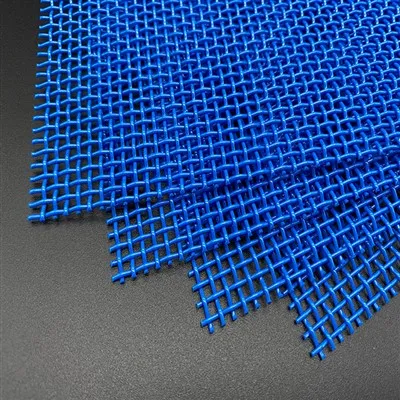
Hey there! As a supplier of Vacuum Filter Belt Polyester, I've seen firsthand how crucial belt tension is for the performance of these belts. In this blog, I'll break down what impact belt tension can have on the performance of a vacuum filter belt polyester and why it matters.
Let's start with the basics. Belt tension refers to the force applied to the belt to keep it in place and moving smoothly around the pulleys. It's like the tightness of a rubber band. If it's too loose, it won't work properly; if it's too tight, it might break or cause other issues.
Impact on Filtration Efficiency
One of the most significant impacts of belt tension on a vacuum filter belt polyester is filtration efficiency. When the belt tension is just right, the belt lies flat on the filter surface, creating a consistent and uniform barrier. This allows for even distribution of the slurry or liquid being filtered. As a result, the particles in the slurry are more effectively captured by the belt, leading to better filtration.
However, if the belt tension is too low, the belt may sag in the middle or develop wrinkles. This uneven surface disrupts the flow of the slurry and creates channels where the liquid can pass through without being properly filtered. As a result, the filtration efficiency drops, and you might end up with a higher level of solids in the filtrate.
On the other hand, excessive tension can also be a problem. It can cause the belt to stretch and become thinner in some areas. This reduces the overall strength of the belt and can lead to premature wear and tear. Additionally, an overly tight belt may not allow the slurry to spread evenly, which can also affect the filtration process.
Effect on Belt Lifespan
Belt lifespan is another area where belt tension plays a critical role. A vacuum filter belt polyester is an investment, and you want it to last as long as possible. Proper belt tension helps to ensure that the belt wears evenly. When the tension is uniform across the width of the belt, each part of the belt experiences similar stress levels during operation. This reduces the likelihood of localized wear and tear, allowing the belt to last longer.
If the belt is too loose, it may slip on the pulleys. This constant slipping causes friction, which generates heat and wears down the belt material over time. Moreover, a loose belt is more prone to getting caught or snagged on other components of the filter, leading to damage.
Conversely, a belt that is too tight is under constant stress. This can cause the belt to stretch beyond its elastic limit, leading to permanent deformation. Over time, the belt may develop cracks or tears, which can ultimately lead to failure. In extreme cases, excessive tension can even cause the belt to break, resulting in costly downtime for your operations.
Influence on Operational Stability
Operational stability is essential for the smooth running of any vacuum filtration system. Belt tension has a direct impact on this stability. A properly tensioned belt moves smoothly around the pulleys without any wobbling or vibration. This ensures that the filtration process is consistent and reliable.
When the belt tension is incorrect, it can cause the belt to run off - center. This misalignment can lead to problems such as uneven wear on the pulleys, damage to the belt edges, and reduced sealing effectiveness. In some cases, a misaligned belt can even cause the entire filtration system to malfunction, leading to production delays and increased costs.
Finding the Right Belt Tension
So, how do you find the right belt tension for your vacuum filter belt polyester? Well, it's not an exact science, but there are some guidelines you can follow. First, refer to the manufacturer's recommendations. They usually provide a range of acceptable tension values based on the specific model and application of the belt.
You can also use a tension meter to measure the actual tension of the belt. This tool gives you an accurate reading and helps you adjust the tension accordingly. Another way to check the tension is by performing a visual inspection. A properly tensioned belt should have a slight sag in the middle when it's at rest, but not too much.
Our Products and Their Suitability
At our company, we offer a variety of high - quality Vacuum Filter Belt Polyester products, including the FGD Filter Belt, Polyester Vacuum Filter Belt for Fgd, and Vacuum Filter Cloth Polyester Mesh Belts. These belts are designed to perform optimally under different tension conditions.
Our belts are made from high - grade polyester materials, which offer excellent strength, chemical resistance, and durability. They are engineered to maintain their shape and performance even when subjected to varying levels of tension. Whether you need a belt for a small - scale laboratory filtration system or a large - scale industrial application, we have the right product for you.
Conclusion and Call to Action
In conclusion, belt tension has a profound impact on the performance of a vacuum filter belt polyester. It affects filtration efficiency, belt lifespan, and operational stability. By ensuring that your belt is properly tensioned, you can maximize the performance of your filtration system and save money in the long run.
If you're in the market for a high - quality Vacuum Filter Belt Polyester, we'd love to hear from you. Our team of experts can help you choose the right belt for your specific needs and provide you with all the information you need to ensure proper installation and maintenance. Don't hesitate to reach out and start a conversation about your filtration requirements.


References
- Smith, J. (2018). "The Importance of Belt Tension in Filtration Systems." Filtration Technology Journal, 25(3), 45 - 52.
- Brown, A. (2019). "Optimizing Vacuum Filter Belt Performance." Industrial Filtration Magazine, 12(2), 67 - 73.