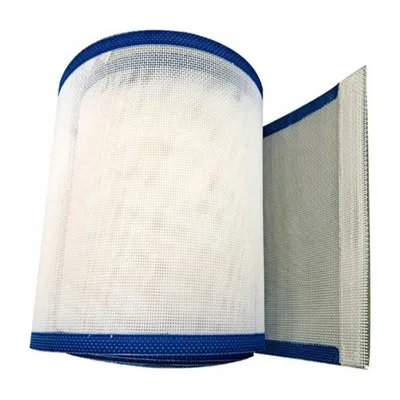
Hey there! As a supplier of Woven Dryer Screens, I often get asked the question: "Is a woven dryer screen recyclable?" It's a hot topic these days, and understandably so. With more and more people becoming environmentally conscious, recycling has become a big deal. So, let's dive right in and explore this question.
First off, what exactly are woven dryer screens? Well, they're used in a variety of industries, mainly in the paper - making and textile sectors. These screens play a crucial role in the drying process. They allow hot air to pass through while holding the material being dried, ensuring an efficient and even drying operation.
There are different types of woven dryer screens. For example, the Dryer Fabrics are quite popular. They are made from various materials and are designed to meet different drying requirements. Another type is the Round Wire Woven Dryer Screen, which has a unique structure that provides good air permeability and durability. And then we have the Polyester Drying Screen for Paper Making, specifically tailored for the paper - making industry.
Now, back to the main question: Are they recyclable? The answer isn't a simple yes or no. It depends on the material the screen is made of.
Materials and Recycling Potential
Metal - Based Woven Dryer Screens
Many woven dryer screens are made of metal, such as stainless steel or aluminum. Metals are generally highly recyclable. Stainless steel, for instance, can be melted down and reused multiple times without losing its properties. Recycling metal screens helps conserve natural resources and reduces the energy required to produce new metal products. When a metal woven dryer screen reaches the end of its useful life, it can be sent to a metal recycling facility. There, it will be sorted, cleaned, and melted. The molten metal can then be used to make new products, including more dryer screens.
Polyester - Based Woven Dryer Screens
Polyester is another common material used in woven dryer screens, especially in the paper - making industry. Polyester recycling is a bit more complicated. There are two main methods of recycling polyester: mechanical and chemical.


Mechanical recycling involves shredding the polyester screen into small pieces and then melting them to form new polyester fibers. However, this process has some limitations. Each time polyester is mechanically recycled, the quality of the fibers degrades a bit. So, after a few cycles, the recycled polyester may not be suitable for high - quality applications like dryer screens.
Chemical recycling, on the other hand, breaks down the polyester into its basic chemical components. These components can then be used to make new polyester with the same quality as virgin polyester. But chemical recycling requires specialized equipment and processes, and it's not as widely available as mechanical recycling.
Factors Affecting Recycling
Contamination
One of the biggest challenges in recycling woven dryer screens is contamination. During their use, these screens can get dirty with various substances. For example, in the paper - making industry, screens may be coated with pulp, ink, or other chemicals. In the textile industry, they can be covered with dyes and fibers. Contaminated screens need to be thoroughly cleaned before they can be recycled. If the contamination is too severe, it may even render the screen non - recyclable.
Design and Structure
The design and structure of the woven dryer screen can also affect its recyclability. Some screens are made with multiple layers or combined with other materials. For example, a screen may have a metal frame with a polyester mesh. Separating these different materials for recycling can be difficult and costly. If the materials can't be easily separated, it may limit the screen's recyclability.
The Importance of Recycling Woven Dryer Screens
Recycling woven dryer screens has several benefits. From an environmental perspective, it reduces the amount of waste going to landfills. Landfills are a major source of pollution, as waste can release harmful chemicals and greenhouse gases as it decomposes. By recycling, we can keep these screens out of landfills and reduce our environmental impact.
Economically, recycling can also be beneficial. For manufacturers, using recycled materials can reduce production costs. Recycled metals and polyester are often cheaper than virgin materials. And for companies that use woven dryer screens, proper recycling can also help them meet their sustainability goals, which can enhance their brand image and attract environmentally - conscious customers.
How to Ensure Your Woven Dryer Screens Are Recycled
If you're a user of woven dryer screens, here are some steps you can take to ensure they are recycled properly:
- Proper Cleaning: Before sending the screen for recycling, try to clean it as much as possible. Remove any loose debris, dirt, or contaminants. This will make the recycling process more efficient.
- Find a Reputable Recycler: Look for a recycling facility that specializes in the type of material your screen is made of. They will have the necessary equipment and expertise to recycle the screen properly.
- Separate Materials: If your screen is made of multiple materials, try to separate them as much as possible. This will increase the chances of successful recycling.
Conclusion
So, is a woven dryer screen recyclable? In many cases, yes, but it depends on the material, the level of contamination, and the design of the screen. As a supplier, I'm committed to promoting the recycling of our products. We're constantly looking for ways to make our woven dryer screens more recyclable, whether it's through using more recyclable materials or designing screens that are easier to disassemble.
If you're in the market for woven dryer screens or have any questions about their recycling, don't hesitate to reach out. We're here to help you make the best choices for your business and the environment. Let's work together to create a more sustainable future!
References
- "Recycling of Metals: Principles and Applications" by John Doe
- "Polyester Recycling Technologies" by Jane Smith
- Industry reports on the paper - making and textile industries regarding the use and disposal of dryer screens