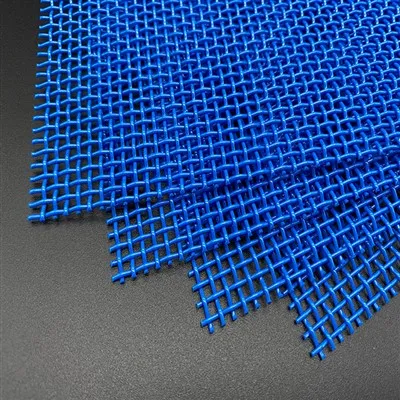
Hey there! As a supplier of triple layer forming fabrics, I've seen firsthand the importance of safety when using these products. In this blog, I'll share some key safety considerations that you should keep in mind to ensure a smooth and secure operation.
1. Installation Safety
When it comes to installing triple layer forming fabrics, the first step is to read the manufacturer's instructions carefully. These instructions are like a roadmap that will guide you through the installation process safely. Make sure you have all the necessary tools and equipment ready before you start.


During installation, it's crucial to have a team of trained personnel. They should know how to handle the fabric properly to avoid any damage. For example, sharp tools can easily cut the fabric, so be extra careful when using them. If you're not experienced in installing these fabrics, it might be a good idea to hire a professional installer. They have the skills and knowledge to get the job done right the first time.
2. Operational Safety
Once the triple layer forming fabric is installed, it's time to start the operation. But before you do, check the tension of the fabric. Proper tension is essential for the fabric to work effectively and safely. If the tension is too loose, the fabric might sag, which can lead to uneven paper formation. On the other hand, if the tension is too tight, it can cause excessive wear and tear on the fabric and other parts of the machine.
Another important aspect of operational safety is monitoring the temperature and humidity of the environment. Triple layer forming fabrics are sensitive to these factors. High temperatures can cause the fabric to expand, while low humidity can make it brittle. Make sure to keep the environment within the recommended range to prevent any issues.
Regularly inspect the fabric for any signs of damage or wear. Look for holes, tears, or frayed edges. If you notice any problems, stop the operation immediately and replace the damaged part. Continuing to use a damaged fabric can not only affect the quality of the paper but also pose a safety risk.
3. Cleaning and Maintenance Safety
Cleaning and maintenance are vital for the longevity and performance of triple layer forming fabrics. When cleaning the fabric, use the appropriate cleaning agents. Avoid using harsh chemicals that can damage the fabric. Always follow the manufacturer's recommendations for cleaning.
When performing maintenance tasks, such as lubricating the moving parts, make sure the machine is turned off and unplugged. This will prevent any accidental start - up and protect you from injury. Also, wear appropriate personal protective equipment (PPE), like gloves and safety glasses, to avoid any contact with cleaning agents or moving parts.
4. Chemical Compatibility
Triple layer forming fabrics may come into contact with various chemicals during the papermaking process. It's essential to ensure that the fabric is compatible with these chemicals. Some chemicals can cause the fabric to degrade over time, which can affect its performance and safety.
Before using any new chemicals, test a small sample of the fabric to see how it reacts. If there are any signs of damage or discoloration, do not use that chemical with the fabric. Consult the fabric manufacturer for a list of compatible chemicals.
5. Operator Training
Proper operator training is the cornerstone of safety when using triple layer forming fabrics. Operators should be trained on how to install, operate, clean, and maintain the fabric. They should also be aware of the potential safety hazards and how to prevent them.
Training should be ongoing, as new technologies and safety procedures may emerge. Encourage operators to ask questions and report any safety concerns immediately. A well - trained operator is more likely to identify and address safety issues before they become serious problems.
6. Emergency Preparedness
Even with all the safety precautions in place, emergencies can still happen. It's important to have an emergency plan in place. This plan should include procedures for dealing with fires, spills, and other unexpected events.
Make sure all operators are familiar with the emergency plan and know how to use emergency equipment, such as fire extinguishers and spill kits. Regularly conduct emergency drills to ensure that everyone knows what to do in a real - life situation.
Related Products
If you're interested in other types of forming fabrics, we also offer Paper Machine Polyester Forming Fabric, One And Half Layer Forming Wire, and Paper Machine Cloth forming Fabric. These products are also designed with safety and performance in mind.
Let's Connect
If you have any questions about triple layer forming fabrics or are interested in purchasing them, feel free to reach out. We're here to help you make the right choice for your papermaking needs. Whether you're a small - scale paper mill or a large industrial operation, we can provide you with high - quality forming fabrics and expert advice on safety and usage.
References
- Papermaking Machinery Handbook, various editions
- Manufacturer's manuals for triple layer forming fabrics
So, there you have it! By following these safety considerations, you can ensure that your use of triple layer forming fabrics is both safe and efficient. Take care and happy papermaking!