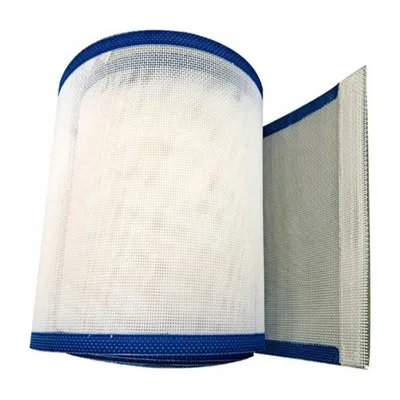
Anti-static filter fabric is a specialized material designed to prevent the buildup and discharge of static electricity, which can be particularly useful in various industrial applications. As a supplier of anti-static filter fabric, I have a deep understanding of its properties, applications, and limitations. While this fabric offers many benefits, it also has several disadvantages that potential buyers should be aware of.
Limited Chemical Resistance
One of the primary disadvantages of anti-static filter fabric is its limited chemical resistance. Many anti-static fabrics are made from synthetic materials such as polyester, which can be susceptible to damage from certain chemicals. For example, strong acids, bases, and solvents can degrade the fabric's fibers, reducing its effectiveness as a filter and shortening its lifespan.
In industrial settings where exposure to chemicals is common, this can be a significant drawback. For instance, in chemical processing plants or laboratories, the anti-static filter fabric may need to be replaced more frequently due to chemical damage. This not only increases the cost of operation but also disrupts the production process. To mitigate this issue, some manufacturers offer anti-static filter fabrics with enhanced chemical resistance, but these options are often more expensive.
Higher Cost
Anti-static filter fabric typically comes with a higher price tag compared to regular filter fabrics. The additional cost is mainly due to the specialized manufacturing processes and materials used to achieve the anti-static properties. The incorporation of conductive fibers or coatings adds to the production complexity, which in turn drives up the cost.
For businesses on a tight budget, the higher cost of anti-static filter fabric can be a deterrent. They may be forced to compromise on the quality of the filter or look for alternative solutions that do not provide the same level of static protection. However, it's important to note that in some applications where static electricity can cause significant problems, such as in the electronics industry, the investment in anti-static filter fabric may be justified to prevent costly damage to sensitive equipment.
Reduced Air Permeability
Another drawback of anti-static filter fabric is its reduced air permeability. The anti-static treatments, such as conductive coatings or the addition of conductive fibers, can create a barrier that restricts the flow of air through the fabric. This can be a problem in applications where good air circulation is essential, such as in ventilation systems or air filters.
Reduced air permeability can lead to increased pressure drop across the filter, which means that more energy is required to push air through the system. This not only increases energy consumption but also puts additional strain on the fans and other equipment in the ventilation system. In some cases, the reduced air flow can also affect the performance of the equipment or process that relies on proper air circulation.
Difficulty in Cleaning
Cleaning anti-static filter fabric can be more challenging compared to regular filter fabrics. The anti-static treatments can make the fabric more sensitive to certain cleaning agents and methods. For example, abrasive cleaning materials or harsh chemicals can damage the conductive properties of the fabric, rendering it less effective at preventing static buildup.
In addition, the dirt and debris that accumulate on the fabric can be more difficult to remove due to the static charge. The static electricity can attract and hold onto particles, making them stick to the fabric surface. This can require more frequent and thorough cleaning, which can be time-consuming and costly.
Limited Temperature Range
Anti-static filter fabric may have a limited temperature range within which it can operate effectively. Extreme temperatures can affect the performance of the conductive materials used in the fabric, reducing its anti-static properties. For example, high temperatures can cause the conductive fibers to expand or melt, while low temperatures can make the fabric more brittle and prone to cracking.
In applications where the temperature fluctuates widely, such as in outdoor environments or industrial processes with high heat generation, this limitation can be a significant issue. The anti-static filter fabric may need to be replaced more frequently to ensure that it continues to provide adequate static protection.
Compatibility Issues
When using anti-static filter fabric, compatibility with other materials in the system is an important consideration. The conductive properties of the fabric can interact with other components, such as metals or plastics, in unexpected ways. For example, the static charge on the fabric may cause it to attract or repel other materials, leading to issues such as clogging or damage to the equipment.
In some cases, the anti-static filter fabric may also be incompatible with certain lubricants or cleaning agents used in the system. This can require careful selection of the materials and processes to ensure that there are no compatibility issues. Failure to address these compatibility issues can result in reduced performance and increased maintenance costs.
Environmental Impact
The production and disposal of anti-static filter fabric can have a negative environmental impact. The manufacturing processes often involve the use of chemicals and energy-intensive procedures, which contribute to pollution and resource depletion. In addition, the disposal of used anti-static filter fabric can be a challenge, as it may contain hazardous materials such as conductive coatings or chemicals.
As environmental concerns become more prominent, businesses are increasingly looking for sustainable solutions. However, finding eco-friendly anti-static filter fabric options can be difficult, as most of the available products are not designed with environmental sustainability in mind.
Conclusion
While anti-static filter fabric offers valuable protection against static electricity, it also has several disadvantages that need to be considered. The limited chemical resistance, higher cost, reduced air permeability, difficulty in cleaning, limited temperature range, compatibility issues, and environmental impact are all factors that potential buyers should take into account when choosing a filter fabric.
As a supplier of anti-static filter fabric, I understand the importance of providing customers with accurate information about the product's advantages and disadvantages. We offer a range of anti-static filter fabric products, including Antistatic Filter Fabric Belt for Density Board Production, Polyester Anti-Static Filter Press Fabric, and Fibreboard Polyester Dry Anti-static Wire Mesh. Our team of experts can help you evaluate your specific needs and recommend the most suitable product for your application.


If you are interested in learning more about our anti-static filter fabric products or have any questions about the disadvantages discussed in this blog, please feel free to contact us for a detailed consultation. We are committed to providing you with the best solutions to meet your filtration needs.
References
- "Handbook of Filter Media" by Klaus K. Schröder
- "Industrial Filtration for Process Engineers" by Steven A. Metzger
- "Static Electricity: From Fundamentals to Applications in Materials and Devices" by Hiroyuki Ohki