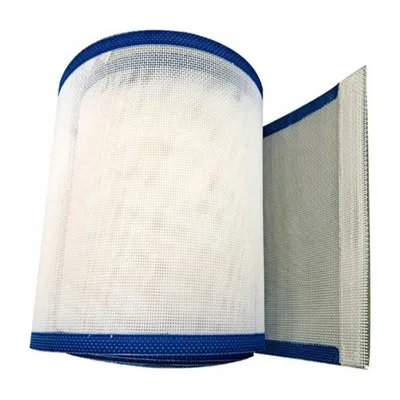
As a supplier of woven dryer screens, I've witnessed firsthand the critical role these components play in various industrial drying processes. Woven dryer screens are designed to withstand specific temperature ranges, but what happens when they're exposed to temperatures above their limits? Let's delve into the potential consequences and implications of such an occurrence.
Structural Integrity Compromised
One of the most immediate effects of exposing a woven dryer screen to temperatures beyond its limit is the compromise of its structural integrity. The materials used in the construction of these screens, whether it's metal alloys, polymers, or composite materials, have specific melting points and thermal expansion coefficients. When the temperature exceeds the recommended range, the screen may start to deform, warp, or even melt.
For instance, metal screens made from stainless steel or aluminum have a certain threshold of heat resistance. If the temperature rises too high, the metal can soften and lose its shape, causing the screen to sag or become misaligned. This not only affects the performance of the dryer but also poses a safety risk as the deformed screen may come into contact with other components or cause blockages in the drying system.


Polymers, such as those used in Polyester Dryer Screen, are also susceptible to thermal degradation. At elevated temperatures, polymers can break down, losing their strength and flexibility. This can lead to the formation of cracks or holes in the screen, allowing the material being dried to pass through or causing uneven drying patterns.
Reduced Efficiency and Performance
Beyond the structural damage, exposing a woven dryer screen to excessive temperatures can significantly reduce its efficiency and performance. The screen is designed to provide a uniform airflow and distribution of heat, ensuring that the material being dried is processed evenly. When the screen is damaged or deformed, the airflow can be disrupted, leading to uneven drying and longer processing times.
In addition, the compromised screen may not be able to hold the material being dried effectively, causing it to fall through or accumulate in certain areas. This can result in clogs and blockages, further reducing the efficiency of the dryer and potentially causing damage to other components.
Increased Maintenance and Replacement Costs
The damage caused by exposing a woven dryer screen to temperatures above its limit often requires extensive maintenance or replacement. Repairing a deformed or damaged screen can be a time-consuming and costly process, especially if the screen needs to be custom-made or if specialized tools and equipment are required.
In some cases, it may be more cost-effective to replace the entire screen rather than attempting to repair it. This not only adds to the upfront costs but also results in downtime for the dryer, impacting production schedules and profitability.
Safety Hazards
Exceeding the temperature limits of a woven dryer screen can also pose significant safety hazards. As mentioned earlier, the deformed screen may come into contact with other components or cause blockages, increasing the risk of fires or explosions. In addition, the release of toxic fumes or gases from the thermal degradation of polymers can pose a health risk to workers in the area.
Prevention and Mitigation Strategies
To avoid the potential consequences of exposing a woven dryer screen to temperatures above its limit, it's essential to implement proper prevention and mitigation strategies. Here are some key steps that can be taken:
- Monitor Temperature: Install temperature sensors in the dryer to continuously monitor the temperature and ensure that it stays within the recommended range. Set up alarms to alert operators if the temperature exceeds the limit.
- Choose the Right Screen: Select a woven dryer screen that is specifically designed for the temperature requirements of your drying process. Consider factors such as the type of material being dried, the drying temperature, and the airflow rate when choosing a screen.
- Regular Maintenance: Conduct regular inspections and maintenance of the dryer and the woven dryer screen to identify any signs of damage or wear. Replace the screen as recommended by the manufacturer to ensure optimal performance.
- Training and Education: Provide training and education to operators on the proper use and maintenance of the dryer and the woven dryer screen. Make sure they understand the importance of monitoring the temperature and following the recommended operating procedures.
Conclusion
Exposing a woven dryer screen to temperatures above its limit can have serious consequences for the performance, efficiency, and safety of your drying process. As a supplier of Spiral Dryer Mesh Belt, Polyester Dryer Screen, and Paper Machine Clothing Woven Dryer Fabrics, I understand the importance of choosing the right screen and maintaining it properly.
If you're experiencing issues with your woven dryer screen or need help selecting the right screen for your application, don't hesitate to contact us. Our team of experts is available to provide you with the guidance and support you need to ensure the optimal performance of your drying process.
References
- "Thermal Degradation of Polymers" - Polymer Science and Engineering Handbook
- "Industrial Drying Processes and Equipment" - Chemical Engineering Journal
- "Safety Guidelines for Industrial Dryers" - Occupational Safety and Health Administration (OSHA)