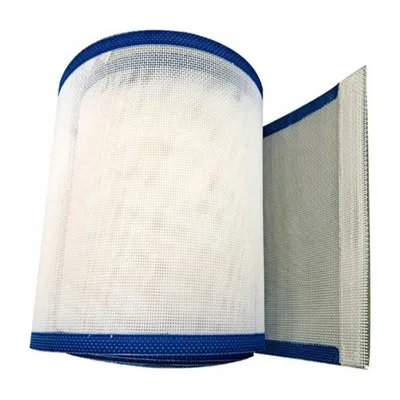
Desulfurization is a crucial process in various industries, especially in power generation, metallurgy, and chemical manufacturing, to reduce the emission of sulfur dioxide (SO₂), a major air pollutant. The desulfurization system plays a vital role in achieving environmental compliance and protecting the atmosphere. Among the key components of a desulfurization system, desulfurization filter cloth stands out as an essential element that significantly impacts the overall performance of the system. As a desulfurization filter cloth supplier, I am well - versed in the importance of this product and its influence on the desulfurization process.
The Function of Desulfurization Filter Cloth in the System
Desulfurization filter cloth serves multiple functions within the desulfurization system. Its primary role is to separate solid particles from the liquid phase in the desulfurization slurry. During the desulfurization process, flue gas containing sulfur dioxide is treated with an absorbent, usually limestone or lime, in a scrubber. This reaction produces a slurry that contains calcium sulfite or calcium sulfate solids, along with unreacted absorbent and other impurities. The desulfurization filter cloth acts as a physical barrier, allowing the liquid to pass through while retaining the solid particles.
The filtration efficiency of the filter cloth is of utmost importance. A high - quality filter cloth can effectively capture fine particles, ensuring that the filtrate is clean and free of excessive solids. This is crucial for the subsequent treatment and disposal of the filtrate. For example, in a wet desulfurization system, the clean filtrate can be recycled back into the system, reducing water consumption and operating costs.
Another function of the desulfurization filter cloth is to provide support for the filter cake. As the solid particles accumulate on the surface of the filter cloth, they form a filter cake. The filter cloth must be strong enough to withstand the pressure exerted by the cake and prevent it from collapsing or breaking through. A well - designed filter cloth can maintain the integrity of the filter cake, which in turn improves the filtration efficiency and the quality of the filtrate.
Impact on System Efficiency
The choice of desulfurization filter cloth has a direct impact on the efficiency of the entire desulfurization system. A filter cloth with a high permeability allows for a faster flow of the slurry through the filter, reducing the filtration time and increasing the throughput of the system. This means that more slurry can be processed in a given period, improving the overall productivity of the desulfurization unit.
On the other hand, a filter cloth with poor permeability can cause a significant drop in system efficiency. It may lead to longer filtration cycles, increased energy consumption, and reduced throughput. For instance, if the filter cloth becomes clogged with solids, the pressure drop across the filter will increase, requiring more energy to pump the slurry through the filter. This not only increases the operating costs but also puts additional stress on the equipment, potentially leading to premature failure.
The durability of the desulfurization filter cloth also affects system efficiency. A long - lasting filter cloth can operate for an extended period without frequent replacement, minimizing downtime for maintenance and replacement. This is particularly important in large - scale desulfurization plants where any interruption in the operation can result in significant losses. High - quality filter cloths are made from materials that are resistant to abrasion, chemical corrosion, and high temperatures, ensuring a long service life and reliable performance.
Impact on Product Quality
The quality of the desulfurization product, such as gypsum, is closely related to the performance of the filter cloth. A good filter cloth can produce a filter cake with a low moisture content and a high purity. In the case of gypsum production, a low - moisture filter cake is easier to handle and transport, and it can be directly used in the production of building materials, such as plasterboard.
The particle size distribution of the captured solids also affects the product quality. A filter cloth that can selectively capture particles of a certain size range can produce a more uniform filter cake, which is beneficial for the subsequent processing of the product. For example, in the production of high - grade gypsum, a filter cloth that can effectively remove fine impurities can improve the whiteness and strength of the final product.


Impact on System Maintenance
Proper selection of desulfurization filter cloth can significantly reduce the maintenance requirements of the desulfurization system. A filter cloth that is resistant to fouling and clogging requires less frequent cleaning and replacement. This reduces the labor and material costs associated with maintenance and also minimizes the impact on the environment.
In addition, a high - quality filter cloth can reduce the wear and tear on other components of the desulfurization system. For example, if the filter cloth can effectively remove abrasive particles from the slurry, it can protect the pumps, valves, and pipes from damage, extending their service life and reducing the frequency of repairs.
Our Product Offerings
As a desulfurization filter cloth supplier, we offer a wide range of products to meet the diverse needs of our customers. Our Vacuum Filter Cloth for Tailings Dry Discharge is designed for applications where high - efficiency solid - liquid separation is required. It is made from high - strength polyester fibers that provide excellent chemical resistance and mechanical properties.
Our Polyester Desulfurization Mesh Belt is another popular product. It is suitable for large - scale desulfurization plants and offers a high filtration area and a long service life. The mesh structure of the belt ensures uniform flow distribution and efficient filtration.
We also provide Vacuum Filter Cloth Polyester Mesh Belts that are designed for specific applications, such as vacuum filtration. These belts are available in different pore sizes and configurations to meet the specific requirements of the desulfurization process.
Conclusion
In conclusion, the desulfurization filter cloth has a profound impact on the overall desulfurization system. It affects the system efficiency, product quality, and maintenance requirements. As a desulfurization filter cloth supplier, we understand the importance of providing high - quality products that meet the specific needs of our customers. Our products are designed to improve the performance of the desulfurization system, reduce operating costs, and ensure environmental compliance.
If you are interested in our desulfurization filter cloth products or have any questions about their application in your desulfurization system, please feel free to contact us for a detailed discussion and procurement negotiation. We are committed to providing you with the best solutions and excellent customer service.
References
- "Handbook of Industrial and Hazardous Wastes Treatment" by James A. Salvato, et al.
- "Air Pollution Control Engineering" by David A. Vallero.
- "Filtration and Separation: A Practical Approach" by Peter A. Wakeman and Alastair S. Tarleton.