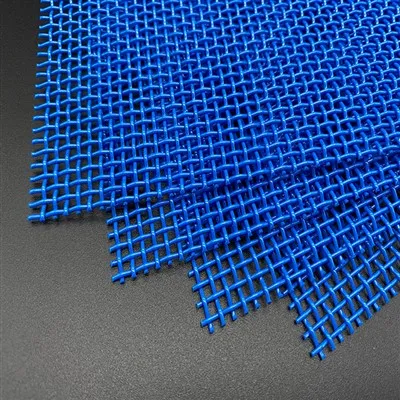
Hey there, folks! As a supplier of anti-static filter fabric, I often get asked about the materials used to make these nifty products. So, I thought I'd take a moment to break it down for you.
Polyester: The Workhorse of Anti-Static Filter Fabric
One of the most common materials used in anti-static filter fabric is polyester. Polyester is a synthetic polymer that's known for its durability, strength, and resistance to chemicals and abrasion. It's also relatively inexpensive, which makes it a popular choice for a wide range of applications.
When it comes to anti-static properties, polyester can be treated with special additives or finishes to make it conductive. These additives or finishes help to dissipate static electricity, preventing it from building up on the surface of the fabric. This is particularly important in environments where static electricity can cause problems, such as in electronics manufacturing, pharmaceuticals, or food processing.
At our company, we offer a variety of Polyester Anti-Static Fabrics that are designed to meet the specific needs of our customers. Our polyester anti-static fabrics are available in different weights, weaves, and colors, and can be customized to fit your exact specifications.
Carbon Fibers: Adding Conductivity to the Mix
Another material that's commonly used in anti-static filter fabric is carbon fibers. Carbon fibers are extremely strong and lightweight, and they have excellent electrical conductivity properties. When added to a fabric, carbon fibers can help to create a conductive network that allows static electricity to flow freely through the material.
Carbon fibers are often used in combination with other materials, such as polyester, to create a hybrid fabric that offers the best of both worlds. The polyester provides the strength and durability, while the carbon fibers provide the anti-static properties.
We offer a range of anti-static filter fabrics that incorporate carbon fibers. These fabrics are ideal for applications where high levels of static dissipation are required, such as in cleanrooms or electronic assembly areas. Check out our Anti-static Polyester Screen Mesh, which combines the benefits of polyester and carbon fibers for superior anti-static performance.
Metallic Fibers: A Shiny Solution
Metallic fibers are another option for creating anti-static filter fabric. Metals, such as stainless steel or aluminum, are excellent conductors of electricity, and when woven into a fabric, they can provide effective static dissipation.


Metallic fibers offer several advantages over other anti-static materials. They are highly durable and resistant to wear and tear, and they can withstand high temperatures and harsh chemicals. They also have a shiny appearance, which can be aesthetically pleasing in some applications.
However, metallic fibers can be more expensive than other materials, and they may not be suitable for all applications. They can also be heavier and less flexible than some other fabrics, which can limit their use in certain situations.
We have some great options in Anti-static Mash Belt that utilize metallic fibers for anti-static protection. These belts are perfect for conveyor systems and other industrial applications where static control is crucial.
Blends and Composites: Combining the Best of Everything
In many cases, the best anti-static filter fabric is one that combines multiple materials. Blending different fibers or creating composite fabrics allows manufacturers to take advantage of the unique properties of each material, resulting in a fabric that offers superior performance.
For example, a blend of polyester and carbon fibers can provide a fabric that is both strong and conductive. Or, a composite fabric that combines a layer of metallic fibers with a layer of polyester can offer the benefits of both materials in a single product.
At our company, we have the expertise and technology to create custom blends and composites to meet your specific requirements. Whether you need a fabric with high levels of static dissipation, excellent chemical resistance, or a combination of other properties, we can work with you to develop the perfect solution.
Other Considerations
When choosing the materials for an anti-static filter fabric, there are several other factors to consider. These include:
- Filtration Efficiency: The primary function of a filter fabric is to remove particles from a fluid or gas stream. So, it's important to choose a material that has good filtration properties.
- Air Permeability: Depending on the application, the fabric may need to allow air or other fluids to pass through it. So, air permeability is an important consideration.
- Cleanability: In some applications, the fabric may need to be cleaned regularly to maintain its performance. So, it's important to choose a material that is easy to clean.
- Environmental Conditions: The fabric may be exposed to a variety of environmental conditions, such as high temperatures, humidity, or chemicals. So, it's important to choose a material that can withstand these conditions.
Let's Talk
If you're in the market for anti-static filter fabric, we'd love to talk to you. We have a wide range of products available, and we can work with you to find the perfect solution for your needs. Whether you're looking for a standard product or a custom design, we're here to help.
Contact us today to start the conversation. We're confident that we can provide you with high-quality anti-static filter fabric that meets your requirements and exceeds your expectations.
References
- Textile Research Journal. (2020). Advances in anti-static textile materials.
- Industrial Fabrics Association International. (2019). Handbook of Industrial Fabrics.