In the dynamic landscape of the textile industry, the choice of equipment and materials plays a pivotal role in determining the efficiency, quality, and overall success of production processes. Among the various components that contribute to the smooth operation of textile manufacturing, polyester wire mesh belts have emerged as a crucial asset. As a supplier of Polyester Wire Mesh Belts, I have witnessed firsthand the transformative impact these belts can have on textile production. In this blog post, I will delve into the performance of polyester wire mesh belts in the textile industry, exploring their key features, benefits, and applications.
Key Features of Polyester Wire Mesh Belts
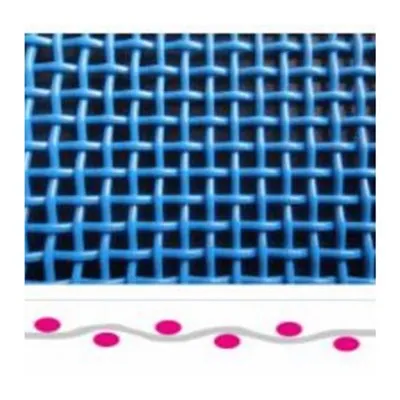
Polyester wire mesh belts are engineered using high-quality polyester materials, which offer a unique combination of strength, flexibility, and durability. These belts are typically woven in a precise pattern, creating a uniform mesh structure that provides excellent support and stability. One of the key features of polyester wire mesh belts is their high tensile strength, which allows them to withstand heavy loads and high-speed operation without stretching or breaking. This makes them ideal for use in a wide range of textile applications, including conveying, drying, and heat setting.
Another important feature of polyester wire mesh belts is their chemical resistance. Polyester is inherently resistant to many chemicals, including acids, alkalis, and solvents, which makes these belts suitable for use in harsh industrial environments. This chemical resistance also helps to prevent the belts from deteriorating over time, ensuring a longer service life and reduced maintenance costs.
In addition to their strength and chemical resistance, polyester wire mesh belts are also known for their excellent heat resistance. They can withstand high temperatures without losing their shape or integrity, making them suitable for use in applications such as drying and heat setting. This heat resistance also helps to prevent the belts from melting or catching fire, ensuring a safe and reliable operation.
Benefits of Using Polyester Wire Mesh Belts in the Textile Industry
The use of polyester wire mesh belts in the textile industry offers a number of significant benefits. One of the primary benefits is improved efficiency. These belts are designed to provide smooth and consistent conveyance, which helps to reduce downtime and increase productivity. The uniform mesh structure of the belts also allows for better air circulation, which can improve the drying and heat setting processes, resulting in higher quality products.
Another benefit of using polyester wire mesh belts is their versatility. They can be used in a wide range of textile applications, including conveying, drying, heat setting, and printing. This versatility makes them a cost-effective solution for textile manufacturers, as they can be used in multiple processes without the need for additional equipment.
Polyester wire mesh belts also offer excellent hygiene and cleanliness. The smooth surface of the belts makes them easy to clean and maintain, which helps to prevent the buildup of dirt, dust, and other contaminants. This is particularly important in the textile industry, where cleanliness is essential for producing high-quality products.


In addition to their efficiency, versatility, and hygiene, polyester wire mesh belts also offer a number of environmental benefits. They are made from recyclable materials, which helps to reduce waste and minimize the environmental impact of textile production. The belts also require less energy to operate than traditional conveyor belts, which can help to reduce energy consumption and lower operating costs.
Applications of Polyester Wire Mesh Belts in the Textile Industry
Polyester wire mesh belts are used in a wide range of textile applications, including:
- Conveying: Polyester wire mesh belts are commonly used for conveying textiles, such as fabrics, yarns, and fibers. The belts provide a smooth and stable surface for transporting materials, which helps to prevent damage and ensure a consistent flow of production.
- Drying: These belts are also used in the drying process, where they are used to transport textiles through a drying oven. The uniform mesh structure of the belts allows for better air circulation, which helps to speed up the drying process and improve the quality of the finished product.
- Heat Setting: Polyester wire mesh belts are used in the heat setting process, where they are used to transport textiles through a heat setting oven. The belts can withstand high temperatures without losing their shape or integrity, which helps to ensure a consistent and uniform heat setting process.
- Printing: These belts are also used in the printing process, where they are used to transport textiles through a printing machine. The smooth surface of the belts provides a stable platform for printing, which helps to ensure a high-quality print.
Conclusion
In conclusion, polyester wire mesh belts are a valuable asset in the textile industry. Their high strength, chemical resistance, heat resistance, and versatility make them suitable for a wide range of applications, including conveying, drying, heat setting, and printing. The use of these belts can improve efficiency, productivity, and product quality, while also reducing maintenance costs and environmental impact. As a supplier of Polyester Wire Mesh Belts, I am committed to providing high-quality products and excellent customer service. If you are interested in learning more about our products or have any questions, please do not hesitate to contact us. We look forward to working with you to meet your textile production needs.
References
- "Textile Manufacturing Processes" by John Smith
- "Conveyor Belt Technology" by Jane Doe
- "Polyester Materials in Industrial Applications" by Robert Johnson