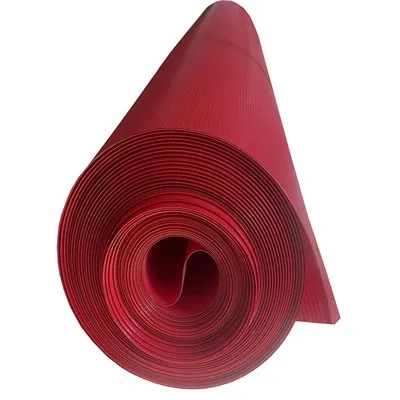
Hey there! I'm a supplier of Vacuum Filter Belt Polyester, and today I'm gonna share with you how to design a filtration system using a vacuum filter belt polyester. It's gonna be a fun and informative ride, so let's dive right in!
Understanding the Basics of Vacuum Filter Belt Polyester
First off, let's talk a bit about what Vacuum Filter Belt Polyester is. It's a type of filter belt made from polyester material, which has some really cool properties. Polyester is known for its high strength, good chemical resistance, and durability. These features make it a great choice for filtration systems in various industries.
If you're interested in learning more about Vacuum Filter Belt Polyester, you can check out this link: Vacuum Filter Belt Polyester. It has all the details about the product, including its specifications and applications.
Step 1: Define Your Filtration Needs
The first step in designing a filtration system is to figure out what you need to filter. Are you dealing with solid particles, liquids, or a combination of both? What's the size of the particles you need to remove? How much flow rate do you require? These are all important questions to answer.
For example, if you're working in a chemical plant and need to filter out small solid particles from a liquid, you'll need a filter belt with a fine mesh size. On the other hand, if you're dealing with larger particles, a coarser mesh might be sufficient.
Step 2: Choose the Right Vacuum Filter Belt Polyester
Once you've defined your filtration needs, it's time to choose the right Vacuum Filter Belt Polyester. There are different types of polyester filter belts available, each with its own characteristics.
Some factors to consider when choosing a filter belt include:
- Mesh size: As mentioned earlier, the mesh size determines the size of the particles that can pass through the filter belt. A smaller mesh size will filter out smaller particles, but it may also reduce the flow rate.
- Thickness: The thickness of the filter belt can affect its durability and filtration efficiency. A thicker belt may be more durable but may also have a lower flow rate.
- Chemical resistance: If you're working with chemicals, you need to make sure the filter belt is resistant to those chemicals. Polyester is generally resistant to many chemicals, but it's still important to check the specifications.
If you're specifically looking for a filter belt for desulfurization, you might be interested in Desulfurization Filter Cloth. It's designed to meet the specific requirements of desulfurization processes.
Step 3: Design the Filtration System Layout
Now that you've chosen the right filter belt, it's time to design the layout of your filtration system. Here are some key considerations:
- Vacuum source: You'll need a vacuum source to create the suction that pulls the liquid through the filter belt. The size and capacity of the vacuum source will depend on the flow rate and pressure requirements of your system.
- Filter housing: The filter housing is where the filter belt is installed. It should be designed to hold the filter belt securely and allow for easy replacement.
- Feed system: The feed system is responsible for delivering the liquid to be filtered to the filter belt. It should be designed to ensure a uniform flow of liquid across the filter belt.
- Discharge system: The discharge system is used to remove the filtered liquid and the collected solids from the filter belt. It should be designed to prevent clogging and ensure efficient operation.
Step 4: Install and Test the Filtration System
Once you've designed the filtration system layout, it's time to install the system. Make sure to follow the manufacturer's instructions carefully and use the appropriate tools and equipment.
After installation, it's important to test the system to make sure it's working properly. Check for any leaks, make sure the vacuum source is operating at the correct pressure, and monitor the flow rate and filtration efficiency.
Step 5: Maintain and Optimize the Filtration System
To ensure the long-term performance of your filtration system, it's important to maintain and optimize it regularly. Here are some tips:
- Clean the filter belt: Over time, the filter belt will become clogged with particles. Regularly cleaning the filter belt will help maintain its filtration efficiency.
- Replace the filter belt: Eventually, the filter belt will wear out and need to be replaced. Make sure to replace the filter belt at the recommended intervals to ensure optimal performance.
- Monitor the system: Regularly monitor the performance of the filtration system, including the flow rate, pressure, and filtration efficiency. If you notice any changes or problems, take appropriate action.
If you're looking for a high-quality polyester vacuum filter belt for flue gas desulfurization (FGD), you can check out Polyester Vacuum Filter Belt for Fgd. It's specifically designed for FGD applications and offers excellent performance.
Conclusion
Designing a filtration system using a vacuum filter belt polyester is a complex process, but with the right knowledge and tools, it can be done successfully. By following the steps outlined in this blog post, you can design a filtration system that meets your specific needs and provides efficient and reliable filtration.


If you're interested in purchasing Vacuum Filter Belt Polyester or have any questions about designing a filtration system, feel free to contact us. We're here to help you find the right solution for your filtration needs.
References
- "Filtration Handbook" by Peter A. Schweitzer
- "Industrial Filtration Handbook" by Richard Wakeman and Paul Tarleton