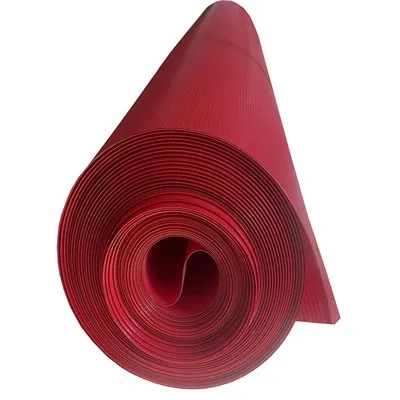
Hey there! As a supplier of Woven Press Filter Belts, I've been in the thick of the filtration game for quite a while. And one thing that keeps coming up in our discussions with customers is chemical resistance. So, let's dig into what the role of chemical resistance is in woven press filter belts.
First off, let's understand what we're talking about when we say "chemical resistance." In simple terms, it's the ability of the filter belt to withstand the effects of various chemicals without degrading or losing its performance. This is super important because in many industrial applications, the materials being filtered often contain chemicals that can be pretty harsh.
Imagine you're in a wastewater treatment plant. The water you're trying to clean might have all sorts of chemicals in it, like acids, alkalis, and solvents. If your press filter belt isn't chemically resistant, these chemicals can break down the fibers of the belt over time. This can lead to a whole bunch of problems. For example, the belt might start to tear or develop holes, which means it won't be able to filter the materials effectively. And that's a big no - no when you're trying to treat large volumes of wastewater.
In the mining industry, chemical resistance is also crucial. Mining operations often use chemicals to extract valuable minerals from the ore. These chemicals can be highly corrosive. A woven press filter belt with good chemical resistance can handle these harsh substances, ensuring that the filtration process runs smoothly. It can prevent the belt from becoming brittle or losing its strength, which could otherwise result in costly downtime for maintenance or replacement.
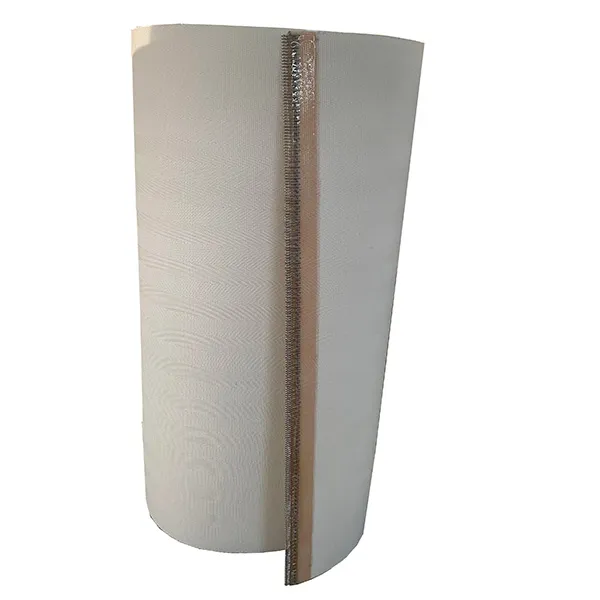
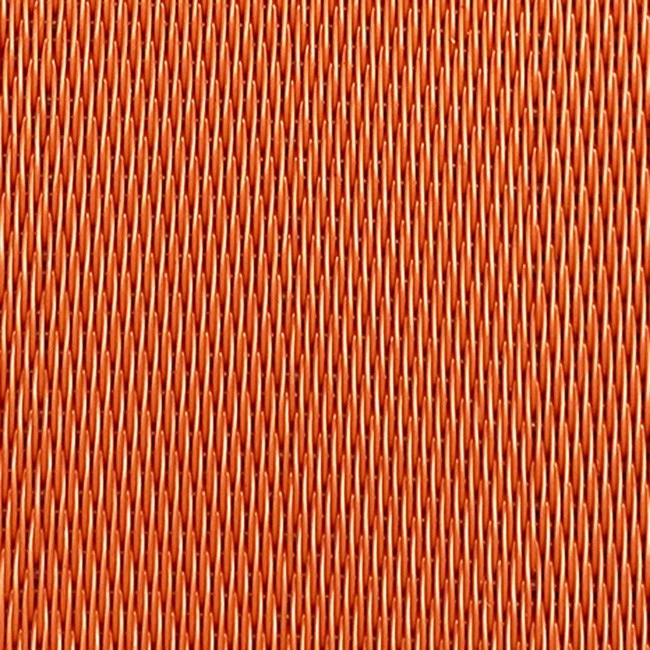
Now, let's talk about the different types of chemicals and how they can affect the filter belt. Acids are one of the most common chemicals that can cause problems. Strong acids can react with the fibers of the belt, weakening them and causing them to break down. For example, sulfuric acid is a very strong acid that can eat away at many types of materials. If a press filter belt isn't resistant to sulfuric acid, it won't last long in an environment where this acid is present.
Alkalis, on the other hand, can also be a problem. They can cause the fibers of the belt to swell or become distorted. This can affect the belt's ability to filter properly. For instance, sodium hydroxide is a common alkali used in many industrial processes. A belt that isn't resistant to alkalis might start to lose its shape and functionality when exposed to this chemical.
Solvents are another group of chemicals that can pose a threat. Some solvents can dissolve the fibers of the belt, leading to a complete failure of the filtration system. For example, acetone is a strong solvent that can break down many types of polymers. If a press filter belt is made from a material that isn't resistant to acetone, it will quickly be damaged when in contact with this solvent.
So, how do we ensure that our woven press filter belts have good chemical resistance? Well, it starts with the choice of materials. We use high - quality fibers that are known for their chemical resistance. For example, polyester is a popular choice for press filter belts because it has good resistance to many chemicals. Our Polyester Sludge Dewatering Belt and Polyester Sludge Dewatering Mesh are made from polyester fibers that can withstand a wide range of chemicals.
In addition to the material, the manufacturing process also plays a role. We use advanced techniques to treat the fibers and enhance their chemical resistance. This might involve applying special coatings or treatments to the belt to make it more resistant to chemicals.
Another important aspect is testing. We test our belts thoroughly to ensure that they meet the required standards for chemical resistance. We expose the belts to different chemicals under controlled conditions and measure their performance. This way, we can be confident that our belts will work well in real - world applications.
Let's take a look at some of the benefits of having chemically resistant woven press filter belts. First of all, it reduces the need for frequent belt replacements. Since the belt can withstand the effects of chemicals, it will last longer. This saves you money in the long run because you don't have to keep buying new belts.
It also improves the efficiency of the filtration process. A chemically resistant belt can maintain its shape and performance over time, which means it can filter materials more effectively. This leads to better quality filtrate and higher productivity.
Moreover, it reduces the risk of contamination. If a belt breaks down due to chemical exposure, it can release particles into the filtrate, which can contaminate the final product. A chemically resistant belt helps to prevent this from happening.
If you're in the market for high - quality woven press filter belts with excellent chemical resistance, look no further. Our Polyester Press Filter Fabric is designed to meet the toughest industrial demands. Whether you're in the wastewater treatment, mining, or any other industry that requires filtration, we've got you covered.
If you have any questions or want to discuss your specific needs, feel free to reach out. We're here to help you find the perfect solution for your filtration requirements. Let's work together to ensure that your filtration process runs smoothly and efficiently.
References
- Smith, J. (2018). Chemical Resistance in Industrial Filtration. Journal of Filtration Science.
- Johnson, A. (2019). The Importance of Chemical - Resistant Materials in Press Filter Belts. Industrial Filtration Magazine.