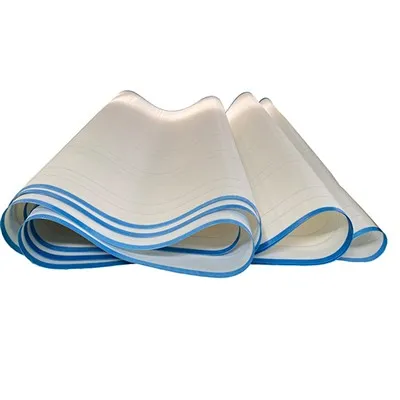
As a supplier of Polyester Sludge Dewatering Belts, I've seen firsthand how the elasticity of these belts can have a huge impact on their use. In this blog, I'll share my insights on how elasticity affects the performance, durability, and overall functionality of these belts.
Understanding Elasticity in Polyester Sludge Dewatering Belts
Elasticity refers to the ability of a material to stretch and then return to its original shape. In the context of polyester sludge dewatering belts, elasticity plays a crucial role in how the belt functions during the dewatering process. A belt with the right amount of elasticity can conform to the shape of the sludge, ensuring efficient water removal and preventing clogging.
Impact on Performance
- Conformability: A belt with good elasticity can easily conform to the shape of the sludge, allowing for better contact between the belt and the sludge. This results in more effective water removal, as the belt can apply pressure evenly across the sludge surface. For example, when dealing with thick or uneven sludge, an elastic belt can mold around the lumps, ensuring that all areas of the sludge are properly dewatered.
- Tension Maintenance: Elasticity helps the belt maintain proper tension during operation. A belt that is too rigid may not be able to adjust to changes in tension, leading to slippage or uneven wear. On the other hand, a belt with appropriate elasticity can stretch and contract as needed, keeping the tension consistent and ensuring smooth operation. This is especially important in continuous dewatering processes, where consistent tension is essential for optimal performance.
- Filtration Efficiency: The elasticity of the belt can also affect its filtration efficiency. An elastic belt can expand and contract during the dewatering process, creating a dynamic filtration environment. This helps to prevent the buildup of solids on the belt surface, allowing for better water flow and more efficient filtration. As a result, the belt can maintain its filtration performance over a longer period of time, reducing the need for frequent cleaning or replacement.
Impact on Durability
- Resistance to Wear and Tear: Elastic belts are generally more resistant to wear and tear than rigid belts. The ability to stretch and flex allows the belt to absorb shocks and stresses during operation, reducing the risk of damage. For example, when the belt is subjected to high pressure or abrasive materials, the elasticity helps to distribute the stress evenly, preventing localized wear and extending the lifespan of the belt.
- Longer Service Life: Due to their resistance to wear and tear, elastic belts typically have a longer service life than rigid belts. This means that customers can save money on replacement costs and reduce downtime associated with belt changes. Additionally, a longer service life also means less waste, which is beneficial for the environment.
- Reduced Maintenance Requirements: Elastic belts require less maintenance than rigid belts. The ability to stretch and flex reduces the likelihood of clogging and blockages, which can lead to costly downtime and maintenance. This makes elastic belts a more cost-effective and reliable option for sludge dewatering applications.
Choosing the Right Elasticity
When choosing a polyester sludge dewatering belt, it's important to consider the specific requirements of your application. The elasticity of the belt should be selected based on factors such as the type of sludge, the dewatering process, and the operating conditions. Here are some tips to help you choose the right elasticity:
- Understand Your Sludge: Different types of sludge have different characteristics, such as viscosity, particle size, and moisture content. These factors can affect the performance of the dewatering belt. For example, if you're dealing with a highly viscous sludge, you may need a belt with higher elasticity to ensure proper conformability.
- Consider the Dewatering Process: The dewatering process you use can also influence the choice of belt elasticity. For example, if you're using a belt filter press, you may need a belt with a specific level of elasticity to ensure proper tension and filtration. On the other hand, if you're using a centrifuge, the belt may need to be more flexible to accommodate the high-speed rotation.
- Evaluate the Operating Conditions: The operating conditions, such as temperature, pressure, and chemical exposure, can also affect the performance of the dewatering belt. For example, if you're operating in a high-temperature environment, you may need a belt with a higher heat resistance and elasticity.
Our Products
At our company, we offer a wide range of Polyester Press Filter Fabric, Polyester Mesh Belts For Belt Filter Press, and Polyester Sludge Dewatering Mesh with different levels of elasticity to meet the diverse needs of our customers. Our belts are made from high-quality polyester materials, which are known for their durability, strength, and chemical resistance.
Contact Us for Procurement
If you're interested in learning more about our polyester sludge dewatering belts or have any questions about the elasticity and its impact on use, please don't hesitate to contact us. We're here to help you find the right belt for your specific application and provide you with the best possible service. Let's work together to achieve efficient and cost-effective sludge dewatering solutions.


References
- Smith, J. (2020). The Role of Elasticity in Sludge Dewatering Belts. Journal of Environmental Engineering, 146(5), 04020032.
- Johnson, R. (2019). Elasticity and Performance of Polyester Filtration Belts. Proceedings of the International Conference on Filtration and Separation, 2019, 234-241.
- Brown, A. (2018). Durability of Elastic Polyester Belts in Sludge Dewatering Applications. Environmental Science and Technology, 52(12), 7012-7020.