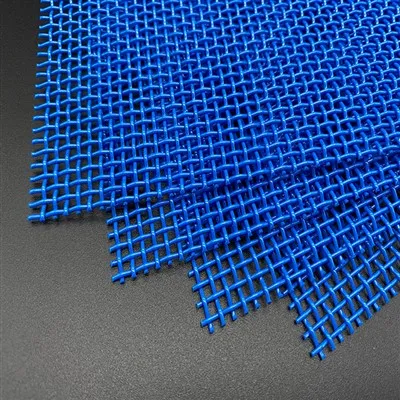
As a supplier of Triple Layer Forming Fabrics, I am often asked about the abrasion resistance of these products. Abrasion resistance is a critical property in the performance of forming fabrics, especially in the paper - making industry where these fabrics are subject to continuous wear and tear. In this blog, I will delve into what abrasion resistance means for triple layer forming fabrics, the factors that influence it, and why it is so important.
What is Abrasion Resistance?
Abrasion resistance refers to the ability of a material to withstand the wearing action caused by friction when it comes into contact with other surfaces. In the context of triple layer forming fabrics, abrasion can occur due to the movement of the fabric over rollers, the contact with the paper pulp, and the mechanical forces exerted during the papermaking process. A fabric with high abrasion resistance will have a longer service life, which is not only cost - effective but also ensures consistent paper quality.
Factors Influencing the Abrasion Resistance of Triple Layer Forming Fabrics
Fiber Material
The choice of fiber material is one of the most significant factors affecting abrasion resistance. Most triple layer forming fabrics are made from synthetic fibers such as polyester. Polyester fibers are known for their high strength, good chemical resistance, and relatively high abrasion resistance. They can withstand the harsh conditions in a paper machine, including high temperatures, moisture, and the presence of chemicals in the pulp.
Some fabrics may also incorporate other types of fibers or additives to enhance abrasion resistance. For example, the addition of aramid fibers can significantly improve the fabric's ability to resist wear, as aramid fibers are extremely strong and have excellent abrasion - resistant properties.
Fabric Structure
The structure of the triple layer forming fabric also plays a crucial role in its abrasion resistance. A well - designed fabric structure can distribute the forces evenly across the fabric, reducing the stress on individual fibers. The triple layer design typically consists of a top layer, a middle layer, and a bottom layer. The top layer is in direct contact with the paper pulp, the middle layer provides support and stability, and the bottom layer runs over the rollers.


A balanced fabric structure ensures that the fabric can withstand the mechanical forces during the papermaking process without excessive wear. For instance, a tight weave in the top layer can protect the underlying layers from abrasion caused by the pulp, while a well - constructed middle and bottom layer can provide the necessary strength and flexibility.
Surface Treatment
Surface treatments can be applied to triple layer forming fabrics to improve their abrasion resistance. These treatments can create a protective layer on the fabric surface, reducing the friction between the fabric and other surfaces. For example, a coating can be applied to the fabric to make it smoother, which in turn reduces the wear caused by contact with rollers and other equipment.
Some surface treatments can also enhance the fabric's resistance to chemicals and moisture, which can indirectly improve its abrasion resistance by preventing damage to the fibers.
Importance of Abrasion Resistance in Triple Layer Forming Fabrics
Cost - Efficiency
One of the main reasons why abrasion resistance is so important is cost - efficiency. A fabric with high abrasion resistance will last longer, reducing the frequency of fabric replacement. This not only saves on the cost of purchasing new fabrics but also reduces the downtime associated with fabric changes. In a paper mill, downtime can be extremely costly, as it disrupts the production process and can lead to lost revenue.
Paper Quality
Abrasion resistance also has a direct impact on paper quality. A worn - out fabric can cause uneven paper formation, leading to defects such as holes, streaks, and uneven thickness. By maintaining good abrasion resistance, the fabric can provide a stable and consistent surface for the paper pulp to form on, resulting in high - quality paper products.
Equipment Protection
The abrasion resistance of the forming fabric also helps to protect the paper - making equipment. A fabric with poor abrasion resistance can cause excessive wear on the rollers and other components of the paper machine. This can lead to increased maintenance costs and a shorter lifespan for the equipment. By using a fabric with high abrasion resistance, the wear and tear on the equipment can be minimized, ensuring its long - term performance.
Our Triple Layer Forming Fabrics
At our company, we take pride in offering high - quality Triple Layer Forming Fabrics with excellent abrasion resistance. Our fabrics are made from premium synthetic fibers and are designed with a well - balanced structure to ensure maximum durability. We also apply advanced surface treatments to further enhance the abrasion resistance of our fabrics.
Our Paper Machine Cloth forming Fabric and Paper Machine Clothing Triple Layer Forming Fabric are widely used in the paper - making industry and have received positive feedback from our customers. We understand the importance of abrasion resistance in the performance of these fabrics, and we are committed to providing products that meet the highest standards.
Contact Us for Purchase and Negotiation
If you are in the market for high - quality triple layer forming fabrics with excellent abrasion resistance, we invite you to contact us for purchase and negotiation. Our team of experts is ready to assist you in selecting the right fabric for your specific needs. Whether you are a small - scale paper mill or a large - scale industrial operation, we can provide you with the solutions you need.
References
- ASTM International. (2019). Standard Test Methods for Abrasion Resistance of Textile Fabrics. ASTM D3884 - 19.
- Paprican. (2018). Handbook of Pulp and Paper Technology.
- Smith, J. (2020). Advances in Forming Fabric Technology for the Paper Industry. Journal of Paper Science and Technology, 35(2), 123 - 135.