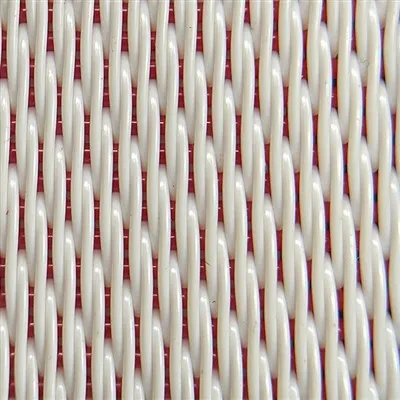
In the papermaking industry, the performance of paper machine forming wires plays a crucial role in determining the quality and efficiency of the papermaking process. As a leading supplier of Paper Machine Forming Wires, we understand the significance of optimizing the performance of these essential components. In this blog post, we will explore various strategies and techniques to enhance the performance of paper machine forming wires, ensuring a smoother and more productive papermaking operation.
Understanding the Basics of Paper Machine Forming Wires
Before delving into optimization strategies, it is essential to have a basic understanding of paper machine forming wires. These wires are the primary surface on which the paper web is formed. They are typically made of synthetic materials such as polyester or polyamide, which offer high strength, durability, and chemical resistance. The design and construction of the forming wire can significantly impact the paper's formation, drainage, and retention properties.
Selecting the Right Forming Wire
The first step in optimizing the performance of paper machine forming wires is selecting the right wire for the specific papermaking process. Different types of forming wires are available, each with its unique characteristics and applications. For example, Two And A Half Layer Papermaking Forming Wire offers excellent drainage and formation properties, making it suitable for a wide range of paper grades. Similarly, 2.5 Layer Forming Fabrics provide enhanced stability and durability, making them ideal for high-speed papermaking machines.
When selecting a forming wire, it is crucial to consider factors such as the paper grade, machine speed, and operating conditions. Working closely with a knowledgeable supplier can help you choose the most appropriate forming wire for your specific needs.
Proper Installation and Alignment
Once the right forming wire has been selected, proper installation and alignment are crucial for optimal performance. Incorrect installation can lead to uneven wear, poor paper formation, and increased downtime. It is essential to follow the manufacturer's installation instructions carefully and ensure that the wire is properly tensioned and aligned.
Regular inspection and maintenance of the forming wire are also essential to detect any signs of wear or damage early on. This can help prevent costly breakdowns and ensure the continued smooth operation of the papermaking machine.
Maintaining Cleanliness
Maintaining the cleanliness of the forming wire is another critical factor in optimizing its performance. Over time, the wire can become clogged with dirt, debris, and paper fibers, which can reduce its drainage efficiency and affect the paper's quality. Regular cleaning of the forming wire is essential to remove these contaminants and ensure optimal performance.
There are several methods available for cleaning forming wires, including mechanical cleaning, chemical cleaning, and water jet cleaning. The choice of cleaning method will depend on the type of contaminants and the severity of the clogging. It is important to use the appropriate cleaning method and follow the manufacturer's recommendations to avoid damaging the wire.
Controlling Chemical Additives
Chemical additives are often used in the papermaking process to improve the paper's properties and enhance the performance of the forming wire. However, excessive use of chemical additives can have a negative impact on the wire's performance. It is essential to carefully control the use of chemical additives and ensure that they are compatible with the forming wire.
Some chemical additives can cause the wire to become stiff or brittle, reducing its flexibility and durability. Others can react with the wire's surface, causing corrosion or other forms of damage. Working closely with a chemical supplier and conducting regular tests can help you determine the optimal amount of chemical additives to use and ensure that they are compatible with the forming wire.


Monitoring and Adjusting Operating Conditions
Monitoring and adjusting the operating conditions of the papermaking machine is another important aspect of optimizing the performance of the forming wire. Factors such as machine speed, temperature, and humidity can all affect the wire's performance. It is essential to monitor these conditions regularly and make adjustments as needed to ensure optimal performance.
For example, increasing the machine speed can put more stress on the forming wire, which may require adjustments to the tension and alignment. Similarly, changes in temperature and humidity can affect the wire's dimensions and properties, which may require adjustments to the chemical additives or cleaning schedule.
Training and Education
Finally, providing training and education to the papermaking machine operators is essential for optimizing the performance of the forming wire. Operators should be trained on the proper installation, maintenance, and cleaning of the forming wire, as well as the importance of monitoring and adjusting the operating conditions.
By providing operators with the knowledge and skills they need to operate the papermaking machine effectively, you can help ensure the continued smooth operation of the machine and the optimal performance of the forming wire.
Conclusion
Optimizing the performance of paper machine forming wires is essential for ensuring the quality and efficiency of the papermaking process. By selecting the right forming wire, installing and aligning it properly, maintaining its cleanliness, controlling chemical additives, monitoring and adjusting operating conditions, and providing training and education to the operators, you can enhance the performance of the forming wire and improve the overall productivity of the papermaking machine.
If you are interested in learning more about our Paper Machine Forming Wires or would like to discuss your specific requirements, please feel free to contact us. Our team of experts is always ready to assist you in finding the best solutions for your papermaking needs.
References
- "Papermaking Technology: Principles and Practice" by G. A. Smook
- "Handbook of Pulp and Paper Technology" by R. G. Macdonald and J. N. Franklin
- "The Paper Industry: A Global Perspective" by P. L. Sampson