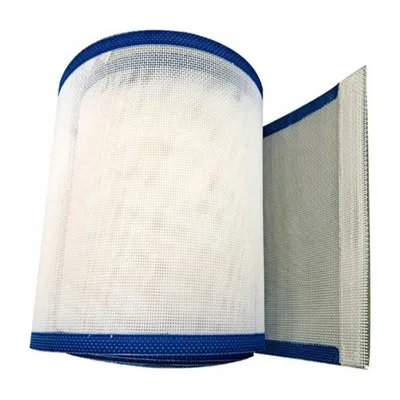
As a seasoned supplier of Sludge Dewatering Mesh Belts, I've witnessed firsthand the intricate relationship between temperature changes and the tension of these crucial industrial components. In this blog, I'll delve into the scientific aspects of how temperature fluctuations can impact the tension of sludge dewatering mesh belts, and why this knowledge is vital for both manufacturers and end - users.
The Basics of Sludge Dewatering Mesh Belts
Sludge dewatering mesh belts play a pivotal role in various industries, such as wastewater treatment, mining, and food processing. These belts are designed to separate water from sludge, reducing its volume and making it easier to handle and dispose of. A key factor in their efficient operation is maintaining the appropriate tension. The right tension ensures proper contact between the belt and the sludge, facilitating effective dewatering.
How Temperature Affects Material Properties
The materials used in sludge dewatering mesh belts, such as polyester, are sensitive to temperature changes. Most polymers, including polyester, exhibit thermal expansion and contraction. When the temperature rises, the molecules in the polyester material gain kinetic energy and start to move more freely. This causes the material to expand. Conversely, when the temperature drops, the molecules lose energy and move closer together, resulting in contraction.
For instance, in a wastewater treatment plant located in a region with significant seasonal temperature variations, the sludge dewatering mesh belt may experience different tensions throughout the year. During the hot summer months, the belt may expand, leading to a decrease in tension. If the tension is not properly adjusted, the belt may start to slip on the rollers, reducing its dewatering efficiency. On the other hand, in cold winter conditions, the belt contracts, increasing the tension. Excessive tension can cause premature wear and tear of the belt, as well as damage to the rollers and other components of the dewatering equipment.
Impact on Tension and Dewatering Performance
The change in tension due to temperature variations can have a direct impact on the dewatering performance of the mesh belt. When the tension is too low, the belt may not apply sufficient pressure on the sludge, resulting in poor water separation. The sludge may not be compressed effectively, and the moisture content of the dewatered sludge may remain high. This not only reduces the efficiency of the dewatering process but also increases the cost of sludge disposal.
Conversely, when the tension is too high, the belt may be over - stressed. This can lead to the formation of cracks and tears in the belt, reducing its lifespan. Moreover, excessive tension can also cause the belt to stretch unevenly, leading to an inconsistent dewatering performance across the width of the belt.


Monitoring and Adjusting Tension in Response to Temperature
To ensure optimal performance of the sludge dewatering mesh belt, it is essential to monitor and adjust the tension according to temperature changes. This can be achieved through the use of tension sensors and automated tension adjustment systems. These sensors can continuously measure the tension of the belt and send signals to the control system. The control system can then adjust the tension by either tightening or loosening the belt as needed.
In addition to using advanced monitoring and adjustment systems, regular visual inspections of the belt are also crucial. Operators should look for signs of wear, such as fraying or thinning of the belt, as well as any signs of uneven tension, such as wrinkles or sagging. By detecting these issues early, corrective actions can be taken to prevent further damage to the belt and ensure its long - term performance.
The Role of High - Quality Materials
Using high - quality materials is another important factor in minimizing the impact of temperature changes on the tension of sludge dewatering mesh belts. Polyester Press Filter Fabric is a popular choice for these belts due to its excellent chemical resistance, high strength, and good dimensional stability. High - quality polyester materials are less likely to be affected by temperature changes, as they have a more stable molecular structure.
Moreover, Polyester Press Filter Fabric from a reliable factory is often manufactured using advanced processes that ensure consistent quality and performance. These processes can help to reduce the variability in the material's properties, making the belt more resistant to temperature - induced tension changes.
Case Studies
Let's take a look at a real - world example. A large mining company was experiencing problems with the dewatering of its tailings sludge. The sludge dewatering mesh belts were showing signs of premature wear and inconsistent dewatering performance. After a detailed investigation, it was found that the temperature variations in the mining area were causing significant changes in the tension of the belts.
The company decided to upgrade to high - quality Sludge Dewatering Filter Fabric Belt made from premium polyester materials. They also installed a state - of - the - art tension monitoring and adjustment system. As a result, the dewatering efficiency improved significantly, and the lifespan of the belts increased by more than 50%. This not only reduced the maintenance costs but also improved the overall productivity of the mining operation.
Conclusion
In conclusion, temperature changes can have a significant impact on the tension of sludge dewatering mesh belts. Understanding this relationship is crucial for ensuring the efficient operation of dewatering equipment and minimizing the cost of sludge treatment. By using high - quality materials, implementing advanced tension monitoring and adjustment systems, and conducting regular inspections, manufacturers and end - users can mitigate the effects of temperature variations and ensure the long - term performance of their sludge dewatering mesh belts.
If you are in the market for high - quality sludge dewatering mesh belts or need more information on how to manage temperature - related tension issues, please feel free to contact us. We are committed to providing you with the best products and solutions to meet your specific needs.
References
- ASTM International. (20XX). Standard test methods for evaluating the mechanical properties of polymer - based filter fabrics.
- European Committee for Standardization. (20XX). EN XX: Requirements for sludge dewatering equipment and components.
- Smith, J. (20XX). The effects of temperature on the performance of industrial filter belts. Journal of Industrial Filtration Technology.