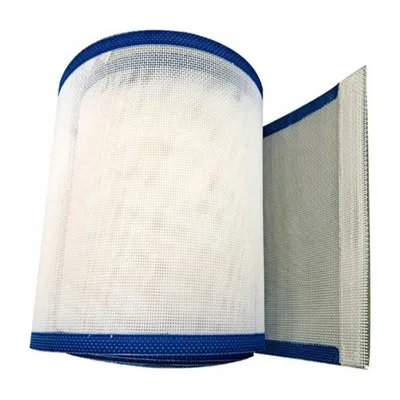
Hey there! As a supplier of Sludge Dewatering Mesh Belt, I often get asked about the installation space requirements for sludge dewatering mesh belt equipment. It's a crucial topic because getting the space right can make a huge difference in the efficiency and effectiveness of the dewatering process. So, let's dive right in and explore what you need to know.
First off, why is the installation space so important? Well, sludge dewatering mesh belt equipment is designed to remove water from sludge, making it easier to handle and dispose of. To do this job properly, the equipment needs enough room to operate smoothly. If the space is too cramped, it can lead to all sorts of problems, like reduced performance, increased wear and tear on the equipment, and even safety hazards.
One of the main factors that determine the installation space is the size of the equipment itself. Sludge dewatering mesh belt equipment comes in different sizes and configurations, depending on the volume of sludge you need to process. Larger equipment obviously requires more space. You've got to consider the length, width, and height of the machine. For example, some industrial - scale sludge dewatering units can be quite long, as they need to have a sufficient belt length to allow for proper dewatering.
Let's talk about the length. The length of the sludge dewatering mesh belt is directly related to the time the sludge spends on the belt for dewatering. A longer belt means more time for water to be squeezed out, which generally leads to better dewatering results. But this also means you need more floor space in the direction of the belt's movement. You can't just cram a long - belt machine into a short space; it won't work properly.
Width is another important dimension. A wider belt can handle a larger volume of sludge at once. However, it also means you need more lateral space. You have to make sure there's enough room on either side of the machine for maintenance access, as well as for any associated piping and electrical connections.
Height is often overlooked, but it's just as crucial. The equipment has components like rollers, motors, and tensioning devices that take up vertical space. You need to have enough clearance above the machine to perform maintenance tasks, such as changing the mesh belt or servicing the motors. Also, if you're using a multi - stage dewatering system, the height requirements can be even greater.
Now, let's consider the surrounding space. You can't just plop the sludge dewatering mesh belt equipment in the middle of a room and call it a day. You need to have space for other things too. There should be enough room for the inlet and outlet pipes. The inlet pipe brings the sludge to the machine, and the outlet pipe takes away the dewatered sludge and the separated water. These pipes need to be installed in a way that doesn't interfere with the operation of the equipment.
You also need space for a control panel. The control panel is where you can adjust the settings of the machine, like the belt speed, tension, and pressure. It should be easily accessible, so you need to leave some clear space around it.
Maintenance is a big deal. You'll need to have enough space to move around the equipment for regular inspections, cleaning, and repairs. A good rule of thumb is to leave at least a few feet of clearance on all sides of the machine. This allows technicians to get in there with tools and parts to fix any issues that might come up.
Ventilation is another aspect related to the installation space. The dewatering process can generate heat, and there may be odors from the sludge. You need to make sure there's proper ventilation in the area where the equipment is installed. This might mean leaving space for exhaust ducts or fans. If you don't have good ventilation, it can not only make the working environment unpleasant but also damage the equipment over time due to overheating.
Let's take a look at some different types of sludge dewatering mesh belts and how they might affect the space requirements.
The Polyester Press Filter Fabric is a popular choice. Polyester is durable and has good filtration properties. When using this type of fabric, the installation space might need to be adjusted based on the specific design of the press filter. Some press filters with polyester fabric are designed to have a more compact footprint, while others might be larger, depending on the pressure - applying mechanisms.
Polyester Sludge Dewatering Belt is also widely used. It's flexible and can be used in different types of dewatering machines. The installation space for a machine using a polyester sludge dewatering belt can vary. For example, a belt - press machine with a polyester belt might need more space for the belt - tensioning and guiding systems.
The Sludge Dewatering Filter Fabric Belt is designed specifically for the dewatering process. Different fabrics have different pore sizes and filtration rates, which can affect the overall size and configuration of the equipment. Some filter fabric belts might require additional pre - treatment units, which will also take up more space.
In addition to the physical space, you also need to think about the floor conditions. The floor should be strong enough to support the weight of the equipment, especially if it's a large - scale machine. Uneven floors can cause problems with the alignment of the belt and other components, leading to premature wear and reduced performance. You may need to reinforce the floor or use leveling devices to ensure a stable installation.
Another thing to consider is the proximity to other equipment or processes. If the sludge dewatering mesh belt equipment is part of a larger industrial process, you need to make sure it doesn't interfere with other operations. For example, if there are other machines nearby that generate a lot of vibrations, it could affect the performance of the dewatering equipment. You might need to create some buffer space between different pieces of machinery.
To sum it up, the installation space requirement for sludge dewatering mesh belt equipment is a complex matter. It depends on the size and type of the equipment, the volume of sludge to be processed, and various operational and maintenance factors. You've got to plan carefully to ensure that the machine has enough space to work efficiently and safely.
If you're in the market for sludge dewatering mesh belt equipment and are unsure about the installation space requirements for your specific situation, don't hesitate to reach out. We're here to help you choose the right equipment and figure out the best way to install it in your facility. Whether you're a small - scale wastewater treatment plant or a large industrial operation, we've got the expertise to guide you through the process. Contact us to start a discussion about your sludge dewatering needs and let's work together to find the perfect solution.
References

- Wastewater Treatment Equipment Handbook
- Industrial Sludge Management and Dewatering Guidelines