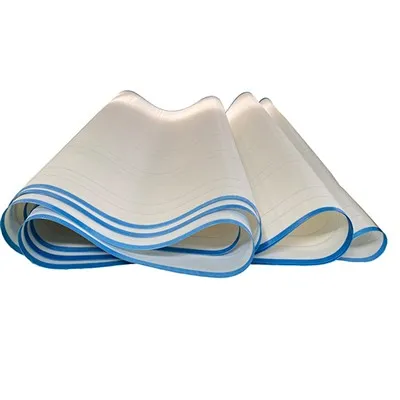
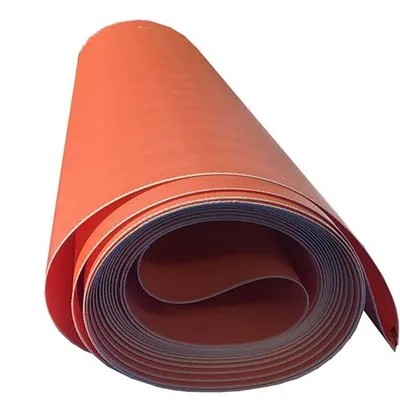
In the intricate world of papermaking, the paper machine forming wire stands as a cornerstone component, playing a pivotal role in the dewatering process. As a dedicated supplier of Paper Machine Forming Wires, I've witnessed firsthand the profound impact these wires have on the efficiency and quality of paper production. In this blog, we'll delve into the science behind the dewatering process and explore the crucial role that forming wires play.
Understanding the Dewatering Process in Papermaking
The papermaking process begins with a dilute suspension of fibers, typically in the form of a pulp-water mixture. This mixture is then deposited onto the forming section of the paper machine, where the initial stage of dewatering occurs. The primary goal of dewatering is to remove as much water as possible from the pulp while retaining the fibers in a uniform and well - formed sheet.
The dewatering process can be divided into two main stages: gravity dewatering and vacuum dewatering. Gravity dewatering is the first step, where the water naturally drains through the forming wire due to the force of gravity. This initial stage allows a significant amount of water to be removed quickly, reducing the moisture content of the pulp.
Following gravity dewatering, vacuum dewatering takes over. Vacuum boxes are placed beneath the forming wire, creating a pressure differential that sucks water through the wire, further reducing the moisture content of the paper web. This stage is crucial for achieving the desired dryness and strength of the final paper product.
The Role of Paper Machine Forming Wires in Dewatering
1. Filtration and Fiber Retention
One of the primary functions of the forming wire is to act as a filter. It allows water to pass through while retaining the fibers on its surface. The wire's pore size and structure are carefully designed to ensure optimal filtration. A well - designed forming wire can effectively separate the fibers from the water, preventing the loss of valuable fibers and ensuring a consistent paper quality.
For example, our Paper machine Three Layer SSB Polyester Forming Fabric is engineered with a unique triple - layer structure. This structure provides excellent fiber retention capabilities while allowing efficient water drainage. The multiple layers work together to trap fibers of different sizes, ensuring that the paper web has a uniform distribution of fibers.
2. Water Passage and Drainage
The forming wire's ability to allow water to pass through is crucial for the dewatering process. The wire's open area, porosity, and surface characteristics all affect its drainage performance. A wire with a high open area allows water to flow through more easily, facilitating faster dewatering.
Our Paper Mill Mesh Forming Wires Forming Fabric is designed with a precise mesh structure that maximizes water passage. The mesh pattern allows water to flow freely through the wire, reducing the resistance to drainage. This results in a more efficient dewatering process and higher paper production speeds.
3. Web Formation and Uniformity
In addition to dewatering, the forming wire also plays a role in the formation of the paper web. It helps to distribute the fibers evenly across the wire surface, ensuring a uniform thickness and density of the paper. A uniform paper web is essential for achieving consistent paper quality and performance.
Our 1.5 Layer Forming Fabric is specifically designed to promote web formation. The unique 1.5 - layer structure provides a balance between fiber support and water drainage, resulting in a well - formed paper web with excellent uniformity.
4. Durability and Longevity
The forming wire operates in a harsh environment, exposed to high temperatures, mechanical stress, and chemical agents. Therefore, durability is a critical factor in its performance. A durable forming wire can withstand the rigors of the papermaking process, reducing the frequency of wire replacements and minimizing production downtime.


Our forming wires are made from high - quality materials and are engineered to have excellent wear resistance and chemical stability. This ensures that they can maintain their performance over an extended period, providing a reliable and cost - effective solution for papermaking operations.
Impact of Forming Wires on Paper Quality
The quality of the forming wire directly affects the quality of the paper produced. A well - designed and maintained forming wire can result in paper with better strength, smoothness, and printability.
For instance, a forming wire that provides good fiber retention will result in a paper with fewer holes and a more uniform surface. This improves the paper's printability, as it allows for better ink transfer and sharper image reproduction. Additionally, a wire that promotes efficient dewatering can help to reduce the drying time and energy consumption, leading to cost savings and a more sustainable papermaking process.
Factors Affecting the Performance of Forming Wires
Several factors can affect the performance of forming wires in the dewatering process. These include the type of pulp used, the paper machine speed, the temperature and humidity of the papermaking environment, and the chemical additives used in the pulp.
For example, different types of pulp have different fiber characteristics, which can affect the filtration and dewatering performance of the forming wire. High - yield pulps, such as mechanical pulps, tend to have shorter fibers and higher fines content, which can pose challenges for fiber retention and drainage. In such cases, a forming wire with a smaller pore size and better fiber retention capabilities may be required.
The paper machine speed also plays a significant role in the dewatering process. As the machine speed increases, the time available for dewatering decreases. Therefore, a forming wire with high drainage efficiency is essential to ensure that the paper web can be properly dewatered at high speeds.
Maintenance and Care of Forming Wires
Proper maintenance and care of forming wires are essential to ensure their optimal performance and longevity. Regular cleaning is necessary to remove dirt, debris, and chemical deposits from the wire surface. This can be done using water jets, brushes, or chemical cleaning agents.
In addition to cleaning, it is also important to monitor the wear and tear of the forming wire. Signs of wear, such as broken filaments or reduced drainage performance, should be addressed promptly to prevent further damage and ensure the continued quality of the paper production.
Conclusion
In conclusion, the paper machine forming wire plays a vital role in the dewatering process of papermaking. It is responsible for filtration, water drainage, web formation, and ensuring the quality of the final paper product. As a supplier of Paper Machine Forming Wires, we are committed to providing high - quality products that meet the diverse needs of the papermaking industry.
If you are in the market for top - quality forming wires for your paper mill, we invite you to reach out to us for a consultation. Our team of experts can help you select the right forming wire for your specific requirements and provide you with the support and guidance you need to optimize your papermaking process.
References
- Smook, G. A. (2016). Handbook for Pulp & Paper Technologists. Angus Wilde Publications.
- Gullichsen, J., & Fogelholm, C. - J. (Eds.). (2000). Papermaking Science and Technology: Book 6: Papermaking. Fapet Oy.