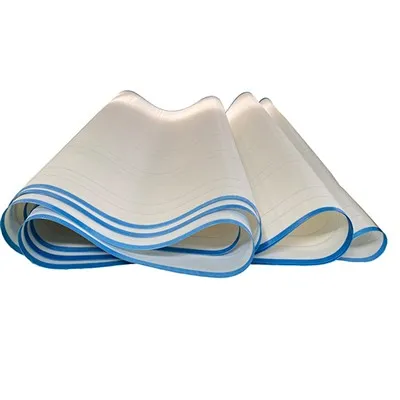
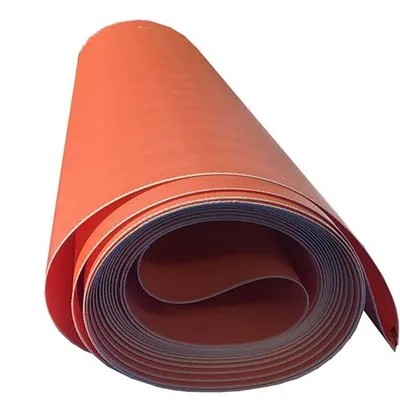
High-speed filtration is a critical process in various industries, including wastewater treatment, mining, and food processing. The efficiency and effectiveness of high-speed filtration greatly depend on the performance of the filter fabric used. In this blog, as a supplier of Polyester Press Filter Fabric, I will discuss how polyester press filter fabric performs in high-speed filtration.
1. Properties of Polyester Press Filter Fabric
Polyester is a synthetic polymer known for its excellent mechanical and chemical properties. These properties make polyester press filter fabric an ideal choice for high-speed filtration.
1.1. High Tensile Strength
Polyester fibers have high tensile strength, which allows the filter fabric to withstand the high mechanical stresses encountered during high-speed filtration. In a high-speed filtration system, the filter fabric is subjected to rapid flow rates of the filtrate, which can exert significant forces on the fabric. The high tensile strength of polyester ensures that the fabric does not tear or break easily, maintaining its integrity and filtration performance over time.
1.2. Chemical Resistance
Polyester is resistant to a wide range of chemicals, including acids, alkalis, and organic solvents. This chemical resistance is crucial in high-speed filtration applications where the filtrate may contain corrosive substances. For example, in wastewater treatment plants, the wastewater may contain various chemicals used in the treatment process or industrial pollutants. The chemical resistance of polyester press filter fabric ensures that it does not degrade or lose its filtration efficiency when exposed to these harsh chemicals.
1.3. Dimensional Stability
Polyester press filter fabric has good dimensional stability, which means it maintains its shape and size under different operating conditions. In high-speed filtration, the fabric may be subjected to fluctuating temperatures and pressures. The dimensional stability of polyester ensures that the fabric does not shrink, stretch, or distort, which could lead to uneven filtration or leakage. This property is essential for maintaining a consistent and reliable filtration process.
2. Performance in High - Speed Filtration
2.1. High Filtration Efficiency
One of the key advantages of polyester press filter fabric in high-speed filtration is its high filtration efficiency. The fabric can effectively trap solid particles of various sizes from the filtrate. The pore size of the polyester press filter fabric can be precisely controlled during the manufacturing process, allowing it to be tailored to specific filtration requirements. In high-speed filtration, where large volumes of filtrate need to be processed quickly, the high filtration efficiency of polyester fabric ensures that the desired level of particle removal is achieved in a short period.
For instance, in the mining industry, where large amounts of slurry need to be filtered to separate the valuable minerals from the waste, polyester press filter fabric can rapidly remove fine particles from the slurry, improving the quality of the recovered minerals.
2.2. Rapid Filtration Rate
Polyester press filter fabric offers a rapid filtration rate, which is essential for high-speed filtration applications. The open structure of the fabric allows the filtrate to pass through quickly, reducing the time required for the filtration process. The high porosity of polyester fabric, combined with its smooth surface, minimizes the resistance to the flow of the filtrate. This results in a faster filtration rate compared to some other types of filter fabrics.
In a food processing plant, for example, high-speed filtration is required to separate solids from liquids in a timely manner to maintain the quality and productivity of the products. Polyester press filter fabric can effectively meet this requirement by allowing for a high flow rate of the liquid through the fabric.
2.3. Low Cake Moisture Content
Another significant performance characteristic of polyester press filter fabric in high-speed filtration is its ability to produce a filter cake with a low moisture content. During the filtration process, the fabric allows the liquid to pass through while retaining the solid particles. The design and properties of the polyester press filter fabric promote good drainage of the liquid from the filter cake, resulting in a dryer cake.
A low moisture content in the filter cake is beneficial in many ways. In industries such as pulp and paper, a dryer filter cake reduces the energy required for subsequent drying processes. It also makes the disposal or further processing of the filter cake more efficient.
3. Applications of Polyester Press Filter Fabric in High - Speed Filtration
3.1. Wastewater Treatment
In wastewater treatment plants, high-speed filtration is essential to remove suspended solids and pollutants from the wastewater before it is discharged or reused. Polyester press filter fabric is widely used in belt filter presses, which are commonly used in wastewater treatment for sludge dewatering. The Polyester Sludge Dewatering Belt made of polyester can effectively separate the water from the sludge, producing a relatively dry sludge cake and clear filtrate.
3.2. Mining
The mining industry requires efficient high-speed filtration to separate valuable minerals from the ore slurry. Polyester Mesh Belts For Belt Filter Press are used in belt filter press systems to filter and dewater the mineral concentrates. The high tensile strength and chemical resistance of polyester make it suitable for the harsh conditions in the mining environment, where the slurry may contain abrasive particles and corrosive chemicals.
3.3. Food and Beverage
In the food and beverage industry, high-speed filtration is used to clarify liquids, remove impurities, and separate solids from liquids. Polyester Sludge Dewatering Mesh can be used in various filtration equipment, such as filter presses and centrifuges, to ensure the quality and safety of the final products. The food-grade polyester materials used in the filter fabric are compliant with strict hygiene standards.
4. Maintenance and Longevity
Polyester press filter fabric is relatively easy to maintain, which is an important factor in high-speed filtration applications. The smooth surface of the fabric resists the adhesion of solid particles, making it easier to clean. Regular cleaning and proper maintenance can significantly extend the lifespan of the polyester press filter fabric.
In addition, the chemical and mechanical properties of polyester contribute to its long - term durability. It can withstand repeated use and cleaning without significant degradation of its performance. This reduces the frequency of fabric replacement, resulting in cost savings for the users.
5. Contact for Purchase and Consultation
If you are looking for high - quality Polyester Press Filter Fabric for your high - speed filtration needs, we are here to offer you the best solutions. Our polyester press filter fabrics are manufactured with advanced technology and strict quality control to ensure excellent performance. Whether you are in the wastewater treatment, mining, or food processing industry, we can provide you with the right type of fabric tailored to your specific requirements.
Feel free to contact us to discuss your filtration needs, and we will be happy to provide you with detailed product information, technical support, and competitive pricing. Let us work together to improve the efficiency and effectiveness of your high - speed filtration processes.


References
- Smith, J. D. (2018). Filtration Technology in Industrial Processes. Publisher X, 123 - 145.
- Johnson, R. M. (2019). Synthetic Fibers for Filtration Applications. Journal of Filtration Science, 22(3), 45 - 56.
- Brown, A. L. (2020). Advances in High - Speed Filtration Systems. Proceedings of the International Filtration Conference, 56 - 68.