Hey there! As a supplier of desulfurization filter cloth, I often get asked about how this nifty stuff actually works. So, let's dive right into it and break down the working principle of desulfurization filter cloth.
First off, let's understand what desulfurization is. In simple terms, desulfurization is the process of removing sulfur compounds from various substances, especially in industrial settings. Sulfur compounds can be a real nuisance, causing environmental problems like acid rain and also affecting the quality of products in industries such as power generation, chemical manufacturing, and mining. That's where desulfurization filter cloth comes in handy.
The basic idea behind desulfurization filter cloth is to separate solid sulfur-containing particles from a liquid or gas stream. It acts as a barrier that allows the fluid to pass through while trapping the solid particles. This is achieved through a combination of physical and chemical processes.
Physical Filtration
One of the primary mechanisms of desulfurization filter cloth is physical filtration. The filter cloth has a porous structure with tiny holes or pores. These pores are designed to be small enough to block the passage of solid sulfur particles but large enough to allow the fluid (liquid or gas) to flow through.
When the sulfur-containing fluid passes through the filter cloth, the solid particles get caught on the surface of the cloth or within its pores. This is similar to how a coffee filter works, separating the coffee grounds from the liquid coffee. The size of the pores in the desulfurization filter cloth is carefully selected based on the size of the sulfur particles that need to be removed.
Adsorption
In addition to physical filtration, desulfurization filter cloth can also work through adsorption. Adsorption is the process by which molecules of a substance adhere to the surface of another substance. In the case of desulfurization filter cloth, the cloth material has a high surface area with active sites that can attract and hold sulfur compounds.
The filter cloth is often made from materials that have a strong affinity for sulfur, such as certain polymers or treated fibers. These materials can adsorb sulfur molecules from the fluid passing through the cloth. This adsorption process helps to further remove sulfur from the fluid, improving the efficiency of the desulfurization process.
Chemical Reaction
Some desulfurization filter cloths are designed to undergo chemical reactions with sulfur compounds. These filter cloths are treated with special chemicals that react with sulfur to form insoluble compounds. When the sulfur-containing fluid comes into contact with the filter cloth, the chemical reaction takes place, and the sulfur is converted into a solid form that can be easily removed.
For example, some filter cloths may be treated with alkaline substances that react with sulfur dioxide (SO₂) to form sulfates. These sulfates are then trapped by the filter cloth, effectively removing the sulfur from the fluid.
Applications of Desulfurization Filter Cloth
Desulfurization filter cloth has a wide range of applications in various industries. In the power generation industry, it is used to remove sulfur from flue gases produced by coal-fired power plants. This helps to reduce air pollution and comply with environmental regulations.
In the chemical industry, desulfurization filter cloth is used to purify chemical products and remove sulfur impurities. It is also used in the mining industry to separate sulfur-containing minerals from other materials.
Our Products
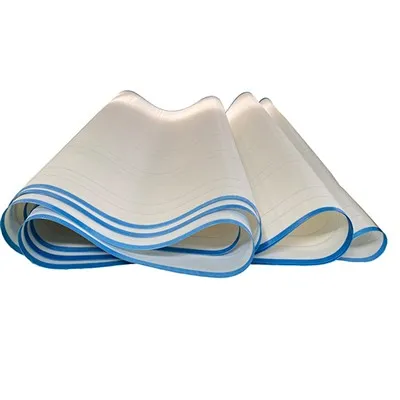
As a supplier of desulfurization filter cloth, we offer a variety of high-quality products to meet the different needs of our customers. One of our popular products is the Polyester Desulfurization Mesh Belt. This mesh belt is made from high-strength polyester fibers and has excellent filtration performance. It is suitable for use in various desulfurization processes.
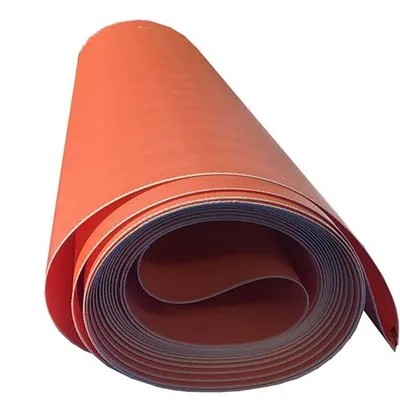
Another product we offer is the FGD Filter Belt. This filter belt is specifically designed for flue gas desulfurization (FGD) applications. It has a high resistance to corrosion and can effectively remove sulfur from flue gases.
We also have the Vacuum Filter Cloth for Tailings Dry Discharge. This filter cloth is used in the mining industry to separate solid tailings from the liquid phase, allowing for dry discharge of the tailings.
Why Choose Our Desulfurization Filter Cloth?
There are several reasons why you should choose our desulfurization filter cloth. Firstly, our products are made from high-quality materials and are designed to have a long service life. They are also highly efficient in removing sulfur from fluids, ensuring that your desulfurization process is effective.
Secondly, we offer customized solutions to meet the specific needs of our customers. Whether you need a filter cloth with a specific pore size or a special chemical treatment, we can provide you with a product that meets your requirements.


Finally, we have a team of experienced professionals who can provide you with technical support and advice. We can help you choose the right filter cloth for your application and ensure that it is installed and used correctly.
Contact Us
If you are interested in our desulfurization filter cloth products or have any questions about the working principle or applications, please don't hesitate to contact us. We would be happy to discuss your needs and provide you with a quote.
References
- Smith, J. (2018). Desulfurization Technologies in the 21st Century. CRC Press.
- Johnson, A. (2019). Filtration and Separation Handbook. Elsevier.