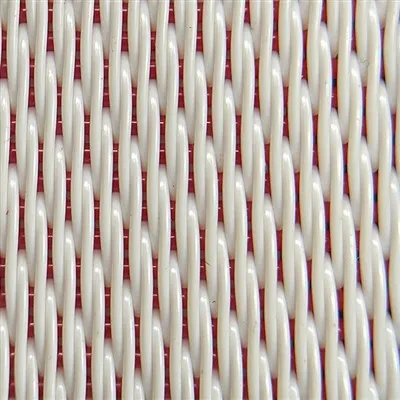
Hey there! As a supplier of Polyester Sludge Dewatering Belts, I often get asked if these belts can be used in industrial wastewater sludge dewatering. Well, let's dive right into it and find out.


First off, let's understand what industrial wastewater sludge dewatering is all about. Industrial wastewater contains a lot of solid particles and contaminants. When this wastewater is treated, a sludge is formed. This sludge has a high water content, and dewatering it is crucial for several reasons. It reduces the volume of the sludge, making it easier and cheaper to transport and dispose of. It also helps in recovering valuable resources from the sludge in some cases.
Now, let's talk about polyester sludge dewatering belts. Polyester is a synthetic polymer that has some great properties for sludge dewatering. It's strong, durable, and resistant to chemicals. These belts are designed to work in belt filter presses, which are commonly used in industrial wastewater treatment plants.
One of the main advantages of using polyester sludge dewatering belts is their strength. They can withstand the high pressures applied in the belt filter press without tearing or breaking. This means they can last a long time, reducing the need for frequent replacements. And let's face it, in an industrial setting, downtime for maintenance and replacement can be costly.
Another benefit is the chemical resistance of polyester. Industrial wastewater can contain all sorts of chemicals, and the dewatering belt needs to be able to handle them without degrading. Polyester belts can resist a wide range of chemicals, including acids and alkalis, which makes them suitable for use in different types of industrial wastewater treatment.
The porosity of the polyester dewatering belt is also important. It allows water to pass through while retaining the solid particles in the sludge. This is what enables the dewatering process to take place. The right porosity ensures efficient dewatering, meaning more water is removed from the sludge in a shorter amount of time.
Now, let's look at some real - world applications. In the food processing industry, for example, wastewater contains organic matter and fats. Polyester sludge dewatering belts can effectively dewater the sludge from this type of wastewater. The strong and chemical - resistant nature of the belts makes them ideal for handling the complex composition of food processing wastewater.
In the mining industry, where wastewater often contains heavy metals and other contaminants, polyester belts can also play a crucial role. They can withstand the harsh chemicals used in the mining process and help in dewatering the sludge, making it easier to manage the waste.
When it comes to choosing the right polyester sludge dewatering belt, there are a few things to consider. The type of sludge, the operating conditions of the belt filter press, and the desired dewatering efficiency all play a role. For example, if the sludge has a high viscosity, a belt with a different porosity might be needed compared to a less viscous sludge.
If you're in the market for a sludge dewatering solution, you might want to check out our Sludge Dewatering Mesh. It's a great option for various industrial applications. We also have Polyester Mesh Belts For Belt Filter Press that are specifically designed for use in belt filter presses. And if you're looking for a high - quality Polyester Press Filter Fabric, we've got you covered.
In conclusion, polyester sludge dewatering belts are definitely a viable option for industrial wastewater sludge dewatering. Their strength, chemical resistance, and porosity make them well - suited for the task. If you're an industrial facility dealing with wastewater sludge and are looking for an efficient dewatering solution, I'd highly recommend considering our polyester dewatering belts.
If you're interested in learning more or want to discuss your specific needs, don't hesitate to reach out. We're here to help you find the best dewatering solution for your industrial wastewater treatment.
References:
- Industrial Wastewater Treatment Handbook
- Textile Materials for Filtration and Separation