Yo, what's up everyone! I'm a supplier of woven dryer screens, and today I wanna chat about how a woven dryer screen stacks up against a traditional lint screen.
Let's start with the basics. Traditional lint screens are the ones you're probably familiar with in your home dryers. They're usually made of a fine mesh material, often in a flat, rectangular shape. Their main job is to catch lint and debris that come off your clothes during the drying process. This helps prevent the lint from clogging up the dryer vents and causing potential fire hazards.
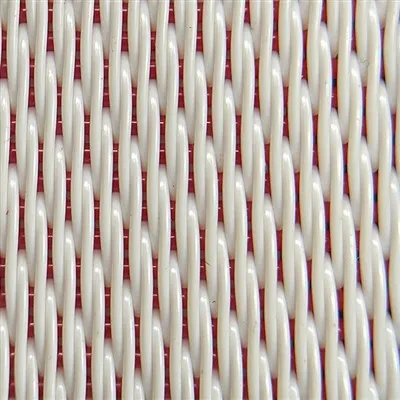
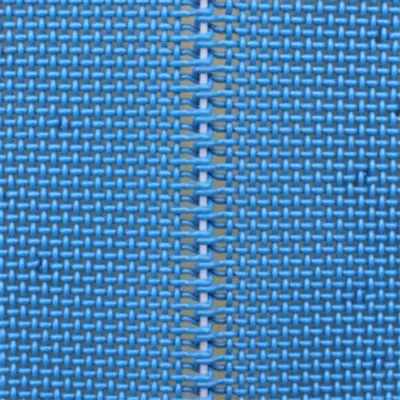
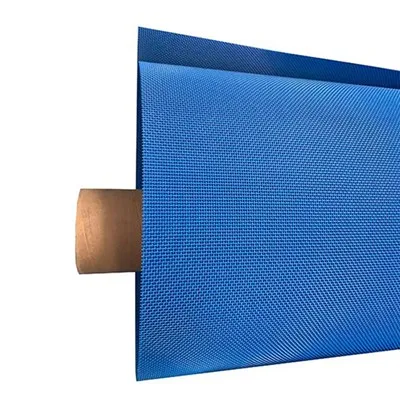
On the other hand, woven dryer screens are a bit more specialized. They're used in industrial settings like paper-making factories, where they play a crucial role in the drying process. For example, the Polyester Drying Screen for Paper Making is designed to withstand high temperatures and the constant movement of the paper-making machinery.
Durability
One of the biggest differences between the two is durability. Traditional lint screens in home dryers are made to be disposable or easily cleanable. Over time, they can get clogged with lint, and if you don't clean them regularly, they might start to tear or lose their effectiveness.
Woven dryer screens, especially those like the Flat Yarn Woven Dryer Screen, are built to last. They're made from high-quality materials like polyester, which can handle the harsh conditions of industrial drying processes. In a paper mill, these screens are constantly exposed to high heat, moisture, and mechanical stress. The woven design gives them extra strength, so they can keep doing their job for a long time without breaking down.
Efficiency
When it comes to efficiency, woven dryer screens have a clear edge. In a paper-making process, the goal is to dry the paper as quickly and evenly as possible. Woven dryer screens are designed to allow for better air circulation, which helps speed up the drying process. The open weave structure lets hot air pass through the screen and reach the paper more effectively, reducing drying time and saving energy.
Traditional lint screens, while they do their job of catching lint, don't really contribute to the efficiency of the drying process. They're more of a safety feature to prevent lint from causing problems. In fact, if a lint screen gets too clogged, it can actually slow down the airflow in the dryer and make the drying process less efficient.
Cleaning and Maintenance
Cleaning a traditional lint screen is pretty straightforward. You just pull it out of the dryer, remove the lint, and put it back in. It's a quick and easy task that most people do after every load of laundry.
Cleaning a woven dryer screen is a bit more involved. In an industrial setting, these screens need to be cleaned regularly to maintain their performance. However, because they're made to be durable, they can withstand more rigorous cleaning methods. For example, they can be washed with special detergents or even pressure-washed in some cases. The Polyester Dryer Screen is resistant to many chemicals, which means it can be cleaned without worrying about damage.


Cost
Cost is another factor to consider. Traditional lint screens are relatively cheap. You can buy a pack of them at the grocery store for just a few dollars. They're designed to be replaced frequently, so the low cost makes sense.
Woven dryer screens, on the other hand, are more expensive upfront. But when you think about their long lifespan and the efficiency they bring to the industrial drying process, they can actually save you money in the long run. In a paper mill, a more efficient drying process means less energy consumption and higher production rates, which can offset the initial cost of the screen.
Customization
Woven dryer screens offer a lot more customization options compared to traditional lint screens. In an industrial setting, different processes might require different types of screens. For example, the porosity of the screen can be adjusted depending on the type of paper being made. The size and shape of the screen can also be customized to fit the specific machinery in the factory.
Traditional lint screens are pretty much one-size-fits-all. They come in standard sizes that are designed to fit most home dryers, and there's not much room for customization.
Environmental Impact
From an environmental perspective, woven dryer screens can be more sustainable. Because they last longer, they don't need to be replaced as often, which means less waste. Also, their energy-efficient design can help reduce the overall energy consumption of the industrial process, which is good for the environment.
Traditional lint screens, being disposable, contribute to waste. And if they're not cleaned properly, they can cause the dryer to use more energy, which is also not great for the environment.
In conclusion, while traditional lint screens have their place in home dryers, woven dryer screens are a whole different ballgame. They're more durable, efficient, and customizable, making them the go-to choice for industrial drying processes. If you're in the market for a high-quality woven dryer screen for your industrial needs, don't hesitate to reach out. We can provide you with the right screen for your specific requirements and help you improve your drying process.
If you're interested in learning more or discussing a potential purchase, feel free to get in touch. We're here to answer any questions you might have and help you find the perfect solution for your business.
References
- General knowledge about home dryers and lint screens
- Industry knowledge about industrial paper-making and woven dryer screens