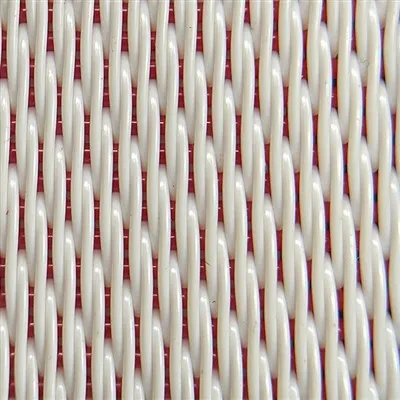
As a supplier of Polyester Vacuum Filter Belts, I've witnessed firsthand the profound influence that electrostatic charge can have on the performance and application of these crucial industrial components. In this blog, I'll delve into the nature of electrostatic charge on polyester vacuum filter belts, explore its impacts on various aspects of their use, and discuss strategies to manage these effects.
Understanding Electrostatic Charge on Polyester Vacuum Filter Belts
Polyester is a synthetic polymer widely used in vacuum filter belts due to its excellent mechanical properties, chemical resistance, and durability. However, polyester materials are also prone to generating electrostatic charges. Electrostatic charge occurs when there is a transfer of electrons between two materials in contact, resulting in an imbalance of electric charges on their surfaces. In the case of polyester vacuum filter belts, friction during operation, such as contact with rollers, materials being filtered, and the movement of air, can cause electrons to be transferred, leading to the build - up of static electricity.
Impact on Filtration Efficiency
One of the most significant impacts of electrostatic charge on polyester vacuum filter belts is on filtration efficiency. When a filter belt has an electrostatic charge, it can attract fine particles in the fluid being filtered. On one hand, this can enhance the capture of small particles, potentially improving the overall filtration quality. For example, in applications where removing sub - micron particles is crucial, the electrostatic attraction can act as an additional filtration mechanism, trapping particles that might otherwise pass through the filter pores.
However, this same electrostatic attraction can also lead to problems. Over time, the accumulation of charged particles on the filter belt surface can cause clogging. As more and more particles adhere to the belt due to electrostatic forces, the pores of the filter can become blocked, reducing the flow rate of the fluid through the filter. This not only decreases the filtration efficiency but also increases the energy consumption of the filtration system as more pressure is required to maintain the desired flow rate.
Influence on Belt Cleaning
Electrostatic charge can also complicate the cleaning process of polyester vacuum filter belts. During normal operation, the filter belt needs to be periodically cleaned to remove the accumulated solids and maintain its filtration performance. When there is an electrostatic charge on the belt, the particles adhered to it are held more tightly. This makes it more difficult to remove these particles using conventional cleaning methods, such as water spraying or mechanical scraping.
The charged particles may form a more tenacious bond with the belt surface, and in some cases, they may even penetrate deeper into the filter structure. As a result, more intensive cleaning methods may be required, which can increase the wear and tear on the belt. This shortens the service life of the filter belt and adds to the operating costs of the filtration system.
Effects on Belt Wear and Tear
The presence of electrostatic charge can accelerate the wear and tear of polyester vacuum filter belts. The electrostatic forces can cause the belt to stick to other components in the filtration system, such as rollers and guide rails. This increased friction during movement can lead to abrasion of the belt surface, reducing its mechanical strength over time.
Moreover, the electrostatic charge can attract dust and debris from the surrounding environment. These foreign particles can act as abrasives, further exacerbating the wear of the belt. As the belt wears, its filtration performance deteriorates, and there is also an increased risk of belt breakage, which can cause unexpected downtime in the filtration process.


Impact on Safety
Electrostatic charge on polyester vacuum filter belts also poses safety risks. In some industrial environments, such as those dealing with flammable or explosive materials, the electrostatic discharge from the charged filter belt can be a potential ignition source. A sudden release of electrostatic energy in the form of a spark can ignite flammable vapors or dust, leading to fires or explosions.
Even in non - flammable environments, the electrostatic charge can cause discomfort to operators. Workers may experience electric shocks when coming into contact with the charged filter belt, which can also pose a risk of injury, especially in situations where quick and precise movements are required.
Managing the Effects of Electrostatic Charge
To mitigate the negative impacts of electrostatic charge on polyester vacuum filter belts, several strategies can be employed. One approach is to use antistatic additives during the manufacturing process of the filter belt. These additives can reduce the generation of electrostatic charge by increasing the surface conductivity of the polyester material. This allows the accumulated charges to dissipate more easily, preventing the build - up of high - voltage electrostatic fields.
Another method is to use grounding techniques. By connecting the filter belt or the filtration system to a proper grounding device, the electrostatic charge can be safely discharged to the ground. This helps to maintain a neutral electrical state on the belt surface and reduces the risk of electrostatic discharge.
In addition, adjusting the operating conditions of the filtration system can also help manage electrostatic charge. For example, reducing the speed of the filter belt or the flow rate of the fluid being filtered can minimize the friction that generates electrostatic charge. Using humidification techniques in the operating environment can also increase the conductivity of the air, which can help dissipate the electrostatic charge on the belt.
Our Product Offerings
As a leading supplier of Polyester Vacuum Filter Belts, we understand the importance of addressing the issue of electrostatic charge. Our product range includes Desulfurization Filter Cloth, Vacuum Filter Cloth for Tailings Dry Discharge, and Polyester Desulfurization Mesh Belt. These products are designed with advanced manufacturing techniques to minimize the generation of electrostatic charge and ensure optimal performance in various industrial applications.
Conclusion
The electrostatic charge on polyester vacuum filter belts can have a significant impact on their use, affecting filtration efficiency, belt cleaning, wear and tear, and safety. However, by understanding the nature of electrostatic charge and implementing appropriate management strategies, these negative effects can be effectively mitigated. At our company, we are committed to providing high - quality polyester vacuum filter belts that address these issues and meet the diverse needs of our customers.
If you are interested in our products or have any questions about managing electrostatic charge in your filtration system, please feel free to contact us for a detailed discussion and potential procurement negotiation. We look forward to working with you to achieve the best filtration results.
References
- Brown, J. (2018). Electrostatic Phenomena in Industrial Filtration Systems. Journal of Industrial Filtration, 22(3), 123 - 135.
- Green, R. (2019). Antistatic Technologies for Synthetic Filter Materials. International Journal of Filtration Science, 15(4), 210 - 221.
- White, S. (2020). Safety Considerations for Electrostatic Charge in Filtration Processes. Safety in Industry Review, 30(2), 45 - 53.