How to Improve the Chemical Resistance of Paper Machine Forming Wires
As a supplier of paper machine forming wires, I understand the critical role these components play in the papermaking process. One of the key challenges in this industry is ensuring that the forming wires have adequate chemical resistance. Chemicals are often used in papermaking for various purposes, such as bleaching, sizing, and pH adjustment. However, these chemicals can cause damage to the forming wires over time, leading to reduced performance and increased maintenance costs. In this blog post, I will discuss several strategies to improve the chemical resistance of paper machine forming wires.
1. Material Selection
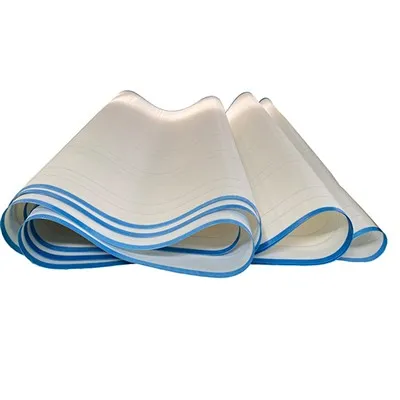
The choice of material is the first and most crucial step in enhancing the chemical resistance of forming wires. Different materials have different levels of resistance to various chemicals. For example, polyester is a popular choice for forming wires due to its relatively good chemical resistance. Polyester forming fabrics, such as the 1.5 Layer Forming Fabric and Polyester Forming Screen Forming Fabric, are known for their durability and ability to withstand a wide range of chemicals.
Another option is polyamide, which also offers good chemical resistance, especially against acids. However, it may be less resistant to alkalis compared to polyester. When selecting the material, it is essential to consider the specific chemicals used in the papermaking process and choose a material that can withstand them.
2. Surface Treatment
Surface treatment can significantly improve the chemical resistance of forming wires. One common surface treatment method is coating. A protective coating can act as a barrier between the wire and the chemicals, preventing direct contact and reducing the risk of chemical attack. There are various types of coatings available, such as polyurethane coatings, which offer excellent chemical resistance and abrasion resistance.
Another surface treatment technique is plasma treatment. Plasma treatment can modify the surface properties of the forming wire, making it more resistant to chemicals. It can also improve the adhesion of coatings, if applied. By enhancing the surface properties, the forming wire becomes more durable and less susceptible to chemical damage.
3. Design Optimization
The design of the forming wire can also impact its chemical resistance. For example, a well-designed wire structure can reduce the retention of chemicals on the wire surface. A wire with a more open structure allows for better drainage and reduces the contact time between the wire and the chemicals. This can help to minimize the chemical attack on the wire.


In addition, the design of the wire can also affect its mechanical properties. A wire with good mechanical strength is less likely to be damaged by the physical forces associated with chemical exposure. For instance, a wire with a higher tensile strength can better withstand the stress caused by chemical swelling or contraction.
4. Regular Maintenance and Cleaning
Regular maintenance and cleaning are essential for maintaining the chemical resistance of forming wires. Over time, chemicals can accumulate on the wire surface, leading to corrosion and reduced performance. By regularly cleaning the wire, the build-up of chemicals can be removed, and the wire can be restored to its original condition.
There are various cleaning methods available, such as chemical cleaning and mechanical cleaning. Chemical cleaning involves using specific cleaning agents to dissolve the chemical deposits on the wire surface. Mechanical cleaning, on the other hand, uses physical methods, such as brushing or scraping, to remove the deposits. It is important to choose the appropriate cleaning method based on the type of chemicals used and the condition of the wire.
5. Monitoring and Testing
Monitoring and testing the chemical resistance of forming wires is crucial to ensure their long-term performance. Regular testing can help to detect any signs of chemical damage early on, allowing for timely intervention. There are various testing methods available, such as chemical analysis and mechanical testing.
Chemical analysis can be used to determine the composition of the chemicals on the wire surface and the extent of chemical damage. Mechanical testing, such as tensile strength testing and abrasion resistance testing, can assess the mechanical properties of the wire and identify any changes due to chemical exposure. By monitoring and testing the forming wires regularly, any issues can be addressed promptly, and the chemical resistance of the wires can be maintained.
Conclusion
Improving the chemical resistance of paper machine forming wires is essential for ensuring the efficient and reliable operation of the papermaking process. By selecting the appropriate materials, applying surface treatments, optimizing the design, performing regular maintenance and cleaning, and monitoring and testing the wires, the chemical resistance of the forming wires can be significantly enhanced.
As a supplier of paper machine forming wires, we are committed to providing high-quality products with excellent chemical resistance. If you are interested in learning more about our products or have any questions regarding the chemical resistance of forming wires, please feel free to contact us for a procurement discussion. We look forward to working with you to meet your papermaking needs.
References
- "Papermaking Science and Technology: Pulp and Paper Chemistry and Chemical Technology," by James P. Casey.
- "Handbook of Pulp and Paper Technology," by Christopher J. Biermann.
- "Chemical Resistance of Polymers," by Charles A. Harper.