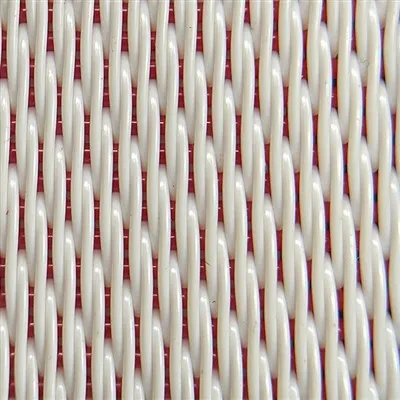
In the vast landscape of industrial filtration, polyester press filter fabric stands out as a versatile and reliable solution. As a seasoned supplier of Polyester Press Filter Fabric, I've witnessed firsthand the diverse applications of this remarkable material across various industries. In this blog, I'll explore the key sectors that rely on polyester press filter fabric and how it meets their unique filtration needs.
1. Mining Industry
The mining industry is one of the largest consumers of polyester press filter fabric. In mining operations, large volumes of water are used for various processes such as ore washing, flotation, and tailings disposal. These processes generate significant amounts of sludge and wastewater that need to be treated before disposal. Polyester press filter fabric plays a crucial role in this process by separating the solid particles from the liquid phase through mechanical pressure.
The high-strength and abrasion-resistant properties of polyester make it ideal for handling the harsh and abrasive nature of mining slurries. The fabric can withstand the high pressures exerted during the filtration process without tearing or losing its filtration efficiency. Additionally, polyester press filter fabric has excellent chemical resistance, which allows it to resist the corrosive effects of acids, alkalis, and other chemicals commonly found in mining wastewater.
In mining tailings management, polyester press filter fabric is used to dewater the tailings, reducing their volume and making them easier to store and dispose of. By removing the excess water from the tailings, the fabric helps to minimize the environmental impact of mining operations and prevent the contamination of water sources.
2. Chemical Industry
The chemical industry also heavily relies on polyester press filter fabric for its filtration needs. Chemical processes often involve the separation of solids from liquids, as well as the purification of chemical solutions. Polyester press filter fabric is used in a variety of chemical filtration applications, including the filtration of acids, alkalis, solvents, and other chemicals.


The chemical resistance of polyester makes it an excellent choice for handling a wide range of chemical substances. The fabric can withstand the corrosive effects of strong acids and alkalis, as well as the solvent action of organic compounds. This allows it to maintain its structural integrity and filtration performance in harsh chemical environments.
In addition to its chemical resistance, polyester press filter fabric also offers high filtration efficiency. The fabric's fine mesh structure allows it to capture even the smallest solid particles, ensuring the purity of the filtered chemicals. This is particularly important in the chemical industry, where the quality of the final product depends on the effectiveness of the filtration process.
3. Food and Beverage Industry
In the food and beverage industry, polyester press filter fabric is used for the clarification and filtration of various products. From fruit juices and wines to dairy products and edible oils, polyester press filter fabric helps to remove impurities and solids, ensuring the quality and clarity of the final product.
The food-grade quality of polyester press filter fabric makes it suitable for use in contact with food and beverages. The fabric is made from materials that meet strict food safety standards, ensuring that it does not contaminate the products being filtered. Additionally, polyester press filter fabric is easy to clean and sanitize, which is essential for maintaining the hygiene of food processing equipment.
The high filtration efficiency of polyester press filter fabric allows it to remove even the smallest particles of sediment, pulp, and other impurities from food and beverage products. This helps to improve the taste, appearance, and shelf life of the final product. For example, in the production of fruit juices, polyester press filter fabric is used to remove the pulp and seeds, resulting in a clear and smooth juice.
4. Pharmaceutical Industry
The pharmaceutical industry has strict quality and purity requirements for its products. Polyester press filter fabric plays a vital role in meeting these requirements by providing a reliable and efficient filtration solution. In pharmaceutical manufacturing, the fabric is used for the filtration of drugs, vaccines, and other pharmaceutical products.
The high precision and consistency of polyester press filter fabric make it suitable for use in the pharmaceutical industry. The fabric's uniform pore size distribution ensures that it can accurately capture and retain particles of a specific size, while allowing the passage of the desired product. This helps to ensure the purity and quality of the pharmaceutical products.
In addition to its filtration performance, polyester press filter fabric is also easy to sterilize. This is crucial in the pharmaceutical industry, where strict aseptic conditions must be maintained to prevent the contamination of products. The fabric can be sterilized using various methods, such as steam sterilization and chemical disinfection, ensuring that it meets the high standards of cleanliness required in pharmaceutical manufacturing.
5. Wastewater Treatment Industry
The wastewater treatment industry is another major user of polyester press filter fabric. In wastewater treatment plants, the fabric is used for the dewatering of sludge, which is a byproduct of the treatment process. By removing the excess water from the sludge, polyester press filter fabric helps to reduce its volume and make it easier to handle and dispose of.
The high strength and durability of polyester press filter fabric make it suitable for use in the demanding environment of wastewater treatment plants. The fabric can withstand the high pressures and abrasive nature of the sludge without tearing or losing its filtration efficiency. Additionally, polyester press filter fabric has excellent chemical resistance, which allows it to resist the corrosive effects of the chemicals used in the wastewater treatment process.
In addition to sludge dewatering, polyester press filter fabric is also used for the filtration of wastewater. The fabric can remove suspended solids, organic matter, and other contaminants from the wastewater, improving its quality and making it suitable for reuse or discharge.
Conclusion
As a supplier of Polyester Press Filter Fabric, I'm proud to see the wide range of industries that benefit from this remarkable material. Whether it's in the mining, chemical, food and beverage, pharmaceutical, or wastewater treatment industries, polyester press filter fabric provides a reliable and efficient filtration solution.
If you're looking for high-quality polyester press filter fabric for your industrial applications, I encourage you to contact us for a consultation. Our team of experts can help you select the right fabric for your specific needs and provide you with the best possible solution. We're committed to providing our customers with the highest level of service and support, and we look forward to working with you to meet your filtration requirements.
References
- "Industrial Filtration Handbook" by Peter A. Schweitzer
- "Filtration and Separation Technology" by Norman N. Li
- "Wastewater Treatment and Reuse" by Asit K. Biswas and Cecilia Tortajada