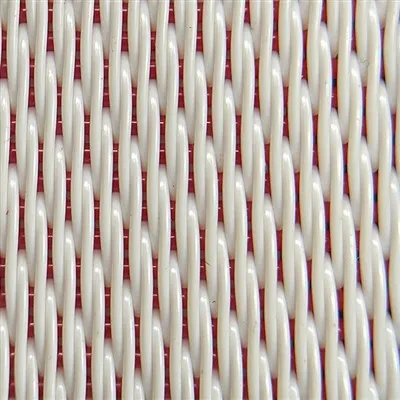
Hey there! I'm a supplier of Single Layer Forming Fabrics, and today I want to chat about something that might not be on everyone's radar but is super important: the impact of fabric color on single layer forming fabrics' performance.
First off, let's understand what single layer forming fabrics are. These are essential components in various industries, especially in the paper - making and non - woven fabric manufacturing. They play a crucial role in the forming process, helping to shape and structure the end product. You can check out our Single Layer Forming Fabrics on our website to get a better idea of what we're talking about.
Now, onto the color part. You might be thinking, "Color? Really? How can that affect performance?" Well, it turns out that color can have some pretty significant impacts, and here's how.
1. Heat Absorption and Dissipation
One of the most obvious effects of fabric color is its interaction with heat. Dark - colored fabrics, like black or dark blue, tend to absorb more light and convert it into heat compared to light - colored fabrics such as white or light gray. In industrial settings where single layer forming fabrics are used, this heat absorption can be a double - edged sword.
On one hand, in some processes where a bit of extra heat can be beneficial, like in the drying stage of paper - making, a darker - colored fabric might help speed up the process. The absorbed heat can contribute to the evaporation of moisture from the paper pulp, potentially increasing production efficiency. However, if the heat absorption is too excessive, it can lead to problems. Overheating can cause the fabric to expand, which might affect its dimensional stability. This could result in uneven forming of the product, leading to quality issues.
On the other hand, light - colored fabrics reflect more light and absorb less heat. This can be an advantage in processes where maintaining a stable temperature is crucial. For example, in some non - woven fabric manufacturing processes where certain polymers need to be kept at a specific temperature range, a light - colored Forming Belt For Nonwoven Fabrics can help prevent overheating and ensure consistent product quality.
2. Visibility and Inspection
Color also plays a role in the visibility of the fabric during the production process. A brightly colored fabric is much easier to see, especially in a busy industrial environment. This can be extremely helpful for operators when it comes to inspecting the fabric for damage or wear. For instance, if a white or yellow single layer forming fabric has a tear or a defect, it will stand out clearly against the background, allowing for quick detection and repair.
In contrast, a dark - colored fabric might hide small defects, making them more difficult to spot. This could potentially lead to the fabric being used for longer than it should be, increasing the risk of product quality issues or even machine breakdowns. So, from an inspection and maintenance perspective, the color of the fabric can have a direct impact on the overall efficiency and reliability of the production process.
3. Chemical Resistance and Compatibility
Believe it or not, the color of a fabric can also be related to its chemical resistance and compatibility. Some dyes used to color fabrics can react with certain chemicals present in the production environment. For example, in the paper - making industry, there are various chemicals used in the pulp treatment process, such as acids, alkalis, and bleaching agents.
If a fabric is dyed with a colorant that is not chemically resistant to these substances, it can lead to color fading, degradation of the fabric structure, or even the release of harmful by - products. In some cases, the reaction between the dye and the chemicals can also affect the performance of the fabric. For example, it might reduce the fabric's strength or change its surface properties, which can impact the forming process.
On the other hand, if the fabric is colored with a chemically stable dye, it can maintain its performance and appearance even in harsh chemical environments. So, when choosing a colored single layer forming fabric, it's important to consider its chemical compatibility with the substances it will come into contact with.
4. Static Electricity Generation
Another aspect affected by fabric color is static electricity generation. Different colors can have different electrical properties due to the nature of the dyes and the fabric materials. Dark - colored fabrics, especially those with certain types of dyes, might be more prone to generating static electricity compared to light - colored ones.
In industrial settings, static electricity can be a real nuisance. It can attract dust and debris, which can contaminate the product being formed. It can also cause problems with the handling of the fabric, such as sticking to machinery parts or causing difficulties in the feeding process. So, if static electricity is a concern in your production process, the color of the single layer forming fabric should be taken into account.
5. Aesthetic and Marketing Considerations
While not directly related to the technical performance of the fabric, the color of single layer forming fabrics can also have an impact on the overall aesthetic and marketing of the end product. In some cases, the color of the forming fabric can influence the color and appearance of the final product. For example, in the production of some specialty papers or non - woven fabrics, a colored forming fabric might impart a subtle tint or texture to the end product, which can be a unique selling point.
Customers might also have preferences for certain colors based on their brand identity or market trends. So, from a marketing perspective, offering a range of colored Polyester Forming Screen Forming Fabric can give you an edge in the market.
In conclusion, the color of single layer forming fabrics can have a wide range of impacts on their performance, from heat management and visibility to chemical resistance and static electricity generation. As a supplier, we understand the importance of these factors and offer a variety of colored fabrics to meet the diverse needs of our customers.


If you're in the market for single layer forming fabrics and want to learn more about how color can affect your production process, or if you have specific requirements for your application, don't hesitate to reach out. We're here to help you make the best choice for your business and ensure optimal performance of your forming fabrics.
References
- "Handbook of Industrial Textiles"
- "Advances in Paper - Making Technology"
- "Non - woven Fabric Manufacturing Processes: Principles and Practice"