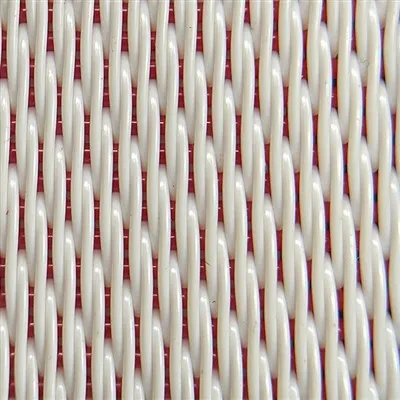
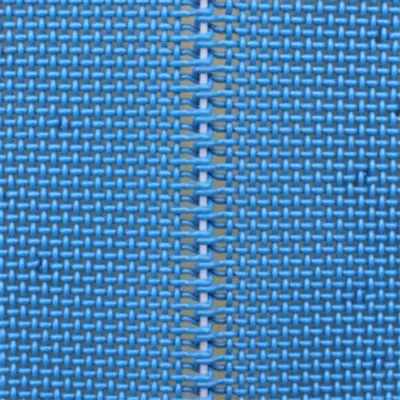
As a supplier of single layer forming fabrics, I've seen firsthand how the fabric weave pattern can have a huge impact on the performance of these products. In this blog post, I'm going to share some insights into what the influence of fabric weave pattern is on single layer forming fabrics' performance.
Understanding Single Layer Forming Fabrics
Before we dive into the influence of weave patterns, let's quickly go over what single layer forming fabrics are. These fabrics are a key component in the papermaking process. They're used on paper machines to form the paper web, and their performance can greatly affect the quality of the final paper product. Single layer forming fabrics are known for their simplicity and cost - effectiveness, but their performance can vary widely depending on the weave pattern.
Different Weave Patterns and Their Effects
Plain Weave
The plain weave is one of the most basic and commonly used weave patterns. In a plain weave, the warp and weft yarns cross each other alternately, creating a simple, checker - board - like pattern. This pattern offers good stability and uniform surface properties.
One of the main advantages of a plain weave in single layer forming fabrics is its high strength. The interlacing of the yarns provides a strong structure that can withstand the mechanical stresses during the papermaking process. This means that the fabric is less likely to break or tear, which is crucial for maintaining a continuous papermaking operation.
However, plain weave fabrics may have some limitations. They tend to have a relatively low porosity compared to some other weave patterns. This can affect the drainage rate of the paper web. If the drainage is too slow, it can lead to longer drying times and lower production efficiency. For more information on related products, you can check out Paper Machine Forming Wires.
Twill Weave
Twill weave is another popular option for single layer forming fabrics. In a twill weave, the weft yarns pass over and under multiple warp yarns in a diagonal pattern. This creates a slanted texture on the fabric surface.
Twill weave fabrics offer better drainage compared to plain weave fabrics. The diagonal pattern allows for larger open spaces between the yarns, which helps water to drain more quickly from the paper web. This can significantly improve the production speed of the paper machine.
Moreover, twill weave fabrics are more flexible than plain weave fabrics. This flexibility can be beneficial in applications where the fabric needs to conform to the shape of the paper machine components. However, twill weave fabrics may be less stable than plain weave fabrics, and they can be more prone to snagging and abrasion.
Satin Weave
Satin weave is characterized by a smooth and shiny surface. In a satin weave, the weft yarns float over multiple warp yarns, creating a long, continuous surface.
One of the main advantages of satin weave in single layer forming fabrics is its excellent surface smoothness. This smooth surface can transfer a high - quality finish to the paper web, resulting in a paper product with a better appearance.
However, satin weave fabrics have relatively low strength compared to plain and twill weave fabrics. The long floats in the weave pattern make the fabric more susceptible to damage. Also, the low porosity of satin weave fabrics can limit their drainage capabilities. If you're interested in more advanced forming fabrics, Two And A Half Layer Papermaking Forming Wire might be a good option to explore.
Impact on Paper Quality
The weave pattern of single layer forming fabrics can have a direct impact on the quality of the paper produced. For example, a fabric with a high - porosity weave pattern, like a twill weave, can lead to better drainage, which in turn can result in a more uniform paper web. A more uniform paper web means better paper strength, printability, and overall quality.
On the other hand, a fabric with a smooth surface, such as a satin weave, can improve the surface smoothness of the paper. This is especially important for papers that are used for high - end printing applications, where a smooth surface is required for sharp and clear printing.
Impact on Machine Performance
The performance of the paper machine is also affected by the fabric weave pattern. Fabrics with good drainage properties, like twill weave fabrics, can increase the production speed of the paper machine. This is because faster drainage allows the paper web to dry more quickly, reducing the time required for the drying process.
In addition, the stability of the fabric is crucial for the smooth operation of the paper machine. A fabric with a stable weave pattern, like a plain weave, can reduce the risk of machine downtime due to fabric breakage or misalignment. For more in - depth knowledge about forming fabrics in the context of paper machine clothing, check out Forming Fabrics Of Paper Machine Clothing (PMC).
Choosing the Right Weave Pattern
When choosing a single layer forming fabric, it's important to consider the specific requirements of your papermaking process. If you need a fabric with high strength and stability, a plain weave might be the best choice. If drainage is a major concern, a twill weave could be more suitable. And if you're looking for a fabric that can provide a smooth finish to the paper, a satin weave might be the way to go.


Let's Connect
As a supplier of single layer forming fabrics, I'm here to help you make the right choice for your papermaking needs. Whether you're looking to improve paper quality, increase machine performance, or reduce costs, I can offer you the expertise and products to meet your requirements. If you're interested in learning more or discussing your specific needs, don't hesitate to reach out. Let's start a conversation and see how we can work together to optimize your papermaking process.
References
- Smith, J. (2018). "The Role of Weave Patterns in Papermaking Fabrics". Journal of Paper Science.
- Johnson, R. (2019). "Influence of Fabric Structure on Paper Machine Performance". Paper Industry Review.
- Brown, A. (2020). "Weave Patterns and Their Impact on Paper Quality". International Journal of Papermaking Technology.