Hey there! As a supplier of polyester wire mesh belts, I've had my fair share of customers asking about how to measure the quality of these belts. It's a crucial question, especially when you're looking to invest in a product that's going to serve you well in the long run. So, let's dive right in and explore the key factors that can help you gauge the quality of polyester wire mesh belts.
Material Quality
The first thing you gotta look at is the material itself. Polyester is a synthetic polymer, and not all polyesters are created equal. High - quality polyester for wire mesh belts should have good chemical resistance. This means it can withstand exposure to various chemicals without degrading quickly. For instance, in industries like food processing, the belts might come into contact with cleaning agents or food acids. A belt made from a polyester with poor chemical resistance will start to break down, which can lead to contamination and a shorter lifespan.
Another aspect of material quality is the strength of the polyester fibers. Strong fibers are less likely to break under tension. When a belt is in operation, it's constantly being pulled and stretched. If the fibers are weak, they'll snap easily, causing the belt to fail. You can ask the supplier about the tensile strength of the polyester used in the belt. A higher tensile strength generally indicates a better - quality belt.
Weaving Pattern
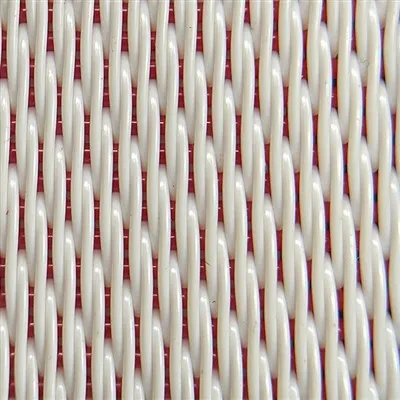
The weaving pattern of the polyester wire mesh belt plays a huge role in its quality. There are different types of weaving patterns, such as plain weave, twill weave, and Dutch weave. Each pattern has its own advantages and is suitable for different applications.
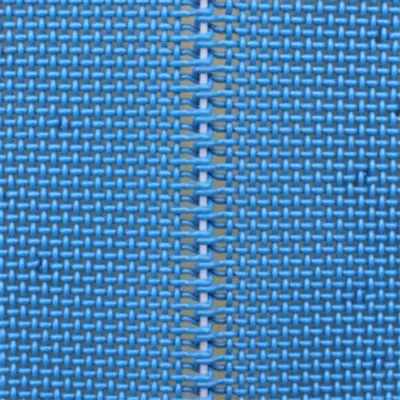
The Polyester Plain Woven Mesh is a common choice. It has a simple and regular pattern where the warp and weft threads cross over each other alternately. This pattern provides good stability and even distribution of stress across the belt. It's great for applications where a flat surface is required, like in some conveyor systems.
On the other hand, a twill weave pattern gives the belt more flexibility. The diagonal pattern allows the belt to bend more easily, which can be useful in applications where the belt needs to go around curves or pulleys. Dutch weave, meanwhile, is known for its high filtration efficiency. It's often used in filtration applications, such as in the Woven Wire Dry Polyester Mesh Filter Belt.
Mesh Size
Mesh size refers to the number of openings per linear inch in the wire mesh belt. It's an important factor, especially if the belt is being used for filtration or separation purposes. A smaller mesh size means there are more openings per inch, which can result in a finer filtration. For example, in the food industry, a belt with a small mesh size can be used to separate small particles from liquids.
However, a very small mesh size can also cause problems. It can restrict the flow of materials through the belt, which might slow down the production process. So, you need to choose the right mesh size based on your specific application. If you're not sure, you can always consult with the supplier. They can help you determine the most suitable mesh size for your needs.
Surface Finish
The surface finish of the polyester wire mesh belt can affect its performance and durability. A smooth surface finish is generally better as it reduces friction. When a belt has a rough surface, it can cause more wear and tear on the pulleys and other components it comes into contact with. This can lead to increased maintenance costs and a shorter lifespan for the entire system.
A smooth surface also makes it easier to clean the belt. In industries like food processing, cleanliness is of utmost importance. A belt with a smooth finish can be cleaned more effectively, reducing the risk of contamination. You can ask the supplier about the surface treatment used on the belt to ensure it has a smooth and cleanable finish.
Belt Thickness
Belt thickness is another key parameter. A thicker belt is generally stronger and more durable. It can withstand higher loads and is less likely to get damaged during operation. However, a thicker belt might also be heavier and more rigid, which can be a drawback in some applications.
For example, in applications where the belt needs to be flexible, a thinner belt might be a better choice. You need to strike a balance between strength and flexibility based on your specific requirements. The supplier can provide you with information on the different thickness options available and help you choose the right one.
Joint Quality
The joints in a polyester wire mesh belt are critical points. A poor - quality joint can be a weak link in the belt, leading to premature failure. There are different methods of joining the ends of the belt, such as welding, gluing, or using mechanical fasteners.
Welding can provide a strong and seamless joint. It creates a continuous belt that is less likely to come apart. However, the quality of the weld is crucial. A poorly welded joint can have weak spots that can break under stress. Gluing is another option, but it might not be as strong as welding, especially in high - stress applications. Mechanical fasteners are easy to install, but they can also create points of stress concentration if not installed correctly.
Testing and Certification
A reliable supplier should be able to provide you with test results and certifications for their polyester wire mesh belts. These tests can include tensile strength tests, chemical resistance tests, and filtration efficiency tests. Certifications from recognized organizations can give you peace of mind that the belt meets certain quality standards.


For example, in the food industry, belts need to meet certain hygiene standards. A belt with a certification indicating that it complies with food - grade requirements is a safer choice. You should always ask the supplier for these test results and certifications before making a purchase.
Long - Term Performance
Finally, to really measure the quality of a polyester wire mesh belt, you need to consider its long - term performance. A high - quality belt should have a long lifespan with minimal maintenance. You can ask the supplier for case studies or customer testimonials about the long - term performance of their belts.
Look for feedback on how the belt has held up over time in similar applications. If a belt has a good track record of long - term performance, it's a good indication that it's a high - quality product.
In conclusion, measuring the quality of polyester wire mesh belts involves looking at multiple factors, including material quality, weaving pattern, mesh size, surface finish, belt thickness, joint quality, testing and certification, and long - term performance. As a supplier, I'm always here to help you understand these factors and choose the best belt for your needs.
If you're in the market for a Polyester Plain Woven Mesh Belt For Food Industrial or any other type of polyester wire mesh belt, don't hesitate to reach out. We can have a detailed discussion about your requirements and help you make an informed decision. Whether you're in the food industry, filtration industry, or any other sector that uses these belts, we're here to provide you with high - quality products and excellent service. Let's start a conversation and see how we can meet your needs!
References
- ASTM International Standards on Synthetic Polymer Materials
- Industry reports on the performance of polyester wire mesh belts in different applications
- Manufacturer's technical documentation on polyester wire mesh belts