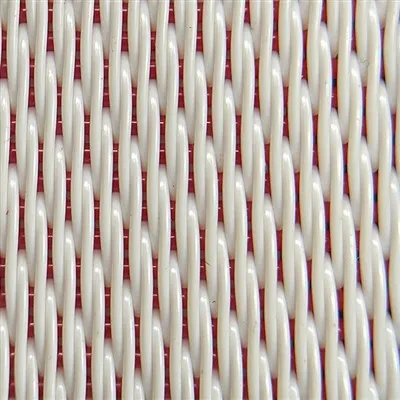
Polyester wire mesh belts are widely used in various industries due to their excellent properties such as high strength, corrosion resistance, and good filtration performance. As a supplier of polyester wire mesh belts, I understand the importance of preventing their damage to ensure long - term and efficient operation for our customers. In this blog, I will share some practical methods on how to prevent the damage of polyester wire mesh belts.
1. Proper Installation
The first step in preventing damage to polyester wire mesh belts is proper installation. Incorrect installation can lead to uneven tension, which may cause premature wear and tear or even breakage of the belt.
- Align the Belt Correctly: When installing the polyester wire mesh belt, it is crucial to ensure that it is properly aligned on the pulleys. Misalignment can cause the belt to rub against the edges of the pulleys, leading to abrasion. Use alignment tools to check and adjust the position of the belt regularly during the installation process. For example, a laser alignment tool can provide accurate readings to ensure the belt runs straight.
- Tension Adjustment: Appropriate tension is essential for the normal operation of the belt. If the tension is too high, it can put excessive stress on the belt and cause it to break. On the other hand, if the tension is too low, the belt may slip, resulting in inefficient operation. Refer to the manufacturer's guidelines to determine the correct tension for your specific polyester wire mesh belt. You can use tension gauges to measure and adjust the tension accurately.
2. Regular Cleaning
Regular cleaning is an effective way to prevent damage to polyester wire mesh belts. Accumulated dirt, debris, and chemicals can not only reduce the belt's performance but also cause corrosion and abrasion over time.
- Cleaning Frequency: The cleaning frequency depends on the operating environment and the nature of the materials transported. In a relatively clean environment, cleaning once a week may be sufficient. However, in a dirty or corrosive environment, daily cleaning may be required.
- Cleaning Methods: Use appropriate cleaning agents and tools. For general dirt and debris, water and a mild detergent can be used. Gently scrub the belt with a soft brush to remove the contaminants. Avoid using abrasive cleaners or hard brushes, as they can damage the surface of the belt. If the belt is contaminated with chemicals, use a cleaning agent that is compatible with the polyester material. For example, if the belt is exposed to oil, an oil - dissolving cleaner can be used. After cleaning, rinse the belt thoroughly with clean water to remove any remaining cleaning agents.
3. Avoid Overloading
Overloading is one of the main causes of damage to polyester wire mesh belts. Exceeding the belt's load - carrying capacity can lead to stretching, breakage, and reduced service life.
- Understand the Load Capacity: Before using the belt, carefully review the manufacturer's specifications to determine its maximum load - carrying capacity. Consider not only the weight of the materials being transported but also any additional forces such as acceleration and deceleration.
- Monitor the Load: During operation, monitor the load on the belt continuously. Use load sensors to measure the weight of the materials on the belt. If the load approaches or exceeds the maximum capacity, take immediate measures to reduce the load. For example, adjust the feeding rate or redistribute the materials.
4. Temperature and Chemical Resistance
Polyester wire mesh belts have certain limitations in terms of temperature and chemical resistance. Exposure to extreme temperatures or corrosive chemicals can cause significant damage to the belt.
- Temperature Control: Keep the operating temperature within the recommended range for the polyester wire mesh belt. High temperatures can cause the polyester material to soften and lose its strength, while low temperatures can make the belt brittle. If the operating environment has high temperatures, use cooling systems such as fans or water - cooling devices to maintain a suitable temperature. In cold environments, insulation or heating systems may be required.
- Chemical Compatibility: Be aware of the chemicals that the belt may come into contact with. Some chemicals can react with polyester and cause degradation. Before using the belt in a chemical - containing environment, check the chemical compatibility list provided by the manufacturer. If necessary, choose a belt with enhanced chemical resistance or use protective coatings to prevent chemical damage.
5. Regular Inspection
Regular inspection is crucial for detecting potential problems early and preventing further damage to the polyester wire mesh belt.
- Visual Inspection: Conduct a visual inspection of the belt regularly. Look for signs of wear, such as fraying, thinning, or holes. Check the joints and connections to ensure they are secure. Any loose or damaged parts should be repaired or replaced immediately.
- Functional Inspection: In addition to visual inspection, perform functional tests on the belt. Check if the belt runs smoothly without any abnormal noises or vibrations. Monitor the belt's speed and efficiency to ensure it is operating within the normal range.
6. Protection from Abrasion
Abrasion can cause significant damage to polyester wire mesh belts, especially when the belt comes into contact with rough or sharp objects.
- Use Guide Rails and Rollers: Install guide rails and rollers along the belt's path to reduce friction and prevent the belt from rubbing against other components. Make sure the guide rails and rollers are smooth and properly aligned to avoid abrasion.
- Protect Against Sharp Objects: Remove any sharp objects from the operating area to prevent them from cutting or puncturing the belt. If it is unavoidable to have sharp objects in the vicinity, use protective covers or guards to shield the belt.
7. Training for Operators
Proper training for operators is essential to prevent damage to polyester wire mesh belts. Operators should be familiar with the correct operation and maintenance procedures of the belt.
- Operation Training: Train operators on how to start, stop, and adjust the speed of the belt correctly. Teach them to avoid sudden starts and stops, as these can cause excessive stress on the belt.
- Maintenance Training: Provide operators with training on regular cleaning, inspection, and maintenance procedures. Make sure they understand the importance of following the manufacturer's guidelines and can identify potential problems early.
8. Storage
Proper storage is also important to prevent damage to polyester wire mesh belts when they are not in use.
- Storage Environment: Store the belts in a clean, dry, and cool place. Avoid storing them in direct sunlight or in areas with high humidity, as these conditions can cause the belt to deteriorate.
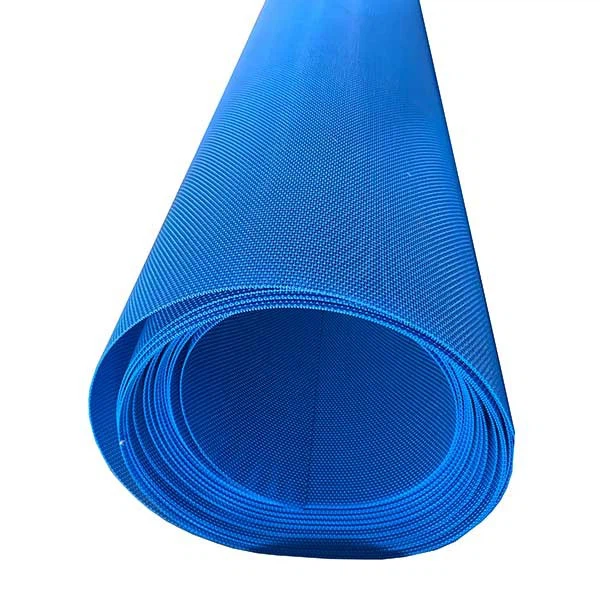
- Storage Method: Roll the belts carefully and store them on racks or in containers to prevent them from being bent or deformed. Make sure the belts are not in contact with sharp objects or chemicals during storage.
As a supplier of polyester wire mesh belts, we offer a wide range of products, including the Woven Wire Dry Polyester Mesh Filter Belt, Polyester Mesh Conveyor Belt Plain Weave, and Polyester Mesh Conveyor Belt. If you have any questions about preventing the damage of polyester wire mesh belts or are interested in purchasing our products, please feel free to contact us for further discussion. We are committed to providing high - quality products and professional solutions to meet your needs.

References
- Manufacturer's manuals of polyester wire mesh belts
- Industry standards and guidelines for conveyor belt operation and maintenance