When it comes to industrial applications, selecting the appropriate mesh size of a Polyester Plain Woven Mesh Belt is crucial for ensuring optimal performance and efficiency. As a trusted supplier of Polyester Plain Woven Mesh Belts, I understand the significance of making the right choice for different applications. In this blog post, I will share some insights on how to select the appropriate mesh size for various scenarios.
Understanding the Basics of Polyester Plain Woven Mesh Belts
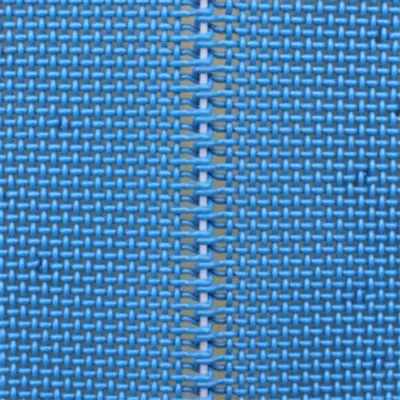
Polyester Plain Woven Mesh Belts are widely used in a variety of industries due to their excellent properties such as high strength, chemical resistance, and good flexibility. They are made by weaving polyester fibers in a plain weave pattern, which results in a uniform and stable mesh structure. The mesh size of a Polyester Plain Woven Mesh Belt refers to the number of openings per linear inch or centimeter, and it plays a vital role in determining the belt's performance characteristics.
Factors to Consider When Selecting Mesh Size
Application Requirements
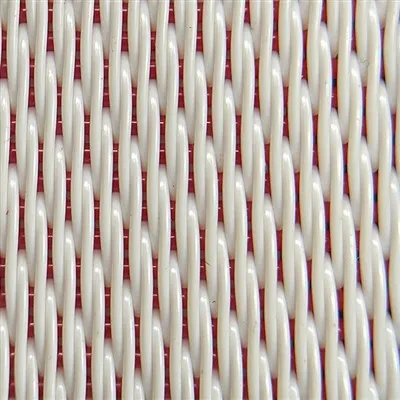
The first step in selecting the appropriate mesh size is to understand the specific requirements of your application. Different applications have different needs in terms of material handling, filtration, or conveyance. For example, in a Paper Machine Plain Fabric application, a finer mesh size may be required to ensure proper dewatering and paper formation. On the other hand, in a Polyester Mesh Conveyor Belt application for transporting larger items, a coarser mesh size may be more suitable to provide better support and prevent material from falling through.
Material Characteristics
The characteristics of the material being handled also play a significant role in determining the mesh size. If the material is fine and powdery, a finer mesh size will be needed to prevent it from passing through the belt. Conversely, if the material is large and bulky, a coarser mesh size can be used to allow for easy passage and prevent clogging. Additionally, the chemical properties of the material, such as its abrasiveness and corrosiveness, should also be considered when selecting the mesh size.
Operating Conditions
The operating conditions of the application, including temperature, humidity, and speed, can also affect the choice of mesh size. In high-temperature environments, a mesh size that can withstand the heat without losing its strength and integrity should be selected. Similarly, in humid conditions, a mesh size that is resistant to moisture and corrosion is essential. The speed of the conveyor system also needs to be taken into account, as a finer mesh size may cause more resistance and reduce the efficiency of the system at high speeds.


Common Mesh Sizes and Their Applications
Fine Mesh Sizes (e.g., 100 - 300 mesh)
Fine mesh sizes are typically used in applications where precise filtration or separation is required. For example, in the pharmaceutical and food industries, fine mesh belts are used to filter out small particles and impurities from liquids or powders. In the electronics industry, fine mesh belts are used for precision screening and sorting of small components.
Medium Mesh Sizes (e.g., 30 - 100 mesh)
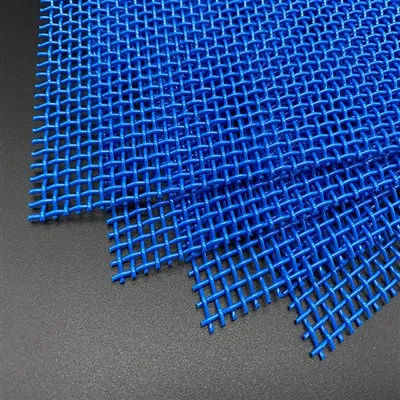
Medium mesh sizes are suitable for a wide range of applications, including material handling, conveyor systems, and general filtration. They can provide a good balance between filtration efficiency and material flow. For instance, in a Polyester Wire Mesh Belts application for conveying small to medium-sized items, a medium mesh size can ensure proper support and prevent material from getting stuck.
Coarse Mesh Sizes (e.g., 10 - 30 mesh)
Coarse mesh sizes are commonly used in applications where large particles need to be conveyed or separated. In the mining and construction industries, coarse mesh belts are used to transport rocks, gravel, and other large materials. They can also be used in agricultural applications for sorting and grading crops.
Tips for Selecting the Right Mesh Size
Consult with an Expert
If you are unsure about which mesh size is most suitable for your application, it is advisable to consult with an expert in the field. As a Polyester Plain Woven Mesh Belt supplier, I have extensive experience and knowledge in this area and can provide you with professional advice based on your specific requirements.
Conduct Tests
Before making a final decision, it is recommended to conduct tests with different mesh sizes to evaluate their performance in your application. This can help you determine the most appropriate mesh size that meets your needs in terms of filtration efficiency, material handling, and overall system performance.
Consider Future Expansion
When selecting the mesh size, it is also important to consider future expansion or changes in your application. Choosing a mesh size that allows for some flexibility and can accommodate potential changes in the material being handled or the operating conditions can save you time and money in the long run.
Conclusion
Selecting the appropriate mesh size of a Polyester Plain Woven Mesh Belt is a critical decision that can significantly impact the performance and efficiency of your application. By considering the application requirements, material characteristics, and operating conditions, you can make an informed choice and ensure that the belt meets your specific needs. As a reliable Polyester Plain Woven Mesh Belt supplier, I am committed to providing high-quality products and professional services to help you find the perfect mesh size for your application. If you have any questions or need further assistance, please feel free to contact us for a consultation. We look forward to working with you to meet your industrial needs.
References
- Textile Institute. (2023). Handbook of Textile Technology. Woodhead Publishing.
- ASTM International. (2023). Standard Test Methods for Woven Fabrics. ASTM International.