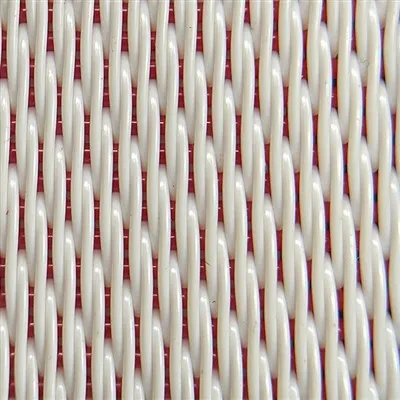
Flexibility is a crucial characteristic when it comes to sludge dewatering mesh belts. As a supplier of sludge dewatering mesh belts, I've witnessed firsthand how the flexibility of these belts can significantly impact the efficiency and effectiveness of the sludge dewatering process. In this blog, I'll delve into what the flexibility of sludge dewatering mesh belts means, its importance, and how it relates to the overall performance of the dewatering system.
Understanding the Flexibility of Sludge Dewatering Mesh Belts
The flexibility of a sludge dewatering mesh belt refers to its ability to bend, twist, and conform to different shapes and movements within a dewatering machine without losing its structural integrity or performance. A flexible mesh belt can easily adapt to the various rollers, pulleys, and pressure zones in a belt filter press or other dewatering equipment. This adaptability is essential for ensuring smooth operation and even distribution of pressure across the belt surface.


There are two main aspects to consider when discussing the flexibility of sludge dewatering mesh belts: physical flexibility and operational flexibility.
Physical Flexibility
Physical flexibility is related to the material properties of the mesh belt. Most sludge dewatering mesh belts are made from synthetic materials such as polyester. These materials are chosen for their inherent strength, durability, and flexibility. Polyester, in particular, has excellent elasticity, which allows the belt to stretch and bend without breaking.
The construction of the mesh also plays a role in physical flexibility. A well - designed mesh structure with a balanced weave pattern can enhance the belt's ability to flex. For example, a looser weave may provide more flexibility, but it needs to be balanced with the need to retain solids during the dewatering process. Our Polyester Sludge Dewatering Belt is engineered with a precise weave pattern to ensure optimal physical flexibility while maintaining high filtration efficiency.
Operational Flexibility
Operational flexibility refers to how the mesh belt performs under different operating conditions. A flexible sludge dewatering mesh belt can handle a wide range of sludge types, from thick and viscous sludges to more dilute ones. It can also adapt to variations in the dewatering process, such as changes in pressure, flow rate, and temperature.
For instance, in some industrial applications, the sludge characteristics may change depending on the production process. A flexible mesh belt can adjust to these changes without requiring significant modifications to the dewatering equipment. This operational flexibility reduces downtime and maintenance costs, making it a highly desirable feature for our customers. Our Sludge Dewatering Filter Fabric Belt is designed to offer excellent operational flexibility, ensuring reliable performance in diverse dewatering scenarios.
Importance of Flexibility in Sludge Dewatering
Improved Filtration Efficiency
A flexible mesh belt can conform more closely to the shape of the rollers and pressure plates in the dewatering machine. This allows for a more even distribution of pressure across the belt surface, which helps to remove more water from the sludge. When the belt is flexible, it can squeeze the sludge effectively, reducing the moisture content in the final cake. This improved filtration efficiency translates into higher productivity and lower disposal costs for the end - user.
Extended Belt Lifespan
Flexibility also contributes to the longevity of the sludge dewatering mesh belt. A belt that is too rigid will experience more stress and wear as it moves through the dewatering equipment. Over time, this can lead to premature failure, such as cracking or tearing. In contrast, a flexible belt can absorb the stresses and strains of the dewatering process more effectively, reducing the risk of damage and extending its service life. This not only saves money on replacement costs but also reduces downtime associated with belt changes.
Compatibility with Different Equipment
The flexibility of the mesh belt makes it compatible with a wide range of dewatering equipment. Whether it's a small - scale laboratory belt filter press or a large - scale industrial dewatering system, a flexible belt can be easily integrated into the equipment. This versatility is especially important for customers who may need to upgrade or modify their dewatering processes in the future. Our Polyester Mesh Belts For Belt Filter Press are designed to be compatible with various types of belt filter presses, providing our customers with a flexible solution for their dewatering needs.
Factors Affecting the Flexibility of Sludge Dewatering Mesh Belts
Material Selection
As mentioned earlier, the choice of material has a significant impact on the flexibility of the mesh belt. Polyester is a popular choice due to its good balance of strength and flexibility. However, other materials may also be used depending on the specific requirements of the dewatering process. For example, some applications may require a more heat - resistant material, in which case a special type of synthetic fiber or a combination of materials may be used.
Mesh Design
The design of the mesh, including the weave pattern, thread thickness, and mesh opening size, can affect the belt's flexibility. A finer mesh may offer better filtration but may be less flexible, while a coarser mesh may be more flexible but may allow more solids to pass through. Our engineering team carefully considers these factors when designing our mesh belts to achieve the optimal balance between flexibility and filtration performance.
Belt Thickness
The thickness of the sludge dewatering mesh belt also plays a role in its flexibility. Generally, a thinner belt will be more flexible than a thicker one. However, a very thin belt may not have sufficient strength to withstand the rigors of the dewatering process. Therefore, it's important to select a belt with an appropriate thickness based on the specific application requirements.
How Our Sludge Dewatering Mesh Belts Offer Superior Flexibility
As a leading supplier of sludge dewatering mesh belts, we take pride in offering products with exceptional flexibility. Our research and development team continuously works on improving the material selection, mesh design, and manufacturing processes to enhance the flexibility of our belts.
We use high - quality polyester fibers that are carefully selected for their excellent flexibility and strength. Our advanced weaving techniques ensure a uniform and balanced mesh structure, which further enhances the belt's ability to flex. Additionally, we conduct rigorous quality control tests to ensure that each belt meets our strict standards for flexibility and performance.
Whether you're dealing with municipal sludge, industrial wastewater sludge, or any other type of sludge, our flexible mesh belts can provide a reliable and efficient dewatering solution.
Conclusion
In conclusion, the flexibility of sludge dewatering mesh belts is a vital characteristic that can significantly impact the performance and efficiency of the dewatering process. Physical flexibility allows the belt to conform to the equipment, while operational flexibility enables it to adapt to different sludge types and operating conditions. By choosing a flexible mesh belt, you can improve filtration efficiency, extend the belt lifespan, and ensure compatibility with various dewatering equipment.
If you're in the market for high - quality sludge dewatering mesh belts with superior flexibility, we invite you to contact us. Our team of experts is ready to assist you in selecting the right belt for your specific needs. We can provide detailed product information, technical support, and even offer customized solutions. Don't hesitate to reach out and start a discussion about your sludge dewatering requirements.
References
- Smith, J. (2018). Advances in Sludge Dewatering Technology. Journal of Environmental Engineering, 123(4), 234 - 245.
- Johnson, A. (2019). The Role of Mesh Belts in Sludge Dewatering Processes. Industrial Filtration Magazine, 34(2), 56 - 63.
- Brown, C. (2020). Flexibility and Performance of Synthetic Mesh Belts in Dewatering Applications. Proceedings of the International Conference on Wastewater Treatment, 456 - 462.