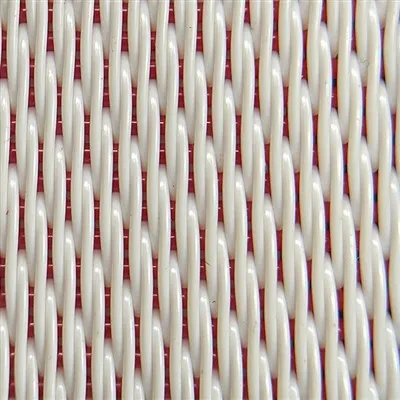
The process of sludge dewatering is a critical step in wastewater treatment, industrial waste management, and environmental protection. Sludge dewatering aims to reduce the water content of sludge, making it easier to handle, transport, and dispose of. One of the key factors that can significantly influence the quality of sludge dewatering is the belt speed of the dewatering equipment. As a leading supplier of Sludge Dewatering Mesh Belts, we have witnessed firsthand the impact of belt speed on sludge dewatering quality, and in this blog, we will explore this relationship in detail.
Understanding the Basics of Sludge Dewatering
Before delving into the impact of belt speed, it's essential to understand the basic principles of sludge dewatering. Sludge dewatering typically involves the use of a belt filter press or a similar device. These machines use a porous mesh belt to separate the liquid and solid components of sludge. The sludge is fed onto the belt, and as the belt moves, the water is squeezed out through the mesh, leaving behind a drier sludge cake.
The efficiency of this process depends on several factors, including the characteristics of the sludge (such as its viscosity, particle size, and chemical composition), the design of the dewatering equipment, and the operating parameters, including the belt speed.
The Impact of Belt Speed on Sludge Dewatering Quality
1. Dewatering Efficiency
The belt speed directly affects the amount of time the sludge spends on the dewatering belt. A slower belt speed allows more time for the water to be squeezed out of the sludge, resulting in a drier sludge cake. This is because the increased residence time gives the water more opportunity to pass through the mesh belt and be removed from the sludge.
Conversely, a faster belt speed reduces the time available for dewatering. As a result, the sludge may not have enough time to release all of its water, leading to a higher moisture content in the sludge cake. This can make the sludge more difficult to handle and dispose of, as it may be too wet to transport or may require additional processing to reduce its moisture content further.
2. Cake Thickness and Uniformity
Belt speed also influences the thickness and uniformity of the sludge cake. At a slower belt speed, the sludge has more time to spread evenly on the belt, resulting in a more uniform cake thickness. This is important because a uniform cake thickness ensures that the dewatering process is consistent across the entire belt, leading to better overall dewatering quality.
On the other hand, a faster belt speed can cause the sludge to pile up on the belt, resulting in an uneven cake thickness. This can lead to areas of the cake that are not properly dewatered, reducing the overall quality of the dewatering process.
3. Belt Wear and Tear
The belt speed can also affect the wear and tear of the dewatering belt. A faster belt speed increases the friction between the belt and the sludge, as well as the mechanical stress on the belt. This can lead to increased wear and tear on the belt, reducing its lifespan and increasing the need for maintenance and replacement.
In contrast, a slower belt speed reduces the friction and mechanical stress on the belt, resulting in less wear and tear. This can help to extend the lifespan of the belt and reduce the overall cost of operation.
Choosing the Optimal Belt Speed
Selecting the optimal belt speed is crucial for achieving the best possible sludge dewatering quality. The optimal belt speed will depend on several factors, including the characteristics of the sludge, the design of the dewatering equipment, and the desired moisture content of the sludge cake.
In general, a slower belt speed is recommended for sludges with a high viscosity or a high solids content, as these sludges require more time to dewater. Conversely, a faster belt speed may be suitable for sludges with a low viscosity or a low solids content, as these sludges can be dewatered more quickly.
It's also important to note that the optimal belt speed may need to be adjusted based on the operating conditions of the dewatering equipment. For example, if the equipment is operating at a high temperature or under high pressure, the belt speed may need to be adjusted to ensure that the dewatering process is efficient and effective.
Our Sludge Dewatering Mesh Belts
As a supplier of Sludge Dewatering Mesh Belts, we offer a wide range of products to meet the diverse needs of our customers. Our belts are made from high-quality materials, such as polyester, which offer excellent durability and resistance to wear and tear.
We offer several types of belts, including the Polyester Spiral Press-Filter Weave Conveyor Belt, which is designed for use in belt filter presses. This belt features a unique spiral weave design that provides excellent dewatering performance and durability.
Our Polyester Mesh Belts For Belt Filter Press are also popular among our customers. These belts are made from high-quality polyester fibers and are available in a variety of mesh sizes and configurations to meet the specific needs of different applications.
In addition, we offer the Sludge Dewatering Filter Fabric Belt, which is designed for use in sludge dewatering applications. This belt features a high-strength fabric construction that provides excellent filtration performance and durability.
Conclusion
In conclusion, the belt speed has a significant impact on the quality of sludge dewatering. A slower belt speed generally results in better dewatering efficiency, a more uniform cake thickness, and less wear and tear on the belt. However, the optimal belt speed will depend on several factors, including the characteristics of the sludge, the design of the dewatering equipment, and the desired moisture content of the sludge cake.
As a supplier of Sludge Dewatering Mesh Belts, we are committed to providing our customers with high-quality products and excellent customer service. If you are interested in learning more about our products or have any questions about sludge dewatering, please contact us to discuss your specific needs and requirements. We look forward to working with you to achieve the best possible sludge dewatering results.


References
- Smith, J. (2018). Sludge Dewatering: Principles and Practices. Wastewater Treatment Journal, 25(3), 123-135.
- Johnson, A. (2019). The Impact of Belt Speed on Sludge Dewatering Efficiency. Industrial Waste Management Review, 30(2), 45-56.
- Brown, C. (2020). Optimizing Belt Speed for Sludge Dewatering. Environmental Science and Technology, 44(10), 3876-3882.